
Blog
Designer LED Chandelier: A Complete Buying Guide
Buying Guide
How to Choose a Designer LED Chandelier That Elevates Your Room
A designer LED chandelier is more than a light source; it’s a sculptural centerpiece that defines a room’s character. But with countless styles and specs, how do you pick the right one?
Why Choose a Designer LED Chandelier?
When you invest in a designer LED chandelier, you’re not just buying illumination. You’re selecting a piece of art that anchors your interior. Unlike standard fixtures, designer pieces often feature innovative materials, unique silhouettes, and advanced LED technology that offers both energy efficiency and longevity.
Moreover, the right chandelier can transform a mundane hallway or dining area into a conversation starter. It’s the jewelry of a room, drawing the eye upward and adding a layer of sophistication.
Benefits of LED Technology
- Energy efficiency: LEDs consume up to 75% less energy than incandescent bulbs.
- Long lifespan: Quality LEDs can last 25,000 hours or more.
- Design flexibility: LED modules can be integrated into slim, minimalist frames.
Understanding Different Styles of Designer LED Chandeliers
Designer LED chandeliers come in a myriad of styles, from futuristic minimalism to rustic industrial. The style you choose should complement your existing decor while making a statement.
Minimalist and Modern
Clean lines, geometric shapes, and a monochromatic palette define this style. A minimalist LED chandelier often features a sleek metal frame with integrated lighting, perfect for contemporary lofts and open-plan spaces.
Industrial and Rustic
Think exposed bulbs, wrought iron, and reclaimed wood. These chandeliers add warmth and an artisanal feel, ideal for farmhouse or industrial-themed interiors.
Art Deco and Glam
For a touch of luxury, consider crystal or brass accents. These chandeliers catch the light and create a sparkling ambiance, suited for formal dining rooms or grand entryways.
Materials and Craftsmanship: What to Look For
The material of your chandelier affects both its durability and its visual appeal. Common materials include iron, brass, aluminum, and wood. Each brings a different texture and weight.
Iron is sturdy and often used in industrial designs, while brass adds a classic, refined touch. Aluminum is lightweight and corrosion-resistant, ideal for minimalist designs. Wood introduces organic warmth, but ensure it’s properly sealed for longevity.
Craftsmanship is equally important. Look for clean welds, smooth finishes, and high-quality LED components. A well-crafted chandelier will not only look better but also last longer.
Sizing and Placement: Getting It Right
Size matters when it comes to chandeliers. Too small, and it gets lost; too large, and it overwhelms. A general rule: add the room’s dimensions in feet, and that sum in inches is the ideal diameter. For example, a 12×14 foot room suggests a chandelier about 26 inches in diameter.
Placement is crucial too. Hang a chandelier at least 7 feet above the floor, and for dining tables, leave 30-36 inches between the tabletop and the bottom of the fixture.
Ceiling Height Considerations
For vaulted ceilings, consider a chandelier with a longer drop or a multi-tier design. For low ceilings, flush or semi-flush mounts are safer options.
Lighting Quality: Color Temperature and Brightness
The quality of light affects the mood of a room. LEDs come in various color temperatures, measured in Kelvin (K). Lower Kelvin (2700K-3000K) gives a warm, cozy glow, while higher Kelvin (3500K-5000K) produces a cooler, more energizing light.
Brightness is measured in lumens. For ambient lighting, aim for 20 lumens per square foot. Dimmer compatibility is also a plus, allowing you to adjust the atmosphere to suit different occasions.
Energy Efficiency and Lifespan
LEDs are renowned for their efficiency, but not all are created equal. Check the lumens per watt (lm/W) ratio; higher is better. Also, look for the Energy Star label, which ensures the product meets strict efficiency guidelines.
Most quality LEDs have a lifespan of 15,000 to 50,000 hours. This means years of maintenance-free operation, saving you both money and hassle.
Installation and Maintenance Tips
Installation can be straightforward if you’re handy, but for complex fixtures, it’s best to hire a licensed electrician. Always turn off the power before starting and follow the manufacturer’s instructions.
Maintenance is minimal for LED chandeliers. Dust regularly with a soft, dry cloth. For deeper cleaning, use a gentle cleaner on metal parts, but avoid harsh chemicals that can damage finishes. Periodically check that all connections are secure.
Upgrading Existing Fixtures
If you’re replacing an old chandelier, note the wiring configuration and ceiling support. Some designer chandeliers are heavier, so you may need to reinforce the ceiling box.
Where to Find Inspiration and Expert Advice
When in doubt, look to interior design resources. Websites like Architectural Digest offer galleries of stunning interiors. Additionally, consulting with a lighting designer can provide personalized guidance.
Remember, the best chandelier for you is one that resonates with your taste and fits your space seamlessly. Take your time, compare options, and trust your instincts.
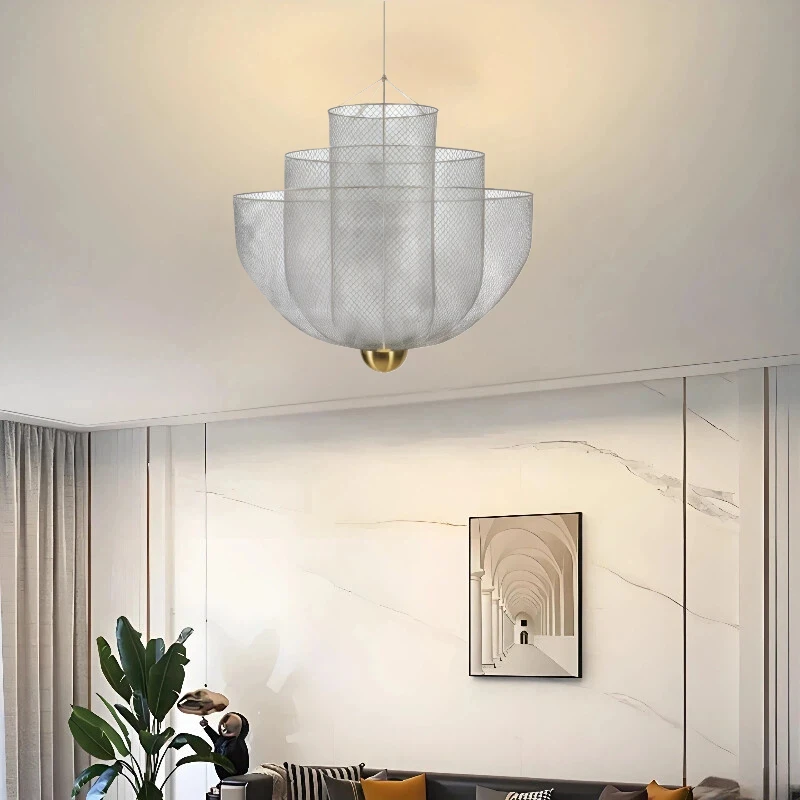
Netherland Moooi Designer LED Chandelier Lustre Minimalist Iron Pendant Light Room Decoration Loft Living Hanging Lamps Fixtures
For a minimalist yet striking option, consider the Netherland Moooi Designer LED Chandelier, which combines clean iron lines with warm LED lighting.
Frequently asked questions
How do I determine the right size of a designer LED chandelier for my room?
Add the length and width of your room in feet; the sum in inches is a good diameter guideline. For example, a 12×14 ft room suggests a 26-inch chandelier. Also consider ceiling height and table size.
Can a designer LED chandelier be dimmed?
Many LED chandeliers are dimmable, but check the product specifications. You’ll also need a compatible dimmer switch designed for LED loads to avoid flickering.
How do I clean and maintain my designer LED chandelier?
Turn off power, then dust with a soft dry cloth. For metal parts, use a mild cleaner. Avoid harsh chemicals. Check connections periodically. LEDs require minimal maintenance.
What is the ideal color temperature for a living room chandelier?
For a warm and inviting atmosphere, choose 2700K-3000K. For task-oriented areas like a home office, 3500K-4000K is better. Many chandeliers offer adjustable color temperatures.
