
Blog
Solar Pagoda Lantern: Zen Garden Lighting Guide
Garden Lighting
Find Your Perfect Solar Pagoda Lantern
A solar pagoda lantern is more than just a light source—it’s a miniature architectural statement that brings tranquility to your outdoor space. Here’s how to choose the right one for your garden.
Why Choose a Solar Pagoda Lantern for Your Garden?
Solar pagoda lanterns blend traditional Asian aesthetics with modern solar technology, offering an eco-friendly way to illuminate pathways, patios, or meditation corners. Unlike electric lighting, they require no wiring, making them easy to install anywhere sunlight reaches. Their soft, warm glow creates a calming ambiance that enhances the zen atmosphere of any outdoor setting.
Beyond their charm, these lanterns serve as subtle focal points, drawing the eye and inviting quiet reflection. They are perfect for those who appreciate cultural detail and sustainable living.
Key Features to Consider in a Solar Pagoda Lantern
When shopping for a solar pagoda lantern, several features determine its performance and longevity. Pay attention to the solar panel quality, battery capacity, and light output. A high-efficiency panel charges faster and works in lower light conditions. Look for batteries like lithium-ion that hold charge longer and have a longer lifespan.
- Material: Stone, resin, or metal each offer different durability and aesthetics.
- Lighting Modes: Some lanterns have multiple settings (steady, flickering, or off).
- Water Resistance: Ensure an IP65 rating or higher to withstand rain.
- Size: Consider the scale relative to your garden space.
Material Matters: Stone vs. Resin
Stone lanterns are heavy, authentic, and naturally durable but can be pricey. Resin lanterns are lightweight, affordable, and can mimic stone texture. For most gardens, resin offers the best balance of aesthetics and practicality.
How to Place Your Solar Pagoda Lantern for Maximum Effect
Placement is crucial for both aesthetics and solar efficiency. Choose a spot that receives direct sunlight for at least 6 hours a day. Avoid shady corners or under trees. Position the lantern where its light will cast interesting shadows—near a pathway, by a water feature, or among low plants.
Think about sightlines: a lantern partially hidden behind foliage can create a sense of discovery. For a symmetrical look, place two lanterns flanking a door or gate.
Maintaining Your Solar Pagoda Lantern
Simple maintenance keeps your solar pagoda lantern shining brightly for years. Regularly clean the solar panel with a soft, damp cloth to remove dust and debris. Check for any cracks in the fixture, especially after winter. Replaceable batteries will eventually need changing—typically every 1-2 years.
During extreme weather, consider bringing the lantern indoors if it’s not rated for freezing temperatures. Most quality lanterns are built to withstand the elements, but a little care goes a long way.
Styles of Solar Pagoda Lanterns: From Traditional to Modern
Pagoda lanterns come in various designs, from classic tiered structures to minimalist interpretations. Traditional styles often feature intricate carvings and a stone-like finish, perfect for a Japanese-inspired garden. Modern designs may incorporate clean lines and geometric shapes, blending with contemporary landscapes.
Some lanterns include decorative elements like cut-out patterns that cast beautiful silhouettes when lit. Choose a style that complements your existing outdoor decor and personal taste.
Solar Pagoda Lanterns and the Environment
Using solar energy reduces your carbon footprint and lowers electricity costs. Solar lanterns use renewable energy, making them an environmentally responsible choice. They also encourage outdoor living by extending the hours you can enjoy your garden.
For more on the cultural significance of pagodas, you can read about pagoda architecture on Wikipedia.
Choosing the Right Solar Pagoda Lantern for Your Space
Before purchasing, measure your intended area and consider the lighting effect you desire. If you want a bright pathway light, choose a lantern with a higher lumen output. For ambiance, a softer glow suffices. Also, check the build quality—look for sturdy construction and weather-resistant materials.
Reading customer reviews can provide insight into real-world performance. Finally, think about the warranty and customer support offered by the brand.
Enhance Your Garden with a Solar Pagoda Lantern
Bringing a solar pagoda lantern into your garden is a step towards creating a peaceful retreat. It serves as a subtle nod to tradition while embracing sustainable technology. Whether you’re an avid gardener or a casual decorator, this type of lantern adds a unique charm.
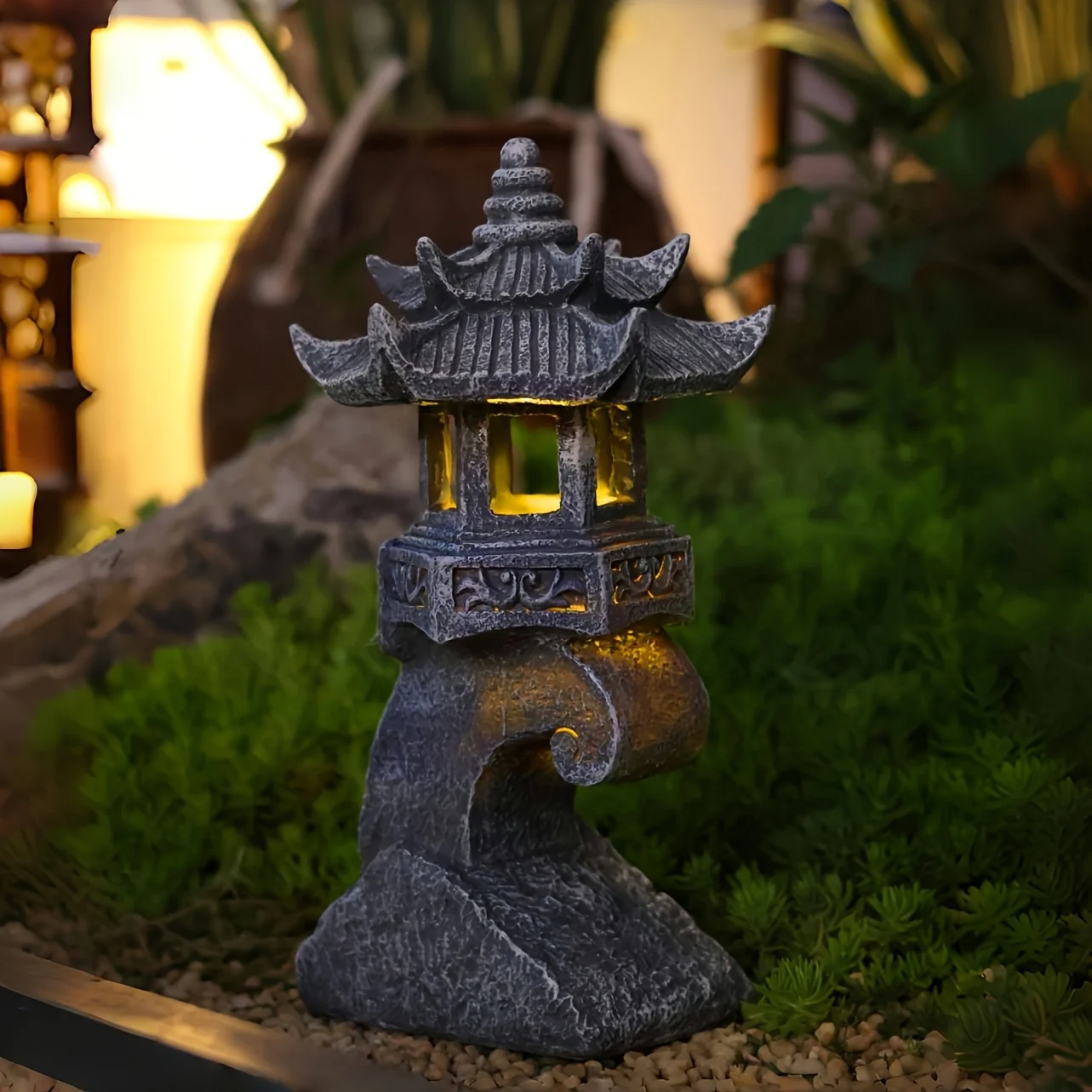
Consider the Solar Pagoda Lantern Garden Statue from Goldoma—a beautifully crafted piece that combines zen inspiration with reliable solar performance. It’s a wonderful addition to any outdoor space.
Solar Pagoda Lantern Garden Statue, Solar Zen Inspired Stone Palace Lantern, Zen Pagoda Lantern Garden Outdoor Statue
For a reliable and elegant option, consider the Solar Pagoda Lantern Garden Statue from Goldoma, which blends zen-inspired design with durable construction.
Frequently asked questions
How long does a solar pagoda lantern stay lit at night?
Most solar pagoda lanterns, when fully charged, provide light for 6-8 hours. The exact duration depends on battery capacity, the number of LEDs, and the amount of sunlight received during the day.
Can solar pagoda lanterns withstand rain and snow?
Yes, if they have a high IP rating (like IP65). This means they are dust-tight and protected against water jets. However, extreme winter conditions may affect battery performance, so check the product specifications.
Do solar pagoda lanterns require direct sunlight to charge?
They charge best in direct sunlight, but they can still charge on cloudy days, though at a slower rate. For optimal performance, place them where they get at least 6 hours of direct sun.
How do I replace the battery in my solar pagoda lantern?
Most lanterns have a battery compartment that is easily accessible, often at the base or under the cap. Open the compartment, remove the old battery, and insert a new one of the same type and voltage. Always follow the manufacturer’s instructions.
