
Blog
Recycled Plastic Planters: Eco-Friendly Choices
Eco Living
Recycled Plastic Planter: Sustainable Style for Every Space
A recycled plastic planter is a smart, earth-friendly choice for your plants, blending durability with a lighter footprint. Here’s how to pick the best one for your home and garden.
Why Choose a Recycled Plastic Planter?
When you opt for a recycled plastic planter, you’re giving discarded materials a second life while reducing the demand for virgin plastics. These planters are often made from post-consumer or post-industrial plastics, such as milk jugs or bottle caps, which are cleaned, melted, and molded into new shapes. This process keeps waste out of landfills and oceans, and it typically requires less energy than producing new plastic.
Beyond the environmental benefits, recycled plastic planters are incredibly practical. They resist cracking, fading, and peeling, making them ideal for outdoor use in harsh weather. Unlike terracotta or ceramic, they won’t shatter if dropped, and they’re lightweight enough to move around easily. Plus, they come in a variety of colors and finishes, so you don’t have to sacrifice aesthetics for sustainability.
The Environmental Impact of Recycled Plastic
The production of recycled plastic planters has a notably lower carbon footprint compared to virgin plastic or even other materials like concrete or metal. According to the Wikipedia article on plastic recycling, recycling plastic can save up to 80% of the energy used to make new plastic. By choosing recycled, you’re supporting a circular economy that values resource efficiency.
However, it’s essential to check the recycled content percentage. Some planters labeled “recycled” may contain only a small fraction of recycled material. Look for products that clearly state the percentage, ideally 80% or higher. Also, ensure the planter is recyclable at the end of its life—some composites are harder to recycle than pure plastics.
What to Look for in a Quality Recycled Plastic Planter
Not all recycled plastic planters are created equal. Here are key factors to consider:
- Material composition: Look for high-density polyethylene (HDPE) or polypropylene (PP), which are common and durable. Avoid planters with mixed materials that may be less stable.
- UV protection: If the planter will sit in direct sunlight, make sure it includes UV inhibitors to prevent fading and brittleness.
- Drainage: Ensure the planter has adequate drainage holes to prevent waterlogging, which can harm plant roots.
- Weight and stability: While lightweight is a pro, it can also be a con in windy areas. Choose a heavier design or one that can be weighted with gravel.
- Finish: A powder-coated or textured finish not only looks nice but also adds a layer of protection against scratches and weather.
Styling Your Recycled Plastic Planter Indoors and Out
Recycled plastic planters are versatile and can complement any decor. For a modern indoor space, choose sleek, matte finishes in neutral tones like silver, gray, or white. Place them on shelves, windowsills, or as statement pieces on the floor with tall plants like fiddle-leaf figs or monstera.
Outdoors, these planters can withstand rain, sun, and frost, so they’re perfect for balconies, patios, or garden beds. Mix and match sizes and colors to create visual interest. Consider grouping three planters of varying heights with different plants for a dynamic display. If you have a minimalist style, stick to one color family; for a Bohemian vibe, mix vibrant colors.
Don’t forget about the plants themselves. Choose species that match the light and moisture conditions of the spot where the planter will live. For example, succulents need well-draining soil and full sun, while ferns prefer shade and moisture. The planter’s size should also correspond to the plant’s root system—too small and the plant will be root-bound, too large and the soil may stay soggy.
Caring for Your Recycled Plastic Planter
One of the best things about recycled plastic planters is how low-maintenance they are. To keep them looking their best:
- Clean with mild soap and water; avoid abrasive scrubbers that could scratch the surface.
- Store indoors during extreme cold if the planter is not rated for freezing temperatures, though most are.
- Apply a UV-protectant spray if you notice fading over time.
- Check drainage holes periodically to ensure they’re not blocked by soil or roots.
With minimal effort, your planter will last for years, making it a sustainable investment for your home.
Alternatives to Recycled Plastic: A Quick Comparison
While recycled plastic is an excellent choice, it’s worth comparing it to other eco-friendly materials:
- Terracotta: Natural and breathable, but heavy and fragile; production requires significant energy.
- Wood: Renewable, but may need chemical treatments to resist rot; lifespan varies.
- Fiberglass: Durable and lightweight, but not always made from recycled content.
- Biodegradable pots: Great for seedlings, but they break down over time and aren’t long-term.
Recycled plastic stands out for its durability and low environmental impact, making it a top contender for eco-conscious gardeners.
Top Picks and Where to Find Them
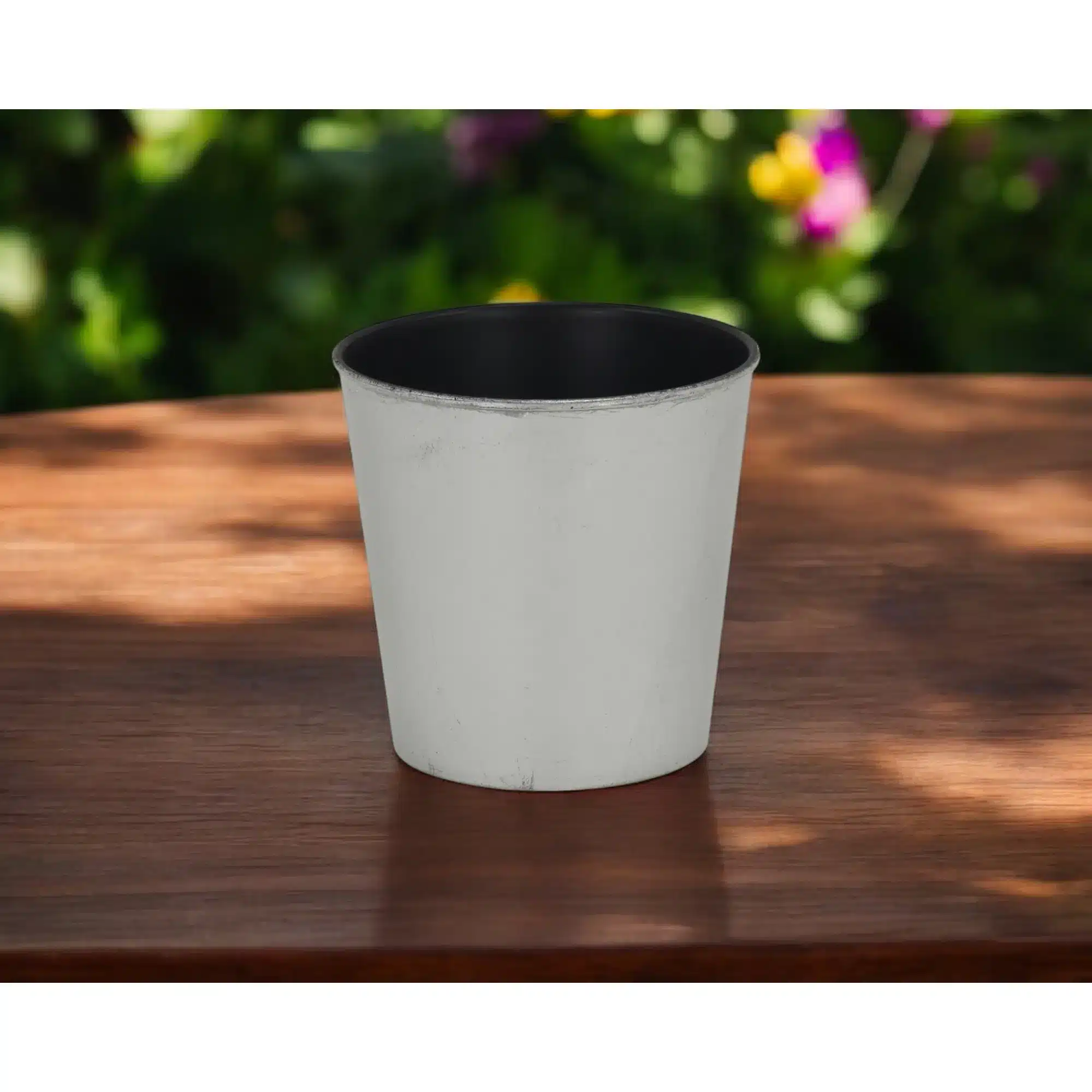
When you’re ready to shop, look for planters that clearly state their recycled content and have positive reviews from other gardeners. Many online retailers offer a wide selection, from small herb pots to large statement planters. One option that fits the bill is the 5″ Large Silver Recycled Plastic Round Pot Planter—it’s eco-friendly, powder-coated for durability, and suitable for both indoor and outdoor use.
Remember to measure the space where you plan to place the planter to ensure it fits well. Also, consider the weight when filled with soil and a plant—you don’t want to strain your back moving it.
In conclusion, a recycled plastic planter is a smart, sustainable choice that doesn’t compromise on style or function. By choosing one, you’re making a positive impact on the planet while enjoying a durable, attractive home for your plants.
5″ Large Silver Recycled Plastic Round Pot Planter Eco-Friendly Indoor/Outdoor Flower Pot Powder Coated-For Home Garden
For a stylish and durable option, consider the 5″ Large Silver Recycled Plastic Round Pot Planter—it’s powder-coated for a sleek finish and built to last in any setting.
Frequently asked questions
How long do recycled plastic planters last?
Recycled plastic planters can last for many years, often 10-20 years or more, depending on the quality of the plastic and exposure to UV rays. High-quality ones with UV inhibitors will resist fading and brittleness, ensuring a long lifespan.
Are recycled plastic planters safe for edible plants?
Yes, most recycled plastic planters are safe for growing vegetables and herbs, as long as they are made from food-grade plastics. Always check the product specifications to ensure it’s free from harmful chemicals like BPA and phthalates.
Can recycled plastic planters be left outside in winter?
Most recycled plastic planters are frost-resistant and can be left outside in winter. However, if they contain soil that freezes and thaws, the expansion could cause cracking in some cheaper models. It’s best to choose a planter rated for outdoor use and empty or insulate it during extreme cold.
How do I clean a recycled plastic planter?
Simply wash with warm, soapy water and a soft cloth or sponge. Avoid abrasive cleaners or scrubbers that can scratch the surface. Rinse thoroughly and let it air dry before replanting.
