
Blog
The Ultimate Patio Umbrella Buying Guide
Outdoor Living
Your Complete Patio Umbrella Buying Guide
Choosing the right patio umbrella can transform your outdoor experience, offering shade and style. This guide will walk you through every consideration, from size to fabric, ensuring you make a choice that lasts for years.
Why a Patio Umbrella is a Must-Have
A patio umbrella is not just a shade provider; it’s an extension of your living space. It creates a cozy nook for morning coffee, shields you from harmful UV rays, and adds a pop of color to your backyard. According to a study by the American Furniture Association, outdoor living spaces have become a priority for homeowners, and a quality umbrella is central to that investment.
Beyond aesthetics, a good umbrella can lower the temperature around your seating area by up to 10 degrees, making those hot summer afternoons bearable. It also protects your outdoor furniture from fading and weather damage, extending its lifespan.
Choosing the Right Size for Your Space
The size of your patio umbrella should correspond to the area you want to shade. A good rule of thumb: the umbrella should extend at least 2 feet beyond the edges of your table or seating area. For a standard 48-inch table, a 9-foot umbrella works well, while a 60-inch table calls for an 11-foot canopy.
If you have a larger deck or patio, consider a cantilever umbrella that can be offset, allowing you to position the shade exactly where needed without a central pole obstructing the view. Measure your space carefully, and think about the angle of the sun throughout the day to ensure optimal coverage.
Canopy Shapes and Coverage
- Round/Octagonal: Classic and versatile, fits most tables.
- Square/Rectangular: Ideal for rectangular tables, provides more corner coverage.
- Cantilever: Offset design, perfect for seating areas and windier spots.
Understanding Umbrella Materials
The frame and canopy materials determine durability and maintenance. For the frame, aluminum and fiberglass are lightweight and rust-resistant, making them ideal for coastal areas. Wood, like teak or eucalyptus, offers a classic look but requires more upkeep. Steel is sturdy but heavy and prone to rust if not coated.
For the canopy, solution-dyed acrylic (like Sunbrella) is the gold standard. It resists fading, water, and mildew, and is easy to clean. Polyester is cheaper but less durable. Check the fabric’s UPF rating; aim for UPF 50+ for maximum sun protection.
Frame Materials Compared
- Aluminum: Lightweight, rust-proof, low maintenance.
- Fiberglass: Flexible, strong, resists bending.
- Wood: Aesthetic, but requires sealing and care.
- Steel: Heavy-duty, but may rust over time.
Key Features to Look For
Modern patio umbrellas come with a variety of features that enhance convenience and comfort. An easy-to-use tilt mechanism allows you to adjust the angle of the canopy to follow the sun, providing continuous shade. Some umbrellas have a crank lift system, making opening and closing effortless.
Consider a vented canopy design, which allows heat to escape and reduces wind pressure, preventing the umbrella from inverting on breezy days. Also, look for a sturdy base—your umbrella is only as good as its foundation. A cross-base or a heavy concrete base can keep it secure.
Must-Have Features
- Tilt mechanism: Manual or auto-tilt for adjustable shade.
- Crank lift: Easy opening and closing.
- Vented canopy: Better airflow and wind resistance.
- Integrated LED lights: Extend use into the evening.
Wind Resistance and Durability
No one wants their patio umbrella to become a kite in a gust. Wind resistance depends on the frame, canopy, and base. A wind vent is crucial, as it allows air to pass through, reducing the risk of the umbrella catching wind and breaking. Some umbrellas have a wind sensor that automatically closes them in high winds—a great investment for storm-prone areas.
When not in use, secure your umbrella with a cover or store it indoors to prolong its life. Most quality umbrellas come with a warranty, but proper care is essential for longevity.
Style and Aesthetics
Your patio umbrella is a statement piece. Choose a color and pattern that complements your outdoor décor. Neutral tones like beige, gray, or navy are versatile and timeless. If you’re bold, go for stripes or vibrant hues to add a pop of personality. The shape of the umbrella also contributes to the overall look—a classic round canopy feels traditional, while a square one looks modern.
Remember, the umbrella should harmonize with your furniture and surroundings, not clash. Take a photo of your space to help you decide.
Budgeting for Your Umbrella
Prices for patio umbrellas range from under $50 for small, basic models to over $500 for large, premium ones with advanced features. Set a budget that aligns with your needs and usage. If you use your umbrella daily, investing in a higher-end model with durable fabric and a solid frame will pay off in the long run.
Consider the cost of a base, which is often sold separately. A good base can cost $50 to $150, but it’s necessary for safety and stability. Also, factor in a cover ($20-$50) to protect your investment.
Maintenance Tips for Longevity
To keep your patio umbrella looking new, clean the canopy regularly with mild soap and water, and let it dry fully before storing. Brush off leaves and debris, and check for any loose screws or rust. If you live in an area with harsh winters, take the umbrella down and store it indoors. With proper care, a quality umbrella can last 5-10 years.
Always follow the manufacturer’s instructions for cleaning and storage. If you notice any damage, address it promptly to prevent further issues.
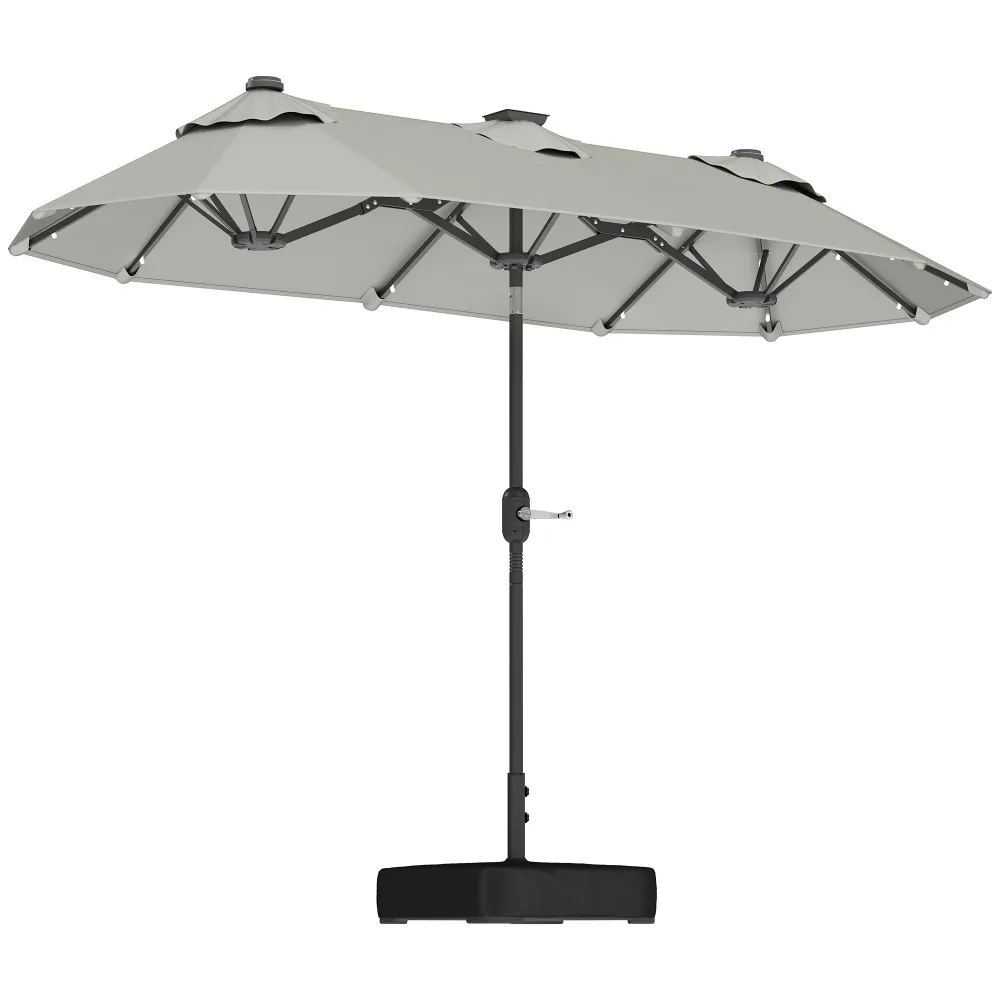
Gray Cantilever Tilt Offset Patio Umbrella
For those seeking a modern, flexible solution, the Gray Cantilever Tilt Offset Patio Umbrella offers excellent coverage and style.
Frequently asked questions
What size patio umbrella do I need for a standard table?
For a 48-inch round table, a 9-foot umbrella is ideal. For a 60-inch table, choose an 11-foot umbrella. Ensure the umbrella extends at least 2 feet beyond the table edges for proper coverage.
What is the best fabric for a patio umbrella?
Solution-dyed acrylic, like Sunbrella, is the best choice. It resists fading, water, and mildew, and offers UPF 50+ protection. Polyester is cheaper but less durable and may fade faster.
How do I keep my patio umbrella from blowing over?
Use a sturdy base that matches your umbrella’s size and weight. A concrete or cast-iron base with a cross shape provides good stability. Additionally, look for an umbrella with a vented canopy to reduce wind pressure.
Can I leave my patio umbrella out in the rain?
While most umbrellas are water-resistant, it’s best to close and cover them during heavy rain to prevent mildew and fabric damage. If the umbrella is wet, let it dry completely before storing to avoid mold.
