
Blog
Patio Umbrella with Tilt: Your Guide to Shade & Style
Buying Guide
Find Your Ideal Patio Umbrella with Tilt
A patio umbrella with tilt is more than just a shade provider; it’s a versatile companion for sunny days. Whether you’re lounging by the pool or dining al fresco, the right tilt mechanism can make all the difference in comfort.
Why a Patio Umbrella with Tilt Matters
When the sun shifts across the sky, a fixed umbrella quickly becomes useless. A patio umbrella with tilt solves this by allowing you to angle the canopy to block rays from any direction. This feature extends your outdoor enjoyment from morning coffee to evening cocktails, ensuring you stay shaded and cool throughout the day.
Beyond functionality, a tilt mechanism adds a layer of convenience. You can adjust the umbrella without moving the entire base, which is especially handy when you’re relaxing with a book or hosting friends. Plus, tilting helps protect your skin from harmful UV rays, making it a smart investment for health-conscious individuals.
Understanding Tilt Mechanisms: Crank, Push-Button, and More
Not all tilt systems are created equal. Here’s a breakdown of common types to help you decide which suits your needs:
- Crank Tilt: A simple hand crank that tilts the canopy in increments. It’s easy to use and found on many mid-range umbrellas.
- Push-Button Tilt: A button that releases a lock, allowing you to manually adjust the angle. Quick and intuitive, but requires a bit of effort.
- Auto-Tilt: Some high-end models feature a gas spring or motorized tilt, offering effortless adjustment at the push of a button.
For most backyard users, a crank or push-button tilt is sufficient. Consider how often you’ll adjust the umbrella and whether you prefer a more hands-on or automated approach.
Size and Canopy Shape: Matching Your Space
The size of your patio umbrella with tilt should complement your outdoor area. A 9-foot canopy is versatile, fitting most tables and seating arrangements. If you have a large dining set or a spacious deck, consider a 10- or 11-foot model. For small balconies, a 6- or 7-foot umbrella might be more appropriate.
Canopy shape also matters. Octagonal umbrellas are classic and provide good coverage, while square or rectangular ones are ideal for rectangular tables. Market umbrellas have a straight pole and are easy to place through table holes, while offset (cantilever) umbrellas offer more flexibility in positioning.
Material Matters: Frames, Canopies, and Waterproofing
Durability starts with the frame. Aluminum and fiberglass are lightweight and rust-resistant, while wood adds a classic look but requires more maintenance. The canopy fabric should be UV-resistant and waterproof to withstand sun and rain. Look for materials like polyester or acrylic, which are known for their longevity.
Waterproofing is crucial if you live in a rainy climate. A waterproof canopy prevents water from pooling and reduces the risk of mildew. Some fabrics come with a water-repellent coating, but even then, it’s wise to let the umbrella dry before storing.
Stability and Base: Keeping Your Umbrella Grounded
A top-heavy umbrella without a sturdy base is a safety hazard. Ensure your base is heavy enough to support the umbrella, especially when tilted. Cross bases are common, but you can also opt for a weighted base or a table-mounted base. If you plan to move the umbrella, consider a base with wheels or a lightweight but sturdy design.
Some umbrellas come with a built-in base, but many require a separate purchase. Check the manufacturer’s recommendations for base weight based on umbrella size.
Ease of Use: Crank, Tilt, and Lift Mechanisms
In addition to tilting, the opening and closing mechanism is key. A crank lift system lets you open the umbrella with a simple turn, saving you from wrestling with the canopy. Push-button tilt systems are convenient but may require two hands. Consider your physical strength and preferences when choosing.
Some umbrellas also feature a built-in light or solar panels for evening use, adding to their versatility. While not essential, these extras can enhance your outdoor experience.
Style and Aesthetics: Blending with Your Decor
Your patio umbrella with tilt should not only function well but also look great. Canopy colors range from vibrant stripes to neutral tones, allowing you to match your outdoor furniture or add a pop of color. Frames come in finishes like powder-coated aluminum, teak, or eucalyptus.
Think about the overall vibe of your patio. A classic striped umbrella evokes a resort feel, while a solid, earthy tone blends with natural surroundings. Don’t underestimate the visual impact of a well-chosen umbrella—it can tie your entire outdoor space together.
Maintenance and Care: Prolonging Your Umbrella’s Life
To keep your umbrella in top shape, follow these tips:
- Close and store it when not in use, especially during storms or high winds.
- Clean the canopy with mild soap and water, and let it dry completely before folding.
- Inspect the frame for rust or damage periodically.
- Apply a fabric protector to enhance water resistance.
By investing a little time in care, you can extend the life of your umbrella by several seasons.
For more on umbrella care, check out this comprehensive article on umbrella history and maintenance.
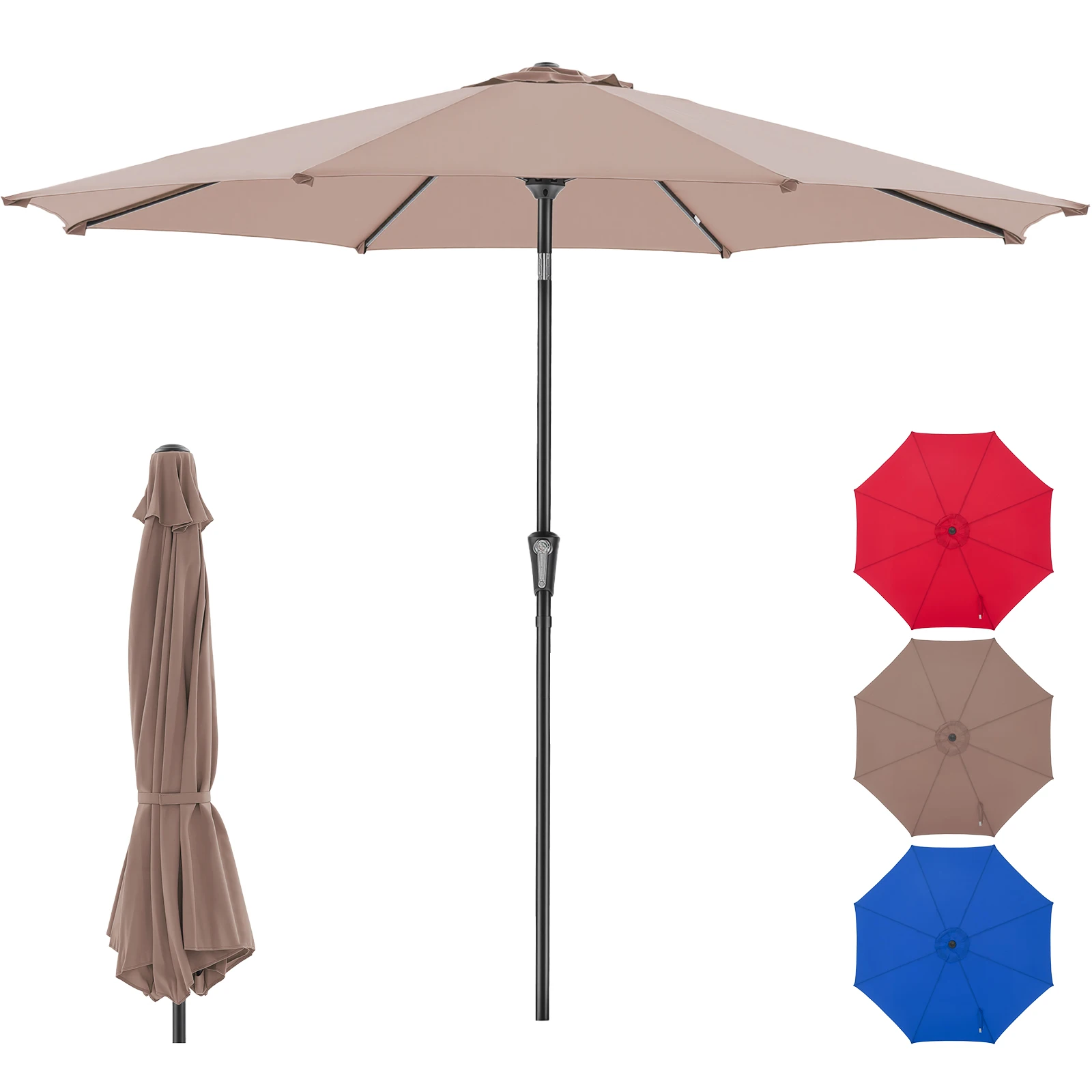
JHK 9ft Patio Umbrella with Tilt and Crank Button 8 Sturdy Ribs Waterproof Patio Table Umbrella for Outdoor Poolside Beach
If you’re looking for a reliable and affordable option, consider the JHK 9ft Patio Umbrella with Tilt and Crank Button, which offers sturdy ribs and waterproof fabric for everyday use.
Frequently asked questions
What is the best tilt mechanism for a patio umbrella?
The best tilt mechanism depends on your preference. Crank tilts are easy and smooth, push-button tilts are quick but require manual adjustment, and auto-tilts offer hands-free operation. For most users, a crank tilt is reliable and user-friendly.
How do I choose the right size patio umbrella with tilt?
Measure your outdoor space and table. A 9-foot umbrella fits most standard tables and seating areas. For larger spaces, consider 10-11 feet, and for small balconies, a 6-7 foot model works better. Ensure the umbrella provides enough shade without overwhelming the area.
Can a patio umbrella with tilt withstand strong winds?
Most umbrellas are not designed for high winds. Always close and secure the umbrella during storms or strong gusts. Choose a sturdy frame like aluminum or fiberglass and a heavy base to improve stability. Some umbrellas have vented canopies that allow wind to pass through, reducing stress.
How do I maintain a patio umbrella with tilt?
Regularly clean the canopy with mild soap and water, let it dry completely, and store it when not in use. Inspect the frame for rust or wear, and apply a fabric protector to maintain water resistance. Proper care will extend the life of your umbrella.
