
Blog
Heavy Duty Parasol Base: The Ultimate Buying Guide
Buying Guide
Heavy Duty Parasol Base: Your Complete Buying Guide
A heavy duty parasol base is the unsung hero of any outdoor space, keeping your umbrella grounded when the wind picks up. Whether you’re shading a patio or a garden, the right base ensures safety and longevity.
Why a Heavy Duty Parasol Base Matters
When you invest in a parasol, you’re not just buying shade; you’re buying comfort and style. But without a solid foundation, even the most beautiful umbrella becomes a hazard. A heavy duty parasol base anchors your umbrella, preventing it from toppling over in a gust of wind. It’s the difference between a relaxing afternoon and a chaotic chase across the yard.
Consider the physics: a larger umbrella catches more wind, creating upward lift. Without sufficient weight, that lift can overcome the base’s stability. That’s why experts recommend a heavy duty base for any umbrella over 2.5 meters in diameter. It’s not just about weight—it’s about design, material, and how well the base distributes force.
Key Features to Look For
Not all bases are created equal. Here are the features that separate a good base from a great one.
- Weight: The more weight, the better. Look for bases that offer at least 50 kg, or can be filled with sand or water for adjustable heft.
- Material: Durable materials like steel, concrete, or high-density resin ensure longevity. Powder-coated steel resists rust, while resin offers a lighter option that can be filled.
- Compatibility: Ensure the base fits your parasol pole diameter. Most bases have adjustable sleeves or come with adapters.
- Mobility: If you move your umbrella often, consider a base with wheels or a handle. Some bases have a central hole for easy carrying.
- Design: Aesthetics matter. Choose a base that complements your outdoor decor, whether it’s sleek black or natural stone finish.
Material Showdown: Resin, Steel, and Concrete
The material of your base dictates its durability and appearance. Let’s compare the most common options.
Resin Bases
Resin is a plastic-like material that’s lightweight when empty but can be filled with sand or water. It’s resistant to UV rays and doesn’t rust, making it a low-maintenance choice. However, it can crack in extreme cold if water freezes inside, so drainage is key.
Steel Bases
Steel offers a high strength-to-weight ratio, meaning you get a lot of stability without excessive bulk. Powder-coated steel is rust-resistant and can be styled in various colors. Steel bases are often more compact, which is ideal for tight spaces.
Concrete Bases
Concrete is the heavyweight champion. It’s incredibly stable and virtually indestructible. The downside? It’s heavy to move and can chip if dropped. Some concrete bases come with a protective coating to mitigate this.
For a balance of portability and strength, a steel or resin base might be best. But if you never plan to move your umbrella, concrete is unbeatable.
Weight Guidelines: How Heavy Is Heavy Enough?
Choosing the right weight depends on your umbrella’s size and your local climate. As a rule of thumb, the base should weigh at least 20% of the umbrella’s total weight. For a 3-meter umbrella, that’s roughly 50 kg. If you live in a windy area, add extra weight or choose a base that can be filled with sand.
Here’s a quick reference:
- Umbrella up to 2.5m: 20-30 kg base
- Umbrella 2.5-3.5m: 30-50 kg base
- Umbrella over 3.5m: 50+ kg base
Remember, these are minimums. More weight never hurts, especially if you’re using a cantilever umbrella that extends outward.
Types of Bases: Freestanding, Cantilever, and More
Your umbrella type dictates the base you need. Here are the main categories.
Freestanding Bases
These are the classic round or square bases that sit under a straight pole umbrella. They’re simple to set up and come in various weights and styles.
Cantilever Bases
Cantilever umbrellas have an offset pole, so their bases are designed to hold the weight off-center. They’re usually larger and heavier, often with a cross-shaped or rectangular footprint for stability.
Wall-Mounted Bases
If you lack floor space, a wall-mounted bracket can hold your umbrella. These don’t require a base but need a sturdy wall and proper installation.
For most patios, a freestanding base is sufficient. But if you have a cantilever umbrella, you’ll need a base specifically designed for that.
Installation and Maintenance Tips
Proper setup ensures your base works effectively. Here’s how to get it right.
- Level Surface: Always place your base on a flat, stable surface. Uneven ground can cause stress on the pole.
- Tighten Connections: Ensure the pole is securely fitted into the base. Loose connections can lead to wobbling.
- Drainage: If your base can be filled with water, provide a drainage hole to prevent freezing in winter.
- Clean Regularly: Wipe down your base to remove dirt and moisture, especially if it’s steel.
- Store Indoors: In harsh weather, bring the base inside to prolong its life.
Maintenance is straightforward: a little care goes a long way. For more on outdoor furniture care, check out this guide to patios.
Top Picks: Our Favorite Heavy Duty Bases
We’ve tested several bases and here are our top recommendations.
- Classic Concrete: The most reliable, if a bit bulky. Look for models with a smooth finish.
- Steel with Wheels: Perfect for those who rearrange their patio often.
- Resin Fillable: A flexible option that’s easy to store when empty.
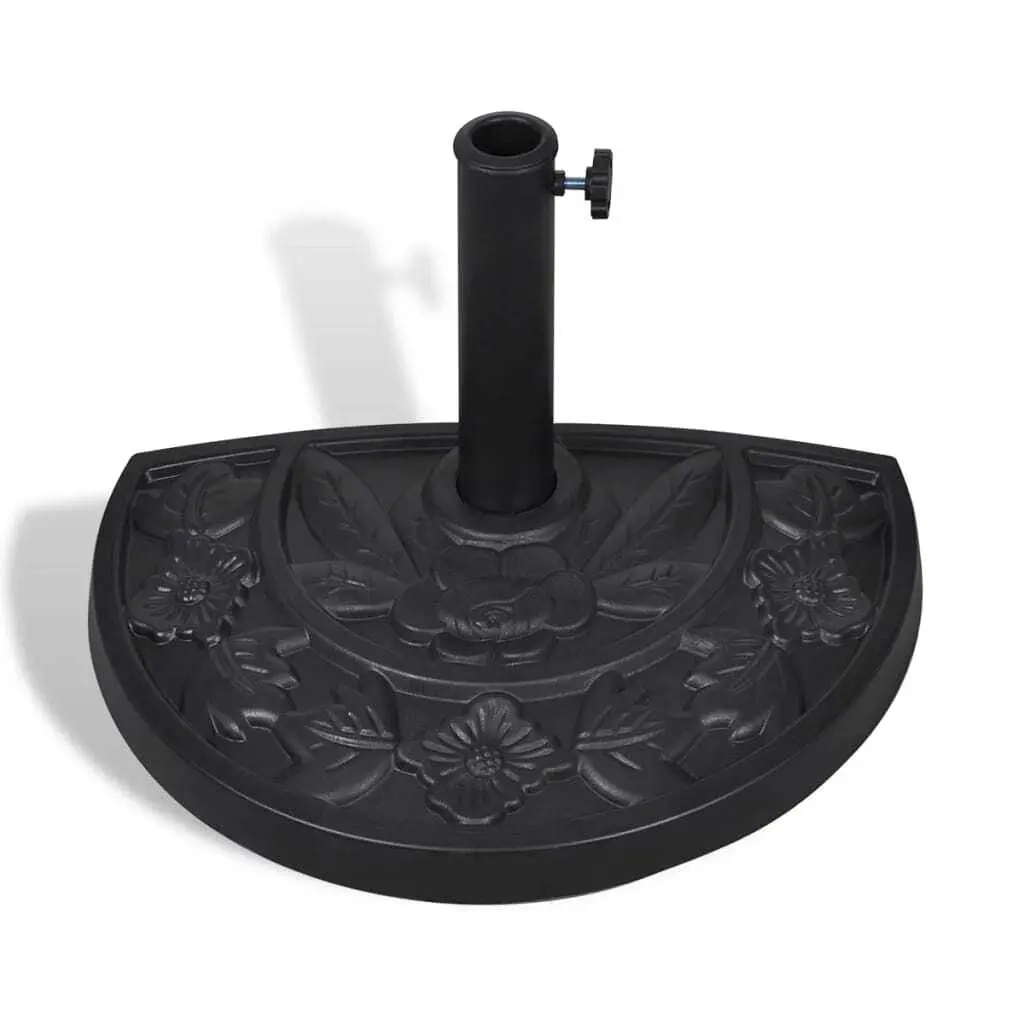
One standout is the W2B VidaXL Heavy-Duty Parasol Base for Cantilever Umbrella 3m Patio Umbrella for Courtyard Black Resin Steel New Design Style. It combines a sleek resin exterior with a steel core, offering both style and strength. Its cross-shaped design ensures stability for larger umbrellas.
Conclusion: Anchor Your Shade with Confidence
A heavy duty parasol base is a small investment that pays off in safety and peace of mind. Whether you’re lounging on a breezy day or hosting a summer party, a stable umbrella enhances your outdoor experience. Use this guide to choose a base that matches your umbrella and your environment, and enjoy your shaded haven without worry.
W2B VidaXL Heavy-Duty Parasol Base for Cantilever Umbrella 3m Patio Umbrella for Courtyard Black Resin Steel New Design Style
For a reliable and stylish option, consider the W2B VidaXL Heavy-Duty Parasol Base, which offers a robust steel core and a modern resin finish.
Frequently asked questions
What is the ideal weight for a heavy duty parasol base?
The ideal weight depends on your umbrella size. For a 3m umbrella, aim for at least 50 kg. In windy areas, go heavier or use a fillable base.
Can I use a heavy duty parasol base with any umbrella?
Most bases come with adjustable sleeves or adapters to fit various pole diameters. Check your umbrella’s pole size and compare with the base’s specifications.
How do I maintain my parasol base?
Regularly clean it with mild soap and water. For steel bases, check for rust and touch up with paint if needed. Empty water-filled bases before freezing temperatures.
What’s the difference between a cantilever base and a regular base?
Cantilever bases are designed for offset umbrellas and are typically heavier and wider to counterbalance the extended arm. Regular bases are for straight poles.
