
Blog
Terracotta Garden Parasol: Style & Shade Guide
Outdoor Living
The Terracotta Garden Parasol: Warmth in Shade
A terracotta garden parasol brings a touch of earthy elegance to any outdoor space, blending functionality with aesthetic appeal. Whether you’re lounging by the pool or dining al fresco, the right parasol can transform your patio into a cozy retreat.
Why Choose a Terracotta Garden Parasol?
Terracotta, a warm, earthy hue reminiscent of sun-baked clay, has become a favorite in outdoor design. A terracotta garden parasol not only provides essential UV protection but also infuses your patio with a Mediterranean vibe. Unlike generic neutral umbrellas, this color adds depth and character, making your outdoor area feel inviting and curated.
Moreover, terracotta pairs beautifully with a variety of materials—wood, rattan, and even modern metal furniture. It’s a versatile choice that can anchor a boho-chic setting or soften a minimalist space. With the right parasol, you can create a shaded sanctuary that reflects your personal style.
Key Features to Look For
When shopping for a terracotta garden parasol, consider these essential features to ensure you get the best value:
- Fabric Quality: Look for UV-resistant, water-repellent polyester or acrylic fabrics that withstand sun and rain without fading.
- Frame Material: Powder-coated steel or aluminum frames offer durability and rust resistance, ensuring longevity.
- Mechanism: A tilt function allows you to adjust the angle of shade as the sun moves, while a crank lift makes opening and closing effortless.
- Base Compatibility: Ensure the parasol fits a sturdy base, ideally one that can be filled with sand or water for added stability.
Additionally, consider the venting system at the top of the canopy, which allows hot air to escape and prevents wind damage. A well-ventilated parasol is safer and more comfortable on breezy days.
Size and Coverage: Finding the Right Fit
Measure your outdoor seating area to determine the ideal parasol diameter. A common rule is to choose a parasol that extends at least 2 feet beyond the edges of your table or seating area to provide ample shade. For a standard 6-foot table, a 9-foot parasol works well, while larger spaces may benefit from a 10- or 11-foot model.
Also, consider the height of the parasol. It should be tall enough to clear the heads of seated guests, typically 7 to 8 feet. A tilt feature can help you adjust the angle without moving the entire umbrella, maximizing shade throughout the day.
If you have a small balcony, a half-umbrella or wall-mounted parasol might be more practical, but a freestanding terracotta garden parasol with a compact footprint can still work wonders.
Materials Matter: Durability and Maintenance
Polyester is a popular choice for parasol canopies due to its affordability and ease of care. However, acrylic fabrics, like Sunbrella, offer superior fade resistance and are often worth the investment. For the frame, steel is sturdy but heavier, while aluminum is lightweight and rust-proof—ideal if you plan to move your parasol frequently.
To extend the life of your terracotta garden parasol, always close it when not in use, especially during storms. Use a protective cover during off-season months. Clean the canopy with a mild soap solution and a soft brush to remove dirt and pollen. Regularly check and tighten screws on the frame to prevent wobbling.
Setting Up Your Parasol
Proper installation is crucial for safety and functionality. Start by placing the base on a level surface. If your base is fillable, add sand or water to ensure it’s heavy enough to support the parasol. Insert the pole and tighten the locking mechanism. Then, crank open the canopy, adjusting the tilt as needed.
For added stability, consider using a weighted base or anchoring system, especially in windy climates. Some bases come with wheels for easy mobility, but remember to lock them in place when in use.
If you’re handy, you can even build a DIY base using a large planter and concrete, but commercial bases are designed for optimal balance and are safer.
Styling Your Outdoor Space with Terracotta
Once your terracotta garden parasol is in place, enhance its beauty with complementary decor. Add cushions in cream, sage green, or mustard yellow to create a harmonious palette. Introduce natural elements like potted olive trees or a jute rug to reinforce the earthy vibe.
Lighting is another integral part of outdoor ambiance. String fairy lights across the parasol ribs or place a lantern on the table to create a warm glow in the evening. With thoughtful styling, your patio becomes an extension of your home—a place to relax and entertain.
Remember, the parasol is not just a functional item; it’s a statement piece. Choose one that reflects your taste and elevates your outdoor experience.
Eco-Friendly and Sustainable Choices
If sustainability is a priority, look for parasols made from recycled materials or those with eco-certifications. Some brands offer canopies made from recycled plastic bottles, and frames from sustainably sourced wood or recycled aluminum. While terracotta is a natural color, the dyeing process can be more or less eco-friendly, so research brands that prioritize low-impact manufacturing.
Investing in a high-quality parasol reduces waste over time, as you won’t need to replace it frequently. Also, consider the entire lifecycle: a durable parasol that lasts for years is more sustainable than a cheap one that ends up in a landfill.
For more on sustainable outdoor materials, check out this resource on sustainable design.
Where to Place Your Parasol
Location is key to maximizing the benefits of your terracotta garden parasol. Place it over your dining table to provide shade during meals, or next to a lounge chair for reading and napping. If you have a poolside area, a parasol can create a shaded spot for towels and loungers.
Consider the sun’s path: in the northern hemisphere, south-facing areas get the most sun, so position your parasol accordingly. A tilt function allows you to follow the sun, but you might also move the base if it’s portable. Always ensure the parasol is not near open flames or heat sources.
With careful placement, you can create multiple micro-climates in your yard, each with its own mood.
Budget and Value
Terracotta garden parasols range from budget-friendly to premium, depending on size, material, and brand. Set a budget that aligns with your needs and usage. If you entertain frequently, investing in a higher-quality model with a warranty is wise. For occasional use, a mid-range option may suffice.
Remember that accessories like bases, covers, and lights add to the overall cost, so factor those in. Look for sales or bundle deals to save money. Ultimately, the best value is a parasol that meets your functional needs, matches your aesthetic, and lasts for years.
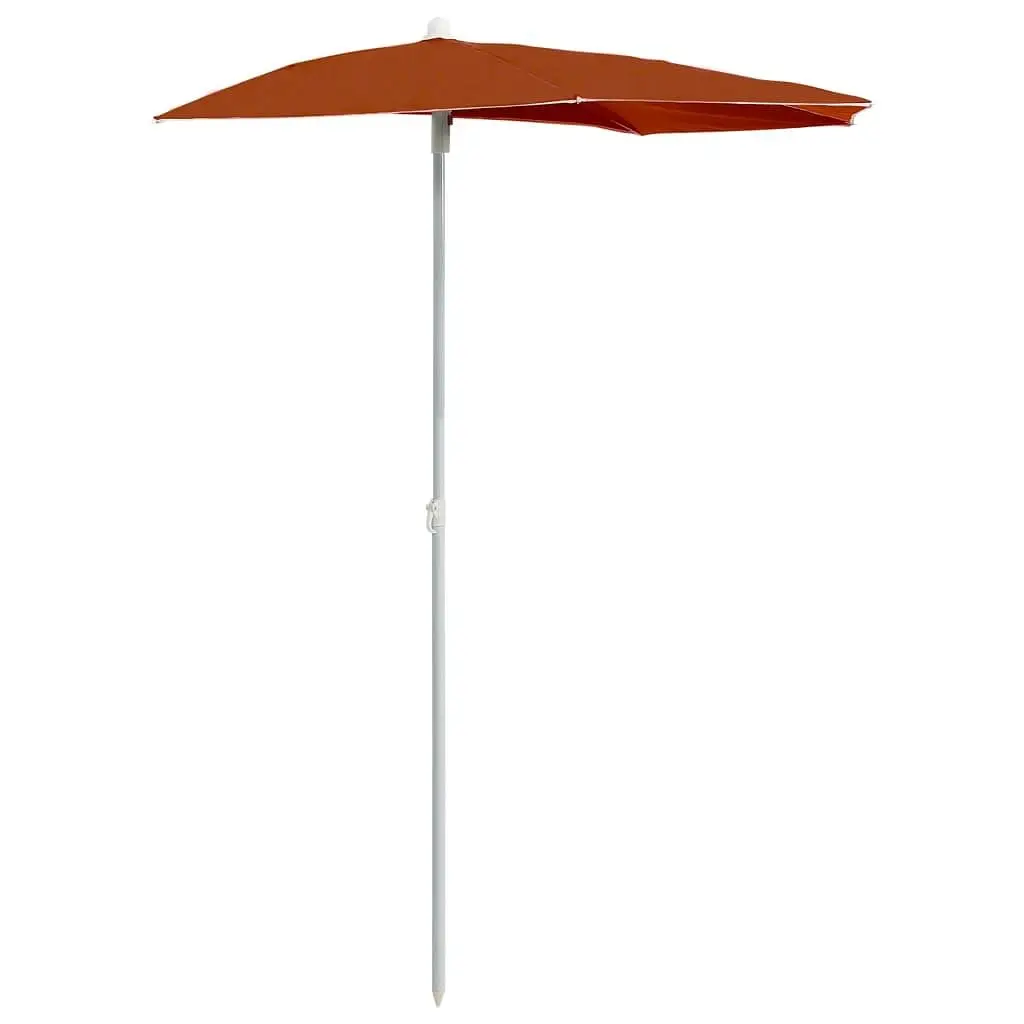
As you weigh options, consider the W2B VidaXL Terracotta Garden Parasol as a reliable choice that balances style and durability.
W2B VidaXL Terracotta Garden Parasol % Polyester Fabric with Steel Base Stylish Patio Umbrella & Base
For a reliable and stylish option, consider the W2B VidaXL Terracotta Garden Parasol, which features durable polyester fabric and a sturdy steel base.
Frequently asked questions
What size terracotta garden parasol do I need?
Measure your table or seating area and choose a parasol that extends at least 2 feet beyond the edges. For a standard 6-foot table, a 9-foot parasol is ideal.
How do I clean and maintain my terracotta garden parasol?
Use a mild soap solution and a soft brush to clean the canopy. Always close and cover the parasol when not in use, and store it indoors during winter to prolong its life.
Can I leave my terracotta garden parasol outside in the rain?
Most polyester parasols are water-resistant, but prolonged exposure can cause mildew. It’s best to close and dry it after rain, and use a protective cover.
What is the best base for a terracotta garden parasol?
A base that can be filled with sand or water provides stability. Choose one that matches the pole diameter and is heavy enough to prevent tipping in mild wind.
