
Blog
Roman Mythology Statue Guide: Bring Ancient Gods Home
Curated Guide
Roman Mythology Statue: Ancient Gods for Modern Homes
A roman mythology statue can transform a room, adding layers of history and meaning. Let’s explore how to select one that resonates with your space.
Why Choose a Roman Mythology Statue
Roman mythology offers a rich tapestry of gods and goddesses, each with unique attributes and stories. A roman mythology statue is more than decoration; it’s a conversation piece that connects your home to ancient narratives. Whether you’re drawn to the wisdom of Minerva or the strength of Mars, there’s a deity for every personality.
Unlike generic ornaments, these statues carry symbolic weight. They can evoke feelings of protection, inspiration, or tranquility, depending on the figure you choose. For history enthusiasts, they serve as tangible links to the past, while for others, they simply add an air of classical elegance.
Popular Deities and Their Meanings
When selecting a roman mythology statue, understanding the deity’s symbolism helps you pick one that aligns with your intentions. Here are some favorites:
- Jupiter – King of the gods, symbolizing authority and leadership.
- Venus – Goddess of love and beauty, perfect for romantic or creative spaces.
- Apollo – God of the sun and arts, ideal for studios or reading nooks.
- Diana – Goddess of the hunt, representing independence and nature.
Each statue tells a story, and having that story in your home adds depth to your decor. You might also consider household gods like the Lares, which were traditionally guardians of the home.
Materials and Craftsmanship
The material of your roman mythology statue greatly affects its look and longevity. Common options include:
- Plaster – Lightweight and affordable, offering a classic matte finish that mimics marble.
- Resin – Durable and versatile, often with intricate detailing.
- Marble – The most authentic, but heavy and expensive.
- Bronze – Rich in color, requiring more care.
For most homes, plaster or resin statues balance beauty and practicality. They can be placed on shelves, mantels, or desks without worrying about weight. The craftsmanship is evident in the facial expressions and drapery of the robes, so look for well-defined features.
Styles: From Classical to Modern
Roman mythology statues come in various artistic styles. Classical reproductions aim for historical accuracy, with serene expressions and idealized forms. Neoclassical versions might add a touch of drama or romanticism. Contemporary interpretations may abstract the figure, focusing on form rather than detail.
Your choice should complement your existing decor. A minimalist room might benefit from a clean, white plaster statue, while a traditional space could handle a more ornate piece. The key is to let the statue stand out without clashing with its surroundings.
Placement Tips for Maximum Impact
The placement of your roman mythology statue can make or break its effect. Here are some ideas:
- Entryway – Greet guests with a guardian figure like Mercury or Janus.
- Bookshelf – Place among books for an intellectual vibe, perhaps near works on ancient history.
- Mantel – Make it the focal point, especially if it’s a large piece.
- Office – A small statue on your desk can serve as a reminder of your aspirations, like Minerva for wisdom.
Lighting also matters. A spotlight or a nearby lamp can highlight the statue’s contours, creating dramatic shadows. Avoid direct sunlight, which can fade colors over time.
Caring for Your Statue
To keep your roman mythology statue looking its best, dust it regularly with a soft, dry cloth. For plaster or resin, avoid water and harsh chemicals. If you need to clean deeper, use a slightly damp cloth and dry immediately. For marble or bronze, consult a professional for specific care instructions.
Handle with care, especially if the statue is fragile. Place it on a stable surface to prevent accidental knocks. With proper care, your statue can last for generations, becoming a family heirloom.
Where to Find Authentic Pieces
You can find roman mythology statues at antique stores, specialty decor shops, or online marketplaces. When buying, check the material and craftsmanship. Look for signed pieces from artists or reputable manufacturers. Museums sometimes have replicas in their gift shops, which guarantee authenticity and quality.
For a reliable online option, consider a well-reviewed store that specializes in classical decor. Read customer reviews to ensure the product matches its description. And remember, a statue’s value is not just monetary; it’s the joy it brings to your space.
For more on the historical background, see Roman mythology on Wikipedia.
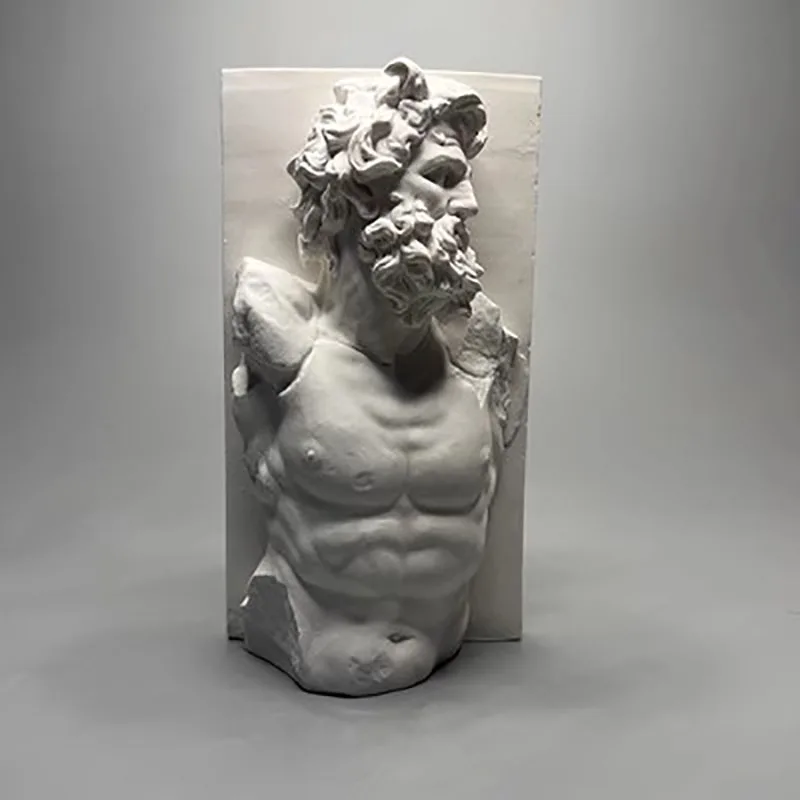
Miniature Roman Mythology Plaster Statue, European Art Ornament, Retro Sculpture, Home Interior Decor, Office Decor
If you’re looking for an affordable yet elegant piece, consider the Miniature Roman Mythology Plaster Statue – a retro European art ornament that fits perfectly on a shelf or desk.
Frequently asked questions
What are the most popular Roman mythology statues?
Popular ones include Jupiter, Venus, Apollo, and Diana. Each represents different aspects like power, love, arts, and independence.
How do I know if a statue is authentic?
Check the material quality, look for artist signatures, and buy from reputable sellers. Authentic pieces often have fine details and a certificate of authenticity.
Can I place a plaster statue outdoors?
Plaster is not weather-resistant. It’s best kept indoors in a dry environment. For outdoor use, consider bronze or stone statues.
What is the best way to clean a plaster statue?
Dust regularly with a soft cloth. For deeper cleaning, use a slightly damp cloth and dry immediately. Avoid soaking or using chemicals.
