
Blog
Desk Organizer Buying Guide: Tidy & Productive Workspaces
Buying Guide
Your Desk Organizer: A Simple Path to Calm
A good desk organizer is more than a storage bin—it’s a daily ritual for clarity and focus. Whether you’re a student or a remote worker, the right desk organizer can transform a chaotic desk into a haven of productivity.
Why a desk organizer matters
Your desk is where ideas take shape, but clutter can stifle that creative flow. A thoughtful desk organizer helps you see what’s important, reduces visual noise, and saves you precious time hunting for a pen or sticky note. It’s not about perfection—it’s about creating a system that works for you.
Research shows that physical clutter can increase stress and reduce focus. A tidy workspace, on the other hand, promotes a sense of control and calm. An organizer isn’t just a container; it’s a tool for mental clarity.
What a desk organizer can do for you
- Keep frequently used items within arm’s reach
- Protect delicate tools like pens and scissors
- Add a personal touch to your workspace
- Encourage a habit of tidiness
Materials: From wood to metal
The material of your desk organizer affects its durability, look, and feel. Wood brings warmth and a natural vibe, perfect for a cozy home office. Metal offers industrial strength and a sleek, modern aesthetic. Acrylic is see-through, making it easy to spot items, while bamboo is eco-friendly and lightweight.
Consider your desk’s existing decor. A wooden organizer can complement a rustic setup, while a metal mesh one might suit an industrial theme. Also, think about maintenance: metal can scratch, wood needs occasional polishing, and acrylic shows fingerprints.
Pros and cons of common materials
- Wood: Durable, classic, but can be heavy and pricey.
- Metal: Sturdy, easy to clean, but may dent or scratch.
- Acrylic: Modern, lightweight, but can scratch easily.
- Bamboo: Sustainable, lightweight, but may require care.
Sizing and capacity: Match your needs
Before you buy, take stock of what you need to store. Do you have a few pens and a notepad, or a mountain of sticky notes, paper clips, and headphones? Measure your desk space and think about the organizer’s footprint. A compact organizer can keep small items tidy without eating up your work surface.
Consider the number of compartments and their size. Some organizers have deep drawers for larger items, while others offer shallow trays for paper clips. If you use both pens and a phone, a multi-tiered design might be ideal.
Quick sizing checklist
- Measure the width and depth of your desk’s clear area.
- List the types of items you need to store.
- Think about future needs—will you add more supplies?
- Choose a design with adjustable compartments if you’re unsure.
Styles: From minimalist to maximalist
Your desk organizer can be a subtle helper or a statement piece. Minimalist designs—clean lines, neutral colors—blend into the background, letting your work shine. Bold colors or geometric shapes can add energy to a dull corner. Some organizers come with cute details like animal shapes or marble finishes, adding personality.
Your organizer should reflect your taste, but also function. If you prefer a clean, all-white aesthetic, a simple metal or plastic organizer works. If you love vintage charm, a rustic wooden holder might be perfect.
Popular style trends
- Scandinavian minimalism: light woods, simple forms
- Industrial: dark metals, exposed hardware
- Bohemian: woven textures, natural fibers
- Modern glam: gold accents, mirrored surfaces
Functionality: Compartments, drawers, and extras
Think about how you work. Do you like everything visible, or do you prefer hidden storage? Some organizers have open slots for pens, while others include a drawer for small items. Some have a built-in phone stand or a cable management slot.
Also consider portability. If you move between home and office, a lightweight organizer with a handle is handy. If you have a permanent desk, a heavier, sturdier option might be better.
Features to look for
- Non-slip base to prevent sliding
- Rounded edges for safety
- Easy-to-clean surfaces
- Expandable or modular designs
Budget and value: What to expect
Desk organizers range from under $10 to over $50. You don’t need to spend a fortune to get a decent one. However, investing a bit more often means better materials and construction. Look for organizers that offer a good balance—sturdy enough to last, but not so expensive that you’re afraid to use it.
Consider the cost per use. A $20 organizer that lasts five years is a better value than a $5 one that breaks in a month. Also, think about the cost of clutter: lost time and lost patience are real expenses.
Where to save and splurge
- Save on basic plastic organizers for light use.
- Splurge on wood or metal if you want durability and style.
- Consider DIY options if you’re crafty and budget-conscious.
Eco-friendly options: Sustainable choices
If you’re environmentally conscious, look for organizers made from recycled materials, bamboo, or sustainably sourced wood. Some brands use biodegradable plastics or recyclable metals. Choosing an eco-friendly desk organizer reduces waste and often brings a natural aesthetic to your desk.
Bamboo is a fast-growing, renewable resource, making it a great choice. Recycled plastic can be just as sturdy as new plastic. Check the product description for sustainability certifications.
Eco-friendly materials to consider
- Bamboo
- Recycled plastic
- Reclaimed wood
- Cork (renewable and biodegradable)
For more on sustainable materials, see this overview.
Final tips for choosing your desk organizer
Take your time. A good desk organizer is an investment in your daily well-being. Start by decluttering your desk—get rid of what you don’t need. Then, measure and plan. Think about your workflow and what you reach for most often. Finally, choose something that makes you smile when you sit down.
Remember, the goal is not to have the trendiest organizer, but one that helps you stay organized and focused. A well-chosen desk organizer is a small step toward a more productive and peaceful work life.
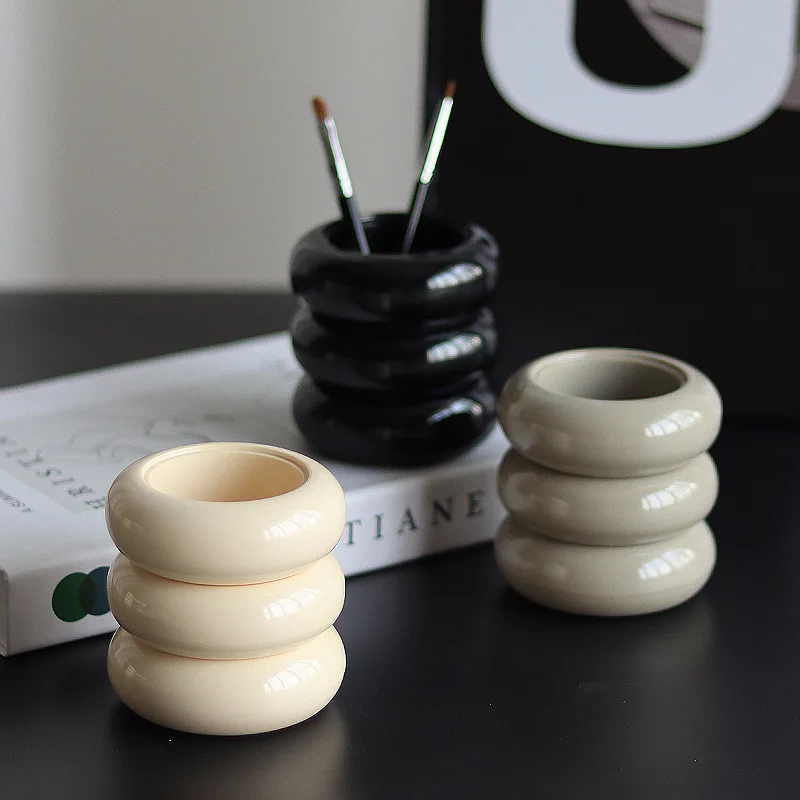
Pure Color Pencil Pen Organizer Brush Cosmetics Storage Box Desk Stationery Organizer Pen Holder Desk School Office Supplies
For a simple, versatile solution, consider the Pure Color Pencil Pen Organizer Brush Cosmetics Storage Box—a clean, multi-purpose desk organizer that fits seamlessly into any workspace.
Frequently asked questions
What is the best material for a desk organizer?
The best material depends on your style and needs. Wood is durable and classic, metal is sturdy and modern, acrylic is lightweight and see-through, and bamboo is eco-friendly. Consider your desk decor and how much wear and tear you expect.
How do I choose the right size desk organizer?
Measure your desk space and list the items you need to store. Choose an organizer that fits your available area and has enough compartments for your daily supplies, but avoid one that’s too large and creates clutter.
Can a desk organizer help with productivity?
Yes, a tidy workspace can reduce stress and save time. A desk organizer keeps essential items within reach, minimizes distractions, and helps you maintain a clear mind for focused work.
Are there eco-friendly desk organizer options?
Absolutely. Look for organizers made from bamboo, recycled plastic, reclaimed wood, or cork. These materials are sustainable and often add a natural, warm touch to your desk.
