
Blog
Three Tier Bookshelf Buying Guide: Style & Storage
Buying Guide
Find Your Perfect Three Tier Bookshelf
A three tier bookshelf is a versatile storage solution that can transform any room. Whether you need to organize books, display decor, or store essentials, this guide will help you make an informed choice.
Why Choose a Three Tier Bookshelf?
A three tier bookshelf offers a balanced combination of storage and display space without overwhelming a room. Its compact footprint makes it ideal for apartments, home offices, or cozy reading nooks. Unlike taller units, a three tier bookshelf keeps items within easy reach, encouraging you to rotate displays or access frequently used books.
For many, the appeal lies in its adaptability. You can use it as a bedside table, a plant stand, or a mini bar. The three tiers provide just enough verticality to draw the eye upward, making ceilings feel higher and spaces more open.
Materials: Durability Meets Aesthetics
The material of your bookshelf affects both its longevity and its look. Here are common options:
- Solid Wood: Classic and sturdy, but heavy and often pricier.
- Engineered Wood (MDF/Particleboard): Affordable and lightweight, with many finishes. Look for high-density board for better durability.
- Metal: Industrial vibe, very strong, but may scratch floors if not fitted with pads.
- Bamboo: Eco-friendly and moisture-resistant, ideal for humid areas.
Consider where you’ll place it. For a child’s room, a sturdy, tip-resistant design is crucial. For a living room, aesthetics might drive your choice.
Size and Dimensions: Measure Twice, Buy Once
Before purchasing, measure your available space. A three tier bookshelf typically ranges from 24 to 36 inches wide, 12 to 16 inches deep, and 30 to 48 inches tall. Ensure there’s enough clearance for the doors or drawers if it has them.
Also, think about what you’ll store. If you have large art books, check the shelf height – you may need adjustable shelves. If you’re placing it in a hallway, a narrower depth might be better to avoid obstructing walkways.
Style and Design: Matching Your Decor
Your bookshelf should complement your interior design. For a modern look, choose clean lines and a minimalist finish. For a rustic feel, opt for distressed wood or metal accents. A three tier bookshelf with doors can hide clutter, while open shelves invite display.
Consider the color: neutral tones like white, black, or oak blend easily, while bold colors can become a statement piece. Also, check if the finish is matte or glossy – each has its own maintenance needs.
Functionality: Shelves, Doors, and Foldability
Some three tier bookshelves come with additional features:
- Adjustable shelves: Customize heights for different items.
- Doors: Protect contents from dust and create a clean look.
- Foldable or collapsible: Great for temporary setups or small apartments.
- Drawers: Offer hidden storage for small items.
Think about how you plan to use the bookshelf. If you need to store office supplies out of sight, a model with doors or drawers might be best. If you love to display collectibles, open shelves are more accessible.
Assembly and Maintenance Tips
Most three tier bookshelves require some assembly. Check the product details for the estimated assembly time and whether tools are included. Follow the instructions carefully to ensure stability. Use a level to make sure it’s not wobbling.
For maintenance, wipe regularly with a damp cloth and avoid harsh chemicals. If it’s near a window, consider UV protection to prevent fading. For wooden shelves, occasional polishing can keep them looking new.
Safety Considerations
Bookshelves can tip over if not properly secured, especially in homes with children or pets. Look for models with anti-tip hardware (often included) and anchor it to the wall. Place heavier items on lower shelves to lower the center of gravity.
If you have a foldable model, ensure the locking mechanisms are robust and engaged correctly. Always follow the manufacturer’s guidelines for weight limits.
Where to Place Your Three Tier Bookshelf
The beauty of a three tier bookshelf is its versatility. Here are some placement ideas:
- Living Room: Use it as a side table or to display art and plants.
- Home Office: Store reference books and files in style.
- Bedroom: Serve as a nightstand with books and a lamp.
- Entryway: Keep keys, mail, and shoes organized.
- Kitchen: Store cookbooks and spices.
For more interior design inspiration, you might check this Wikipedia article on interior design.
Care and Longevity
With proper care, a quality bookshelf can last for years. Avoid overloading shelves beyond their weight capacity. Rotate items periodically to prevent sagging. If you notice any loose screws, tighten them immediately.
When moving, disassemble the bookshelf if possible to avoid damage. For foldable models, collapse them and store flat.
In summary, a three tier bookshelf is a smart investment for any home. By considering materials, size, style, and safety, you’ll find the perfect one to meet your needs.
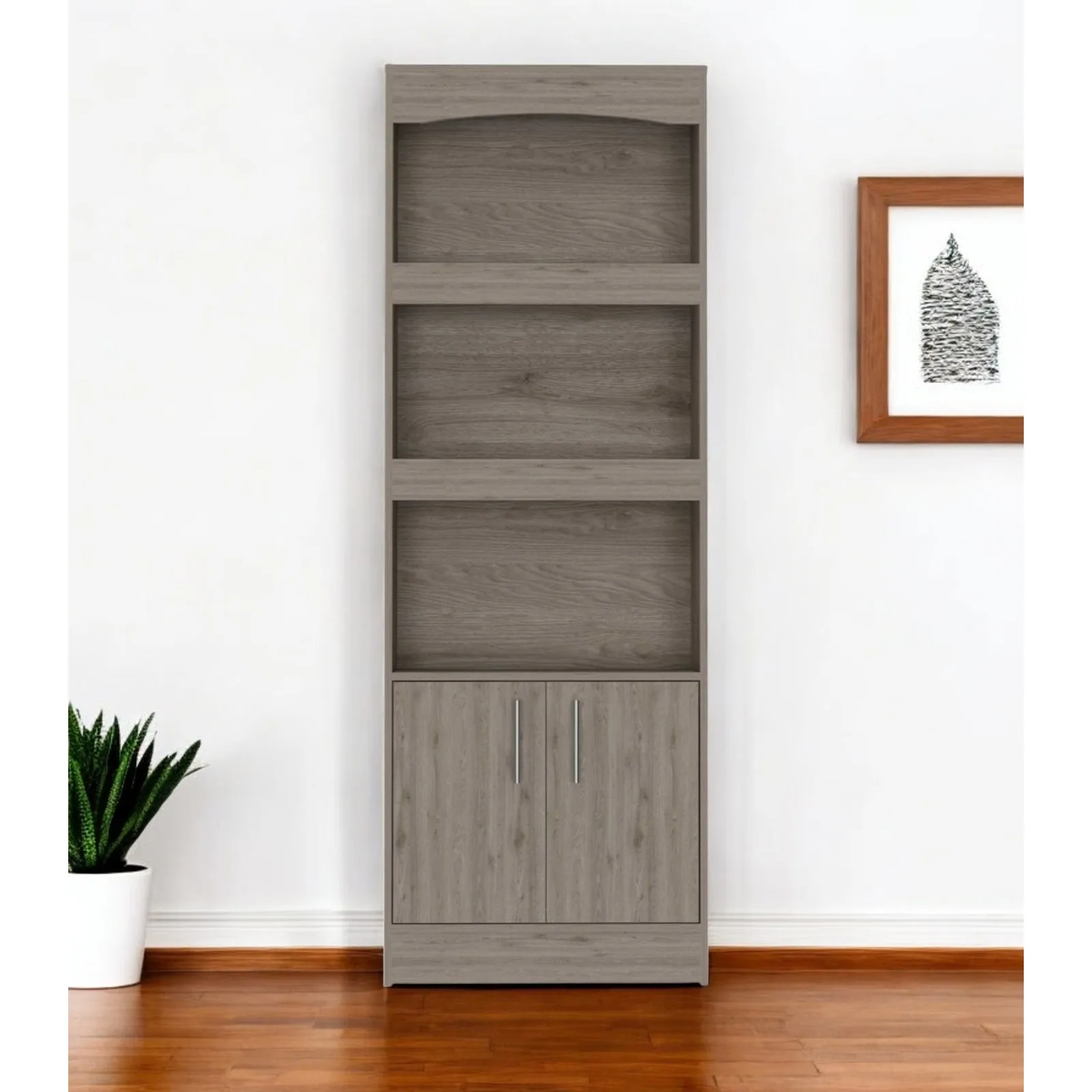
71 Three-Tier Bookshelf with Two Doors Foldable Living Room Furniture for Home Office Workshop Bedroom Application
For a space-saving and versatile option, consider the 71 Three-Tier Bookshelf with Two Doors Foldable Living Room Furniture, which combines storage and style effortlessly.
Frequently asked questions
What is the ideal height for a three tier bookshelf?
The ideal height depends on your use. For a child’s reach, 30 inches is suitable. For adults, 36-48 inches is comfortable. Measure your space and consider what you’ll store.
Can a three tier bookshelf hold heavy books?
Most three tier bookshelves have weight limits between 20-50 lbs per shelf. Check the product specs. Solid wood and metal are stronger, while particleboard may have lower limits.
How do I prevent a three tier bookshelf from tipping over?
Use the anti-tip hardware that comes with the bookshelf and anchor it to the wall. Place heavier items on lower shelves. Avoid placing it on carpet without leveling.
Are foldable three tier bookshelves as sturdy as non-foldable ones?
Foldable models are designed for convenience and are generally sturdy when properly locked. However, they may not support as much weight as permanent shelves. Follow the manufacturer’s guidelines.
