
Blog
The Best Filing Cabinet with Lock for 2025: A Buyer’s Guide
Buying Guide
Filing Cabinet with Lock: Your Essential Buying Guide
A filing cabinet with lock is more than just a place to store documents; it’s a safeguard for your privacy and a cornerstone of an organized workspace. Whether you’re a freelancer managing client files or a homeowner keeping important papers secure, choosing the right one can make all the difference.
Why You Need a Filing Cabinet with Lock
In today’s world, data breaches and identity theft are real threats. Even at home, you might have sensitive documents like tax returns, medical records, or contracts that you’d rather keep away from prying eyes. A locking file cabinet provides a physical barrier that protects your information and gives you peace of mind. Beyond security, it also helps you stay organized, reducing clutter and saving time when you need to find a specific file.
Key Features to Consider
When shopping for a filing cabinet with lock, several features determine how well it fits your needs. Here are the most important ones:
- Size and Capacity: Think about how many files you need to store. A 2-drawer cabinet might suffice for a small home office, while a 4-drawer or 6-drawer unit offers more space for growing collections. Vertical cabinets are narrower and taller, saving floor space, while lateral cabinets are wider and can accommodate side-to-side filing.
- Locking Mechanism: The quality of the lock is crucial. Look for cabinets with a central locking bar that secures all drawers simultaneously, rather than individual locks that you must remember to engage. Some models offer electronic locks for keyless entry, which can be convenient if you frequently access your files.
- Material and Build: Steel is the most common material for filing cabinets because it’s durable and fire-resistant. Check the gauge of steel; thicker steel (e.g., 20-gauge) is sturdier and less likely to dent. Powder-coated finishes resist scratches and rust.
- Wheels or Casters: If you need to move your cabinet around, look for models with wheels. Lockable casters keep the cabinet stationary when you don’t want it to roll. Some cabinets have adjustable glides instead, which are better for carpeted floors.
- Fire and Water Resistance: For critical documents, consider a fire-resistant cabinet. These are tested to withstand high temperatures for a certain period. Water resistance is also a plus, protecting against leaks or floods.
Types of Filing Cabinets
Filing cabinets come in various styles, each with its own advantages. Here’s a breakdown:
Vertical Filing Cabinets
These are the classic, tall cabinets with drawers that pull out towards you. They are ideal for letter-size documents and are space-efficient, fitting into narrow gaps. A 4-drawer vertical cabinet can hold a substantial number of files without taking up much floor space.
Lateral Filing Cabinets
Lateral cabinets are wider and allow files to be stored side-by-side, which can be more ergonomic since you can see all tabs at a glance. They often come with a hanging rail system for suspension folders. They require more floor width but offer more versatility.
Mobile Pedestals
These are smaller, rolling cabinets that fit under a desk. They typically have one or two drawers and are perfect for keeping frequently used files within arm’s reach. Many have locks to secure sensitive materials.
Specialty Cabinets
For specific needs, you can find cabinets designed for legal-size documents, blueprints, or even media storage. Always check the interior dimensions to ensure your documents will fit.
Security: Locks and More
The primary purpose of a locking file cabinet is security. But not all locks are created equal. Here’s what to look for:
- Cam Locks: Simple and common, these are easy to pick and offer minimal security. They are fine for deterring casual snooping but not for high-value documents.
- Deadbolt Locks: These provide better resistance to forced entry. They have a bolt that extends into the cabinet frame, making it harder to pry open.
- Electronic Locks: These use a keypad or biometric scanner. They eliminate the need for keys and can offer audit trails, but they require batteries and may be more expensive.
- Tamper-Resistant Features: Look for reinforced drawer fronts, anti-pry tabs, and concealed hinges. These make it difficult for someone to break in without leaving visible damage.
Remember, a lock is only as good as its weakest point. Ensure the cabinet’s frame is sturdy and that the locking mechanism engages all drawers securely.
Materials and Durability
The material of your filing cabinet affects its longevity and appearance. Steel is the standard choice for its strength and fire resistance. However, you can also find cabinets made of wood or particleboard with a laminate finish. Wood offers a warmer aesthetic but is less durable and can be damaged by moisture. For heavy-duty use, stick with steel. Check the thickness of the steel; a lower gauge number means thicker steel, which is more durable. Also, consider the finish: powder-coated steel resists scratches and rust better than painted surfaces.
Space Planning and Placement
Before purchasing, measure your available space. Consider the cabinet’s footprint, height, and how far the drawers extend when open. You’ll need enough clearance to fully pull out drawers for access. Also, think about the room’s layout: placing the cabinet near your desk can improve workflow. If you have limited space, a vertical cabinet with a small footprint might be the answer. For larger offices, a lateral cabinet can double as a room divider.
Budget and Value
Filing cabinets with locks range from budget-friendly to premium. Prices vary based on size, material, lock type, and brand. Set a budget but also consider the long-term value: a well-made cabinet can last decades, protecting your documents and saving you money in the long run. Don’t sacrifice security for cost—it’s better to invest a little more in a cabinet with a robust locking mechanism and sturdy construction.
Maintenance and Care
To keep your filing cabinet in top shape, clean it regularly with a soft cloth and mild detergent. Avoid abrasive cleaners that can scratch the finish. Lubricate the lock and drawer slides periodically with a silicone-based spray to ensure smooth operation. If you have casters, check them for debris that might hinder rolling. With proper care, your cabinet will serve you for years.
For more information on the importance of organizing your documents, you can refer to this Wikipedia article on file folders.
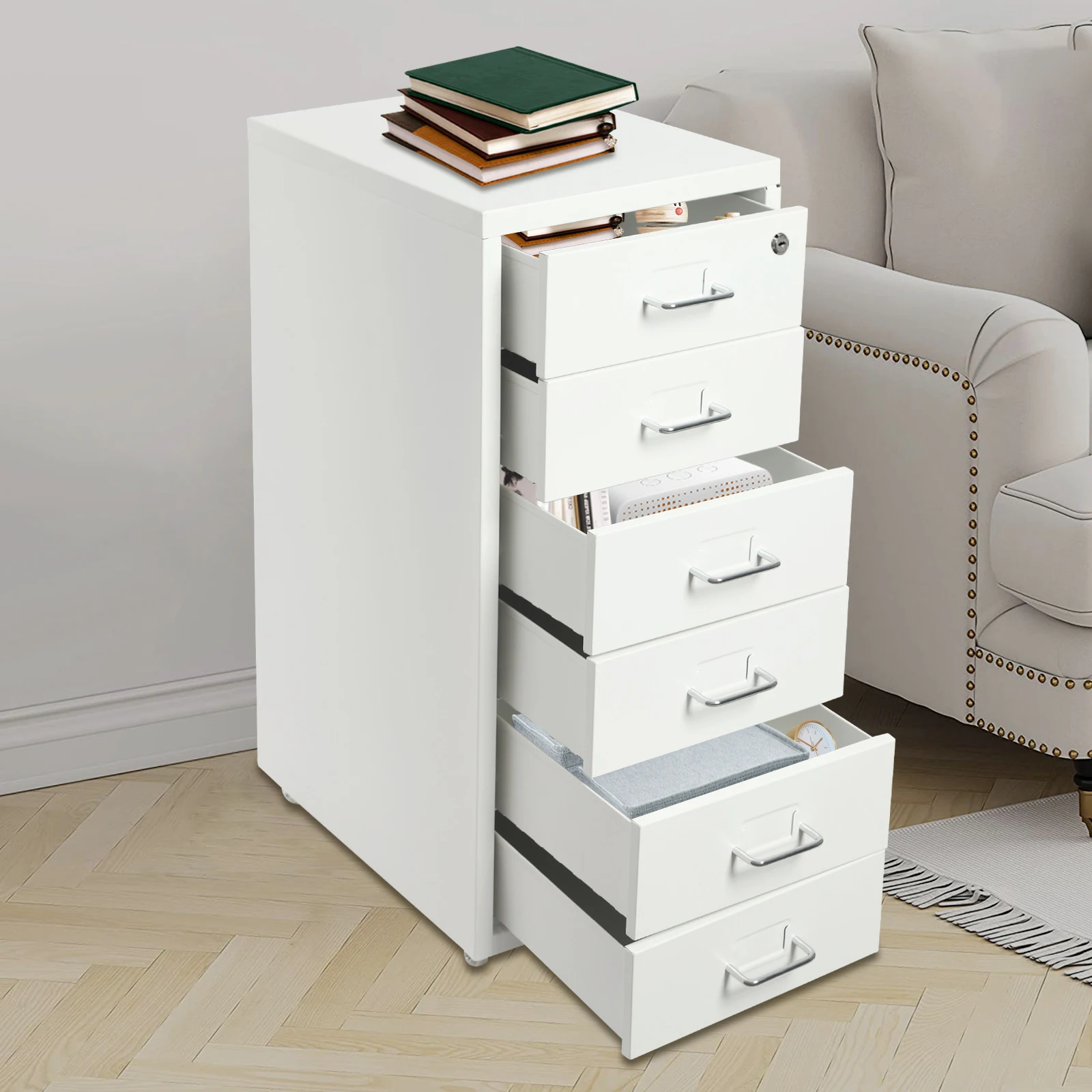
6 Drawer File Cabinet with Lock, Vertical Filing Storage Cabinets with Wheels Metal Rolling Organizer for Home Office Study
If you’re looking for a versatile and secure option, our 6 Drawer File Cabinet with Lock offers ample storage, smooth-rolling wheels, and a sturdy metal build that fits seamlessly into any home office.
Frequently asked questions
What size filing cabinet should I choose?
Consider the number of files you need to store. A 2-drawer cabinet holds about 2,000 letter-size documents, while a 4-drawer holds about 4,000. Vertical cabinets save floor space, while lateral cabinets offer easier access to files.
How do I ensure my filing cabinet is secure?
Look for a cabinet with a central locking bar that secures all drawers. Choose a lock type that suits your needs, such as a deadbolt for higher security. Ensure the cabinet is made of sturdy steel and has tamper-resistant features.
Can I use a filing cabinet for purposes other than files?
Absolutely. Many people use locking cabinets to store office supplies, personal items, or even tools. The lock provides security for any valuable or sensitive items you want to keep safe.
How do I maintain my filing cabinet?
Regularly wipe down the cabinet with a soft cloth and mild detergent. Lubricate the lock and drawer slides with a silicone spray every few months. Check casters for debris and keep them clean to ensure smooth movement.
