
Blog
Executive Desk with File Cabinet: A Complete Buying Guide
Buying Guide
Choosing the Right Executive Desk with File Cabinet
An executive desk with file cabinet is more than a piece of furniture; it’s the command center of your professional life. This guide will help you navigate the options and make an informed decision.
Why Choose an Executive Desk with File Cabinet?
An executive desk with file cabinet is a staple in many offices, offering both style and function. It provides ample workspace while keeping important documents within arm’s reach. But with so many options, it’s essential to understand what makes a great one.
Beyond the obvious storage benefits, these desks often feature a larger surface area, allowing you to spread out your work. They also project a sense of authority and organization, which can be beneficial in client-facing roles.
Key Features to Look For
When shopping for an executive desk with file cabinet, consider the following features to ensure it meets your needs:
- Material: Solid wood, veneer, or metal? Each has its pros and cons in terms of durability and aesthetics.
- Storage: Look for a mix of drawers, shelves, and filing cabinets to accommodate different items.
- Size: Measure your space to ensure the desk fits comfortably without overwhelming the room.
- Cable Management: Built-in grommets or channels keep cords tidy.
- Finish: Choose a finish that complements your existing decor.
Materials and Build Quality
The material of your executive desk with file cabinet determines its longevity and appearance. Solid wood, like oak or cherry, offers classic beauty and durability. However, it can be heavy and expensive. Alternatively, engineered wood with a wood veneer provides a similar look at a lower cost. Metal desks are sturdy and modern, often featuring adjustable components.
Pay attention to the construction details. Dovetail joints, for instance, indicate superior craftsmanship. Also, check the drawer slides—they should operate smoothly and support the weight of files.
Sizing and Layout Considerations
Before purchasing, measure your office space. An executive desk with file cabinet typically ranges from 60 to 72 inches in width. If you have a smaller office, consider a compact L-shaped or U-shaped desk that maximizes corner space. Ensure there’s enough room for your chair and movement around the desk.
Also, think about the layout. Do you prefer the file cabinet on the right or left? Some desks come with a return that can be positioned on either side. This flexibility allows you to customize the desk to your workflow.
Ergonomics and Comfort
An executive desk with file cabinet should promote good posture. The desk height should allow your arms to rest comfortably at a 90-degree angle when typing. If you’re taller or shorter than average, look for desks with adjustable legs or add a keyboard tray. Additionally, ensure there’s sufficient legroom underneath.
Consider the placement of your monitor. Ideally, the top of the screen should be at eye level. The desk’s depth should be enough to place the monitor at a comfortable distance.
Style and Aesthetics
Your executive desk with file cabinet is a reflection of your personal style. Traditional designs feature rich wood tones and ornate details. Modern desks are sleek with clean lines and minimalist hardware. Industrial styles combine metal and wood for a trendy look. Choose a style that resonates with you and fits your office’s ambiance.
Also, consider the finish. Dark woods like walnut convey elegance, while lighter woods like maple feel more casual. Black or white finishes offer a contemporary vibe.
Accessorizing Your Desk
Once you’ve selected your executive desk with file cabinet, enhance it with accessories that boost productivity. A desk lamp reduces eye strain. A monitor stand improves ergonomics. Cable management clips keep wires organized. Add a comfortable chair that provides lumbar support.
Personalize your workspace with a plant or a photo frame. These touches make the desk feel inviting and motivating.
Maintenance and Care
To keep your executive desk with file cabinet looking new, follow these care tips:
- Dust regularly with a soft cloth.
- Clean spills immediately with a damp cloth and mild soap.
- Use coasters for drinks to prevent water rings.
- Avoid placing hot items directly on the surface.
- Periodically tighten screws and check hinges.
With proper care, your desk will serve you for years.
For more insights on office furniture materials, you can refer to Wikipedia’s article on wood.
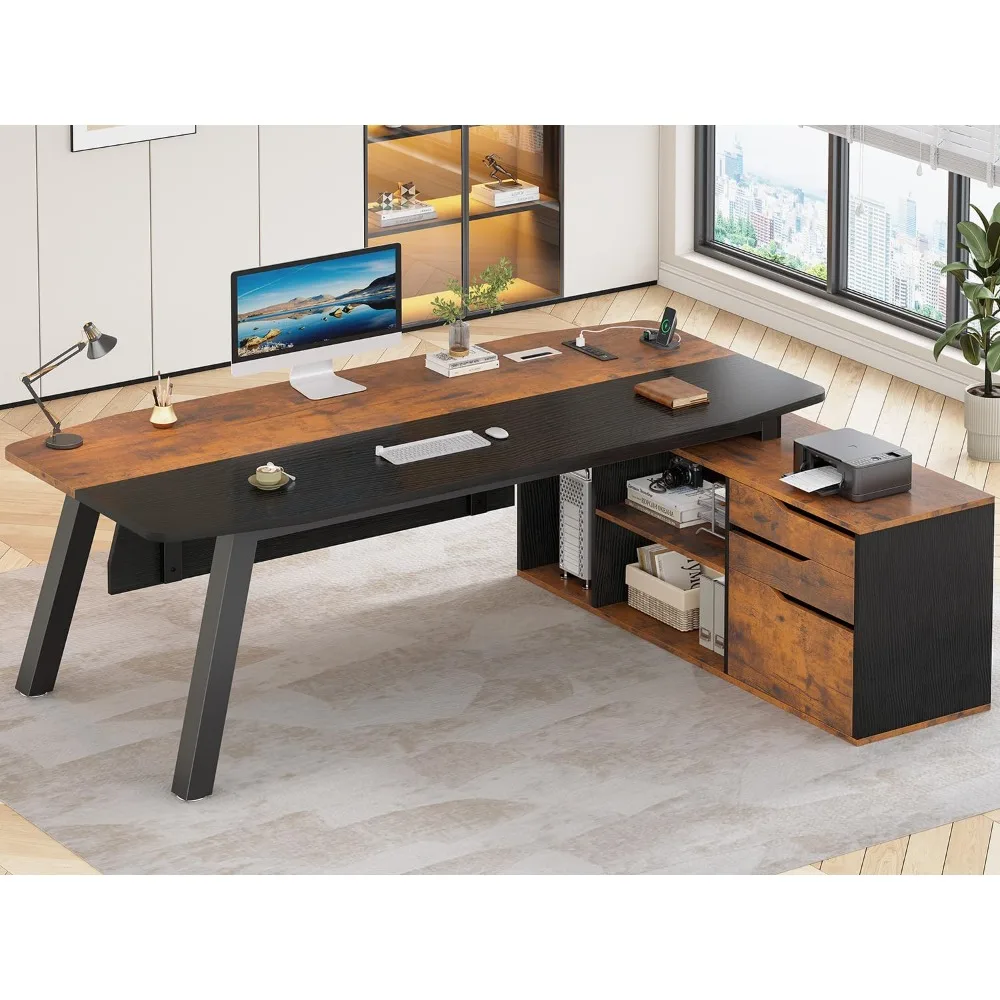
71″ Executive Desk with File Cabinet, Large Office Desk with Drawers and Shelves, L Shaped Computer Desk with Power, Customized
If you’re looking for a versatile option, consider the 71″ Executive Desk with File Cabinet, which offers ample storage and a customizable L-shaped design.
Frequently asked questions
What is the standard height of an executive desk?
Most executive desks have a height of 29 to 30 inches, which is comfortable for average-height individuals. For taller or shorter users, consider adjustable desks or add a keyboard tray.
How much space do I need for an L-shaped executive desk?
An L-shaped desk typically requires a corner space of at least 60 inches on each side. Measure your room to ensure it fits without blocking doorways or windows.
Can I add a file cabinet to an existing desk?
Yes, you can purchase a separate mobile file cabinet that slides under your desk. This is a flexible solution if you already have a desk but need additional storage.
What is the best material for an executive desk?
Solid wood is durable and classic, but it can be costly. Engineered wood with a veneer is more affordable and resistant to warping. Metal desks are sturdy and have a modern look. Choose based on your budget and style preference.
