
Blog
The Complete Guide to Choosing a Solid Wood Writing Desk
Buying Guide
Find Your Perfect Solid Wood Writing Desk
A solid wood writing desk is more than just a piece of furniture; it’s an investment in your daily productivity and the aesthetic of your workspace. Here’s everything you need to know before you buy.
Why Choose a Solid Wood Writing Desk?
In an era of particleboard and laminate, a solid wood writing desk stands out for its durability, timeless beauty, and the warmth it brings to a room. Unlike veneers that can peel or chip, solid wood can be sanded and refinished, meaning your desk can last for decades with proper care. It also adds a touch of nature to your indoor space, creating a calming and inspiring environment.
Understanding Wood Types and Their Characteristics
The type of wood you choose significantly affects the look, durability, and price of your desk. Here are some popular options:
- Oak: Known for its strength and prominent grain, oak is a classic choice that suits both traditional and modern interiors.
- Walnut: With its rich, dark color and straight grain, walnut exudes luxury and sophistication. It’s also quite durable.
- Cherry: Cherry wood has a warm, reddish hue that deepens with age. It’s softer than oak or walnut, so it’s best for low-traffic areas.
- Maple: Maple is light in color and very hard, making it resistant to scratches and dents. It’s ideal for a clean, contemporary look.
- Teak: Teak is naturally resistant to moisture and insects, making it a great choice for humid environments. Its golden-brown color adds a unique character.
When choosing, consider not only the aesthetics but also how the wood will age. Some woods develop a patina over time, which many find appealing.
How to Choose the Right Size and Shape
The size of your solid wood writing desk should be determined by the available space and your work habits. Measure your room and consider the following:
- Desk length: A desk should be at least 24 inches deep for a computer monitor, but 30 inches is more comfortable. For multiple monitors or paperwork, consider 36 inches or more.
- Width: A standard desk is 48 to 72 inches wide. If you have a large workspace, a wider desk allows for more surface area.
- Shape: Rectangular desks are the most common and versatile. Corner desks (L-shaped) maximize space in small rooms, while writing desks with a hutch provide extra storage.
Also, think about ergonomics: your desk height should allow your elbows to rest at a 90-degree angle when typing. Most desks are 29-30 inches high, but you may need an adjustable chair to match.
Styles and Designs to Match Your Decor
A solid wood writing desk comes in a variety of styles, from rustic farmhouse to sleek modern. Consider the existing decor of your room:
- Traditional: Ornate details, carved legs, and rich finishes.
- Mid-Century Modern: Clean lines, tapered legs, and minimal ornamentation.
- Industrial: A blend of wood and metal, often with a raw, unfinished look.
- Scandinavian: Light woods, simple forms, and functionality.
Think about the color and grain of the wood. A light oak desk can brighten a room, while a dark walnut desk adds depth and formality. Also, consider the finish: matte, satin, or glossy. A matte finish is more forgiving of scratches, while glossy can be more dramatic.
Solid Wood vs. Other Materials: What to Know
While a solid wood writing desk is a premium choice, it’s worth comparing it to alternatives like veneer, MDF, or metal. Solid wood is more durable and can be repaired, but it’s also heavier and more expensive. Veneer offers a similar look at a lower price, but it’s less durable. MDF is budget-friendly but susceptible to moisture damage. Metal desks are sturdy and modern, but they lack the warmth of wood. Ultimately, if you value longevity and natural beauty, solid wood is the superior investment.
Maintenance and Care Tips for Your Wood Desk
To keep your solid wood writing desk looking its best, follow these simple tips:
- Dust regularly with a soft, dry cloth.
- Clean spills immediately with a slightly damp cloth, then dry.
- Use coasters and placemats to protect the surface from heat and moisture.
- Apply a wood polish or wax every few months to nourish the wood.
- Keep the desk out of direct sunlight to prevent fading.
With proper care, your desk will age gracefully and can even become a family heirloom.
Where to Place Your Desk for Maximum Productivity
The location of your solid wood writing desk can impact your focus and comfort. Ideally, place it near a window for natural light, but avoid glare on your computer screen. If privacy is important, position it facing a wall or in a quiet corner. Make sure there’s enough space around the desk for you to move freely and access drawers or shelves. Also, consider cable management: keep cords organized to avoid clutter.
For more on creating an efficient workspace, check out ergonomics guidelines.
Making the Right Investment
When you’re ready to purchase, set a budget. Solid wood desks can range from a few hundred to several thousand dollars. Remember that you’re paying for quality materials and craftsmanship. Look for desks with dovetail joints, solid wood construction (not just wood veneer), and a durable finish. Read reviews and check the warranty. With the right care, your solid wood writing desk will serve you well for many years, making it a worthwhile investment in your work and well-being.
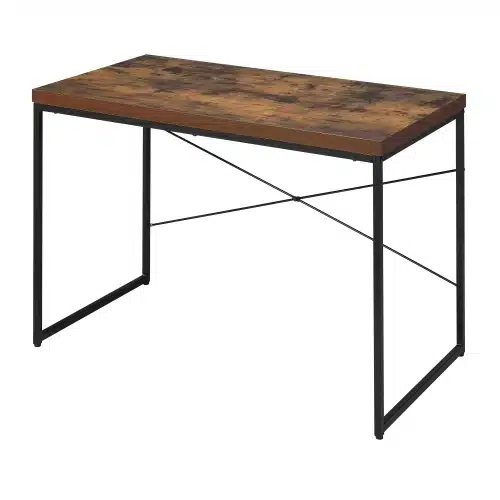
FCJ Solid Wood Writing Desk Weathered Oak and Black with Metal Sled Base Foldable Computer Table for Home Office
For a stylish and functional option, consider the FCJ Solid Wood Writing Desk Weathered Oak and Black with Metal Sled Base Foldable Computer Table for Home Office, which combines durability with a modern aesthetic.
Frequently asked questions
What is the best wood for a solid wood writing desk?
The best wood depends on your preferences and needs. Oak is durable and classic, walnut is luxurious, cherry develops a warm patina, maple is light and hard, and teak is moisture-resistant. Consider the grain, color, and how the wood will age.
How much should I spend on a solid wood writing desk?
Prices vary widely based on wood type, craftsmanship, and brand. You can find quality desks starting around $300, but expect to pay more for premium woods like walnut or teak. A well-made desk is an investment that can last decades.
Can I repair scratches on a solid wood desk?
Yes, minor scratches can often be buffed out with a wood polish or a touch-up marker. Deeper scratches may require sanding and refinishing, which is a benefit of solid wood—it can be restored to like-new condition.
How do I assemble a solid wood writing desk?
Assembly instructions vary by model. Most desks come with detailed instructions and necessary tools. It’s often a two-person job due to the weight. If you’re not comfortable with DIY, consider hiring a professional or choosing a desk that comes pre-assembled.
