
Blog
Solid Wood Writing Desk: The Complete Buying Guide
Buying Guide
Your Guide to Choosing a Solid Wood Writing Desk
A solid wood writing desk is more than just furniture—it’s an investment in your daily productivity and the character of your room. In this guide, we’ll walk you through everything you need to know to find the one that fits your space and style.
Why Choose a Solid Wood Writing Desk?
There’s a reason solid wood desks have been cherished for centuries: they offer durability, timeless beauty, and a connection to nature that synthetic materials simply can’t replicate. A well-crafted solid wood writing desk can last generations, becoming a family heirloom. Unlike veneers or particle board, solid wood can be sanded and refinished, hiding years of wear. Plus, each piece has unique grain patterns, making your desk truly one-of-a-kind.
Understanding Wood Types: Hardwood vs. Softwood
Not all solid wood is created equal. Hardwoods like oak, maple, and walnut come from deciduous trees and are denser, more durable, and resistant to dents and scratches. Softwoods like pine and cedar from conifers are lighter and more affordable, but they’re more prone to dings. For a writing desk that sees daily use, hardwoods are generally the better choice. However, if you prefer a rustic look or have a tight budget, softwoods can work with proper care. Consider the character of each wood: oak has prominent grain, walnut is rich and dark, and cherry deepens with age. Choose one that complements your existing decor.
Desk Size and Ergonomics: Finding the Right Fit
Before falling in love with a design, measure your workspace. Your desk should be at least 24 inches deep to accommodate a monitor and keyboard, but 30 inches is more comfortable for writing. For width, consider what you’ll place on it: a laptop, books, a lamp, and decorative items. You’ll need at least 48 inches for a comfortable workspace, but 60 inches gives you room to spread out. Also, think about ergonomics: your feet should rest flat on the floor, and your elbows should be at a 90-degree angle when typing. An adjustable chair is essential, but the desk height matters too. Standard desks are 29-30 inches high, but if you’re taller or shorter, you might need a custom height.
Storage Solutions: Drawers, Shelves, and More
Think about what you need to store. Do you have pens, notebooks, and paperclips that need a home? Drawers keep your surface clutter-free. A desk with three drawers offers a good balance: a large one for files and two smaller ones for supplies. Some desks have a keyboard tray, which can save space but might limit legroom. Shelves above the desk are great for books and decor, but they add height. Consider your workflow: if you often switch between writing and computer work, a desk with a pull-out writing surface might be handy. But remember, the more features, the higher the price. Prioritize what you’ll actually use.
Finish and Style: Matching Your Decor
The finish not only affects the look but also the durability. A matte finish hides fingerprints and scratches, while a glossy one looks sleek but shows wear. Natural finishes highlight the wood’s grain, while painted finishes add a modern touch. If you’re going for a contemporary look, consider a desk with a contrasting white and natural wood combination—it’s versatile and brightens a room. For a traditional study, a dark walnut or cherry finish exudes warmth. Also, check the type of finish: lacquer, varnish, or oil. Oil finishes are easy to repair but require periodic maintenance. Varnish is more durable, and lacquer is hard but can crack over time.
Assembly and Maintenance: Setting Up for Longevity
Some solid wood desks come fully assembled, but many require DIY assembly. Check the instructions and whether all hardware is included. A desk with cam locks and dowels is easier to assemble than one with many screws. If you’re not handy, consider a desk that comes with a white-glove delivery service. Once it’s set up, caring for your desk is straightforward: dust regularly with a soft cloth, use coasters for drinks, and wipe up spills immediately. Avoid placing it in direct sunlight to prevent fading. Every few years, apply a fresh coat of furniture oil or wax to keep the wood hydrated. With proper care, your desk will age beautifully.
Budget and Value: Investing Wisely
Solid wood desks range from affordable pine models to high-end hardwoods that cost thousands. Set a budget that reflects how much you’ll use the desk and how long you expect it to last. A desk that’s used daily is worth a higher investment. Remember, a solid wood desk is not just a purchase; it’s an asset. If you’re on a tight budget, look for sales or consider a desk with a simpler design. Also, factor in shipping costs and any assembly fees. Sometimes, paying a bit more for a desk with better construction (like dovetail joints) means you won’t have to replace it in a few years.
Our Top Pick: A Desk That Balances Form and Function
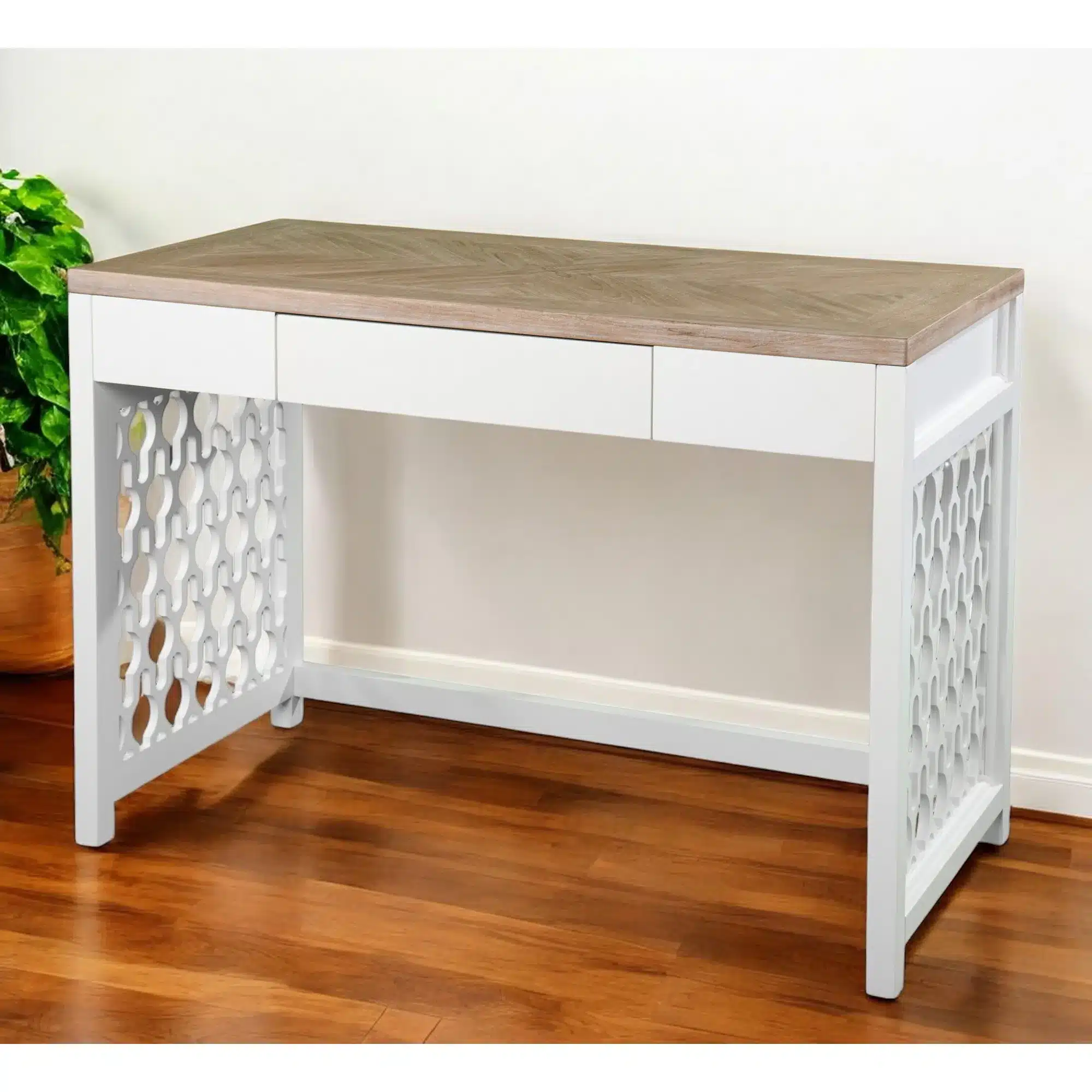
After reviewing dozens of options, we found a standout: the 43″ Solid Wood Natural and White Modern Design Writing Desk with Three Drawers Folding Computer Table Laptop Desk. It offers a spacious surface, three drawers for organization, and a stylish two-tone finish that fits both modern and classic interiors. The solid wood construction ensures durability, and the folding design is perfect for small spaces. It’s an excellent value for anyone seeking a reliable and attractive solid wood writing desk.
For more on the benefits of solid wood furniture, check out this article on wood.
43″ Solid Wood Natural and White Modern Design Writing Desk with Three Drawers Folding Computer Table Laptop Desk
If you’re looking for a practical and stylish option, the 43″ Solid Wood Natural and White Modern Design Writing Desk with Three Drawers Folding Computer Table Laptop Desk offers great value and functionality.
Frequently asked questions
What is the best wood for a writing desk?
Hardwoods like oak, maple, and walnut are the best for durability and longevity. They resist scratches and dents better than softwoods like pine. However, if you prefer a rustic look or have a lower budget, pine can still be a good option with proper care.
How deep should a writing desk be?
A depth of at least 24 inches is recommended to comfortably fit a monitor and keyboard. For more spacious writing, 30 inches is ideal. If you only use a laptop, you might get away with 20 inches, but deeper is always more comfortable.
Can I refinish a solid wood desk?
Yes, one of the advantages of solid wood is that it can be sanded and refinished multiple times. This allows you to change the color or restore it after years of wear. Veneers and particle board cannot be refinished.
How do I care for a solid wood desk?
Dust regularly with a soft, dry cloth. Use coasters for drinks and placemats for hot items. Wipe up spills immediately to prevent water stains. Avoid direct sunlight to prevent fading. Apply furniture polish or wax every few months to keep the wood moisturized.
