
Blog
The Walnut Writing Desk: A Buyer’s Guide
Buying Guide
Find Your Ideal Walnut Writing Desk
A walnut writing desk is more than just a piece of furniture; it’s an investment in your daily productivity and the aesthetic of your workspace. This guide will walk you through the key considerations to ensure you make a choice you’ll love for years.
Why Choose a Walnut Writing Desk?
Walnut is a premium hardwood prized for its rich, chocolate-brown hues and striking grain patterns. Unlike lighter woods like oak or maple, walnut adds warmth and depth to a room, making it a favorite among designers and homeowners alike. Its natural durability also means a well-made walnut desk can last for decades, becoming a cherished heirloom.
Beyond aesthetics, walnut is known for its stability, resisting warping and shrinking better than many other woods. This makes it an ideal material for a desk that needs to withstand daily use. Whether you’re writing, typing, or sketching, a walnut surface provides a smooth, sturdy workspace that feels substantial under your hands.
Solid Wood vs. Veneer: What’s the Difference?
When shopping for a walnut writing desk, you’ll encounter two main types of walnut construction: solid wood and veneer. Solid walnut means the entire desk is made from solid pieces of walnut lumber. This offers the best quality and longevity, but it comes at a higher price point and is heavier.
Veneer desks have a thin layer of real walnut glued over a core of plywood or MDF. This approach is more affordable and can still look beautiful, but it may not be as durable or easy to refinish. If you’re looking for a desk that will last a lifetime, solid wood is the way to go, but if you’re on a budget, a high-quality veneer can be a practical alternative.
Size and Proportions: Finding the Right Fit
Before you fall in love with a specific desk, measure your available space. A walnut writing desk should fit comfortably in your room without overwhelming it. Consider both the length and depth of the desk, and remember to leave at least 30 inches of clearance behind your chair for easy movement.
- Small spaces: Look for a desk around 40-50 inches wide and 20-24 inches deep.
- Standard desks: Usually 55-65 inches wide and 24-30 inches deep, offering ample workspace.
- Executive desks: Larger than 65 inches wide, providing plenty of room for multiple monitors and paperwork.
Also, check the height of the desk. The standard desk height is about 29 inches, but if you’re taller or shorter, you may need to adjust with a chair that fits or look for a desk with adjustable legs.
Design Styles: From Traditional to Modern
Walnut writing desks come in a variety of styles, so you can find one that matches your existing decor. For a classic look, choose a desk with ornate details, such as carved legs or a roll-top. For a more contemporary feel, opt for clean lines and minimal hardware.
One popular trend is the mid-century modern style, which features tapered legs and simple, functional designs. A walnut desk in this style can add a touch of retro elegance to your home office. On the other hand, a rustic or farmhouse style desk might have a more rugged appearance with visible wood grain and distressed finishes.
Consider the Shape
The shape of your desk also affects its functionality and style. A rectangular desk is the most common and versatile, while an L-shaped desk offers more surface area and can fit into a corner. If you have limited space, a compact writing desk with a hutch or drawers might be the best choice.
Storage: Drawers, Shelves, and Cable Management
Think about what you need to store within arm’s reach. A walnut writing desk with built-in drawers can keep your workspace tidy, holding pens, paper, and other essentials. Some desks come with a file drawer for hanging folders, which is handy for important documents.
Shelves or a hutch provide additional storage for books and decorative items. If you use a computer, look for desks with cable management features, such as grommet holes or a built-in cable tray, to keep cords organized and out of sight.
Finish and Maintenance: Protecting Your Investment
The finish on your walnut desk not only affects its appearance but also its durability. A matte finish highlights the natural grain, while a glossy finish gives a more polished look. Some finishes are more resistant to scratches and water damage, which is important if you tend to work with beverages nearby.
To keep your desk looking its best, use coasters under drinks and avoid placing hot items directly on the surface. Dust regularly with a soft cloth, and occasionally apply a quality wood polish recommended for walnut. With proper care, your desk will maintain its beauty for years.
Where to Place Your Walnut Desk
Placement is key to getting the most out of your walnut writing desk. Ideally, position it near a window for natural light, which can boost your mood and productivity. If that’s not possible, ensure you have adequate task lighting to avoid eye strain.
Consider the flow of the room. You don’t want your desk to block pathways or make the space feel cramped. Also, think about the wall behind the desk—a blank wall might be perfect for a pegboard, while a shelf could hold reference books.
For more inspiration on workspace design, you might find this Wikipedia article on home offices helpful.
Eco-Friendly and Sustainable Choices
If environmental impact is important to you, look for a walnut writing desk made from sustainably sourced wood. Many manufacturers now use wood certified by the Forest Stewardship Council (FSC), which ensures responsible forestry practices. Additionally, some desks are made from reclaimed walnut, giving new life to old wood and reducing waste.
Choosing a durable, long-lasting desk is also an eco-friendly choice, as it reduces the need for frequent replacements. By investing in a quality piece, you’re making a sustainable decision that benefits both your home and the planet.
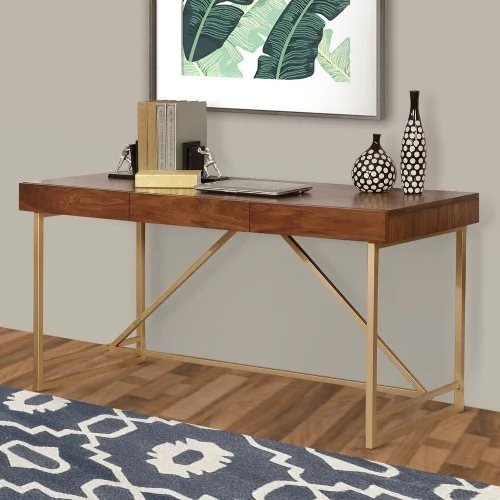
Modern Wooden Writing Desk with Metal Legs Walnut Brown Finish Storage Eco-Friendly & Durable for Home Office and Living Room
If you’re looking for a practical and stylish option, consider the Modern Wooden Writing Desk with Metal Legs in Walnut Brown Finish, which combines eco-friendly materials with a sturdy design.
Frequently asked questions
What is the best wood for a writing desk?
Walnut is a top choice for writing desks due to its strength, beauty, and stability. It resists warping and scratches, making it ideal for daily use. Other good options include oak, cherry, and maple, but walnut offers a unique rich color that many find appealing.
How thick should a walnut desk top be?
For a sturdy desk, a top thickness of at least 1 inch is recommended. Thicker tops (1.5 to 2 inches) provide extra durability and a more substantial feel, but they also add weight and cost. Consider your needs and budget when choosing.
Can I use a walnut desk for a computer setup?
Absolutely. A walnut writing desk can accommodate a computer monitor, keyboard, and other accessories. Look for features like cable management grommets and a sturdy frame to support heavy equipment. The desk’s size and shape should fit your specific setup.
How do I clean and maintain a walnut desk?
Dust your desk regularly with a soft, dry cloth. For spills, wipe immediately with a slightly damp cloth and dry thoroughly. Avoid harsh chemicals or abrasive cleaners. Periodically, apply a high-quality furniture polish or wax designed for walnut to nourish the wood and maintain its luster.
