
Blog
The Ultimate Guide to Choosing the Perfect Writing Desk
Buying Guide
Find Your Ideal Writing Desk for Every Need
A writing desk is more than just furniture; it’s a sanctuary for your thoughts. Whether you’re a student, a professional, or a hobbyist, the right writing desk can transform your productivity and comfort.
Why a Good Writing Desk Matters
A writing desk is where ideas come to life. It’s not just a piece of furniture; it’s a personal workspace that can influence your mood, focus, and even your posture. A well-chosen writing desk can make working from home a pleasure rather than a chore. Studies have shown that a dedicated workspace can boost productivity and creativity. According to Wikipedia, desks have been used for centuries to support writing and reading, evolving from simple tables to complex workstations.
But with so many options available, how do you choose the right one? This guide will walk you through the key factors to consider, from size and material to style and ergonomics, ensuring you make an informed decision.
Key Factors to Consider When Buying a Writing Desk
When shopping for a writing desk, several factors come into play. Here are the most important ones to keep in mind:
- Size and Space: Measure your room and consider the desk’s footprint. Ensure there’s enough space for your chair and movement.
- Material: Wood, metal, glass, and engineered wood each offer different aesthetics and durability.
- Storage: Do you need drawers, shelves, or a hutch? Think about what you’ll store.
- Style: From modern to traditional, choose a design that complements your decor.
- Ergonomics: The desk’s height should allow your arms to rest comfortably at a 90-degree angle.
Considering these factors will help you narrow down your options and find a writing desk that fits your lifestyle.
Different Types of Writing Desks
Writing desks come in various styles, each serving different purposes. Here are some common types:
Secretary Desks
Secretary desks feature a fold-down writing surface and often include cubbies or drawers. They’re perfect for small spaces and can be closed to hide clutter.
Computer Desks
Designed for computers, these desks often have cable management, keyboard trays, and monitor stands. They’re ideal for home offices.
Standing Desks
For health-conscious individuals, standing desks allow you to alternate between sitting and standing. They can improve posture and reduce back pain.
Corner Desks
Corner desks maximize space by fitting into a corner, providing a large work surface without taking up too much floor space.
Material Matters: Choosing the Right Desk Material
The material of your writing desk affects its durability, appearance, and price. Here’s a breakdown:
- Solid Wood: Classic and durable, solid wood desks are an investment. They can be refinished and last for decades.
- Engineered Wood: More affordable and often sturdy, but may not be as long-lasting as solid wood.
- Metal: Sleek and modern, metal desks are lightweight and easy to clean, but may dent.
- Glass: Elegant and easy to clean, but prone to fingerprints and can be fragile.
Your choice should balance aesthetics, budget, and usage. For a timeless look, solid wood is hard to beat.
Ergonomics: The Health Benefits of a Properly Fitted Desk
Ergonomics is crucial to prevent strain and injury. A writing desk that’s too high or too low can cause neck, shoulder, and back pain. Here are some tips:
- Desk Height: Your elbows should be at a 90-degree angle when typing. Most desks are around 29 inches high, but consider an adjustable desk if you’re taller or shorter.
- Monitor Level: The top of your monitor should be at or slightly below eye level.
- Chair Comfort: Invest in an ergonomic chair that supports your lower back.
Remember, a writing desk that fits your body is an investment in your health.
Style and Aesthetics: Matching Your Decor
Your writing desk should be a reflection of your personal style and blend with your room’s decor. Here are some popular styles:
- Modern: Clean lines, minimalistic, often with metal or glass elements.
- Traditional: Ornate details, rich woods, and classic designs.
- Rustic: Reclaimed wood, natural textures, and a cozy feel.
- Industrial: A mix of wood and metal, with a raw, urban look.
Choose a style that inspires you to work and makes your space feel inviting.
Budgeting for Your Writing Desk
Writing desks range from budget-friendly to high-end luxury. Set a budget before you start shopping to narrow down your options. Keep in mind that a desk is a long-term investment, so it might be worth spending a bit more for quality. However, there are great options at every price point.
Consider the cost of accessories like desk lamps, organizers, and cable management solutions when budgeting.
Final Thoughts: Making the Right Choice
Choosing the perfect writing desk is a personal decision. Take your time, measure your space, and consider your needs. Whether you’re looking for a compact desk for a small apartment or a grand desk for a home office, there’s a writing desk out there for you.
Remember, the best writing desk is one that you’ll love using every day. Happy hunting!
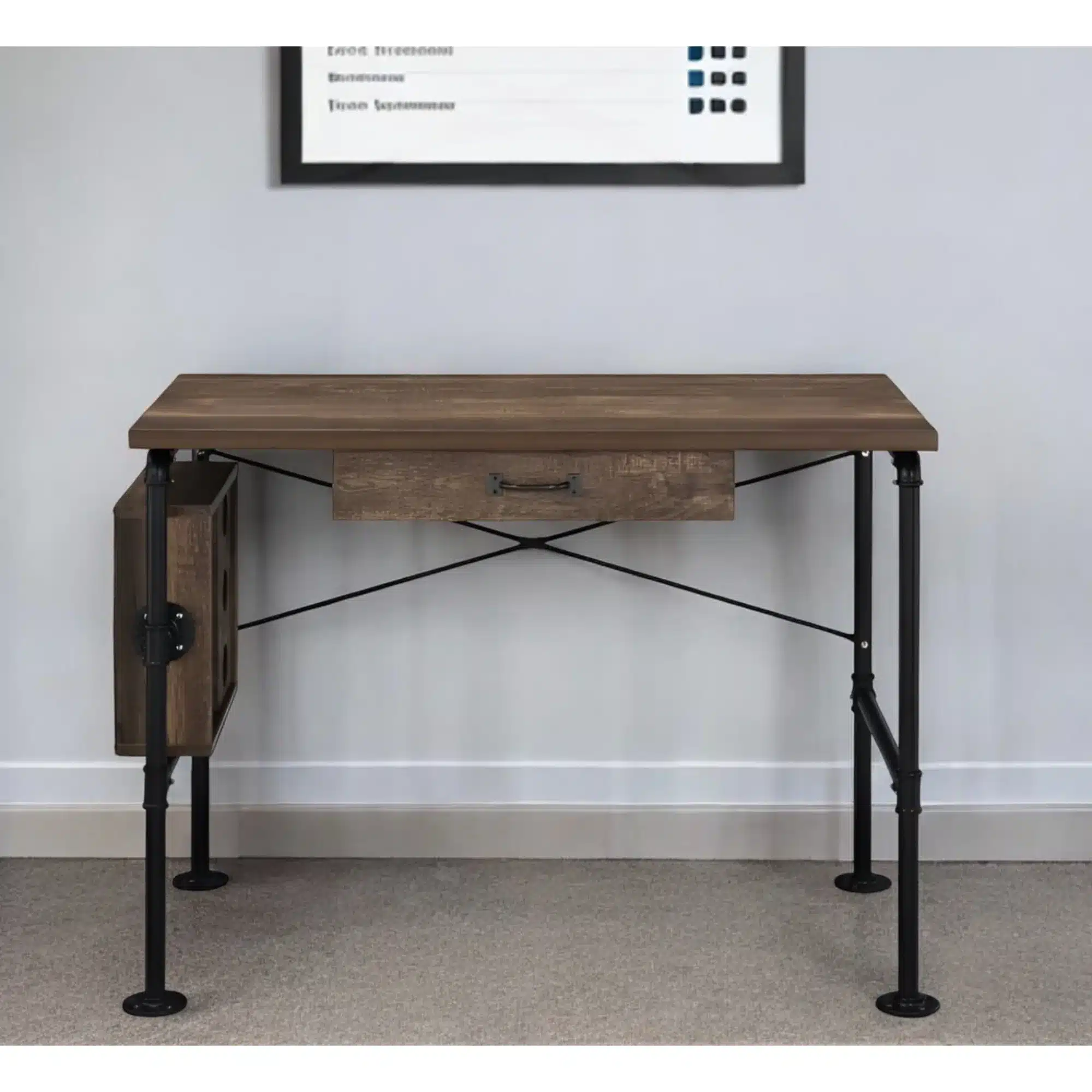
Brown and Black 39 Writing Desk Luxury Computer Table for Office or Bedroom General Use Office Furniture
For those seeking a blend of style and functionality, the Brown and Black 39 Writing Desk Luxury Computer Table offers a spacious surface and elegant design, perfect for any office or bedroom.
Frequently asked questions
What is the standard height for a writing desk?
The standard height for a writing desk is around 29 inches (74 cm) from the floor to the desktop. This height is comfortable for most people, but if you’re taller or shorter, you may need an adjustable desk or a custom height.
How much space do I need for a writing desk?
You should have at least 24 inches of depth for a comfortable writing surface, and about 48 inches of width for a standard desk. Also, leave about 36 inches behind the desk for chair clearance and movement.
What is the best material for a writing desk?
Solid wood is often considered the best for durability and timeless appeal, but engineered wood can be a budget-friendly alternative. Metal and glass are also options if you prefer a modern look. The best material depends on your style, budget, and usage.
How do I set up an ergonomic writing desk?
To set up an ergonomic writing desk, ensure the desk height allows your elbows to be at a 90-degree angle. Place your monitor at eye level, and use a chair that supports your lower back. Keep frequently used items within easy reach to avoid straining.
