
Blog
The Ultimate Guide to Choosing the Perfect Writing Desk
Buying Guide
Find Your Perfect Writing Desk for Every Need
A writing desk is more than just a piece of furniture; it’s where ideas take shape. Whether you’re a student, a remote worker, or a creative writer, the right desk can transform your productivity and comfort.
Why the Right Writing Desk Matters
Your writing desk is your command center. It’s where you pay bills, craft emails, or pen your novel. A well-chosen desk can boost your focus and reduce physical strain. On the other hand, a poor choice can lead to clutter, discomfort, and even back pain. Investing time in selecting the right one is investing in your well-being.
Consider how a desk affects your daily rhythm. A spacious surface allows you to spread out books and notes, while a compact one keeps essentials within arm’s reach. The right height and depth are crucial for ergonomic posture. And let’s not forget the aesthetic—your desk should inspire you every time you sit down.
Key Factors to Consider Before Buying
Before you start shopping, take a moment to assess your needs. Here are the essential factors to keep in mind:
- Space: Measure your room and think about the desk’s footprint. Do you need a corner desk or a wall-mounted option?
- Storage: Do you require drawers, shelves, or a hutch? Think about what you’ll store—pens, papers, or a printer.
- Style: The desk should complement your existing decor. Whether you prefer modern minimalism or rustic charm, there’s a design for you.
- Durability: Materials matter. Solid wood lasts longer, but engineered wood can be budget-friendly and sturdy.
- Ergonomics: Ensure the desk height works with your chair. Your elbows should rest at a 90-degree angle when typing.
By clarifying these points, you’ll narrow down your options and avoid being overwhelmed by the variety.
Materials: Wood, Metal, and More
The material of your writing desk affects its look, feel, and longevity. Here’s a breakdown of common options:
Solid Wood
Timeless and durable, solid wood desks (like oak or walnut) add warmth to any room. They can be refinished if scratched, but they’re heavier and pricier.
Engineered Wood
MDF or particleboard desks are affordable and come in many finishes. They’re lighter and easier to move, but less durable against moisture.
Metal
Industrial-style desks with metal frames are sturdy and modern. They often pair with wood or glass tops for a sleek look.
Glass
Glass desks create an illusion of space and are easy to clean. However, they show fingerprints and can be fragile.
Your choice should balance aesthetics, budget, and how much wear and tear the desk will endure.
Sizing and Ergonomics: Getting the Right Fit
A writing desk that’s too high or too low can cause neck and shoulder strain. The standard desk height is around 29 inches, but your ideal height depends on your own body. When seated, your feet should rest flat on the floor, and your forearms should be parallel to the ground.
Depth is another consideration. A depth of 24 to 30 inches gives you room for a monitor and keyboard without straining your eyes. If you have limited space, look for a compact desk with a smaller depth but still enough for your essentials.
Don’t forget about legroom. Ensure there’s enough space under the desk for your legs to move freely. If you’re tall, you might need an adjustable desk or a custom height.
Style and Aesthetics: Matching Your Decor
Your writing desk should blend with your room’s personality. For a modern look, go for clean lines and minimal hardware. If you prefer a traditional vibe, a wooden desk with carved details adds elegance. Scandinavian design emphasizes light woods and simplicity, while industrial style features exposed metal and raw wood.
Color also plays a role. A dark desk can anchor a room, while a white one makes a space feel airy. If you’re bold, a colorful desk can be a statement piece. Ultimately, choose a desk that makes you happy to sit down and work.
Storage Solutions: Keep Your Workspace Tidy
Clutter can hinder creativity. Think about what you need to store: stationery, documents, or tech gadgets. Desks come with various storage options:
- Drawers: Great for small items like pens, sticky notes, and cables.
- Shelves: Ideal for books, binders, or decorative pieces.
- Hutch: A hutch adds vertical storage and can hold a monitor or printer.
- Cable management: Look for desks with grommet holes or trays to keep cords organized.
Assess your daily workflow. If you rely on many tools, ensure your desk has enough storage to keep them accessible yet out of sight.
Budgeting and Value: What to Expect
Writing desks range from budget-friendly to high-end. Set a realistic budget based on your needs and the quality you expect. A solid wood desk might cost more upfront but could last decades, while a cheaper desk might need replacing sooner.
Consider the value beyond the price tag. Does the desk have features that will improve your work life, like an adjustable shelf or a durable finish? Sometimes spending a little more saves you money in the long run.
Remember, a good writing desk is an investment in your productivity. It’s worth allocating a reasonable portion of your budget to get something that truly serves you.
Common Mistakes to Avoid When Buying a Desk
Even seasoned shoppers can overlook important details. Here are pitfalls to watch out for:
- Ignoring measurements: Always measure your space and the desk itself, including the height and depth.
- Forgetting about assembly: Some desks require complex assembly. Check reviews for ease of setup.
- Overlooking stability: A wobbly desk is frustrating. Look for sturdy construction and solid materials.
- Not considering your chair: Your desk and chair should work together. Ensure the heights are compatible.
- Skipping ergonomics: Don’t sacrifice comfort for style. Your body will thank you.
By avoiding these mistakes, you’ll be happier with your purchase.
Final Thoughts: Making the Right Choice
Choosing a writing desk is a personal decision. It’s about finding a piece that fits your space, supports your work, and reflects your style. Take your time, do your research, and don’t rush. The right desk will be a faithful companion for years of writing, working, and dreaming.
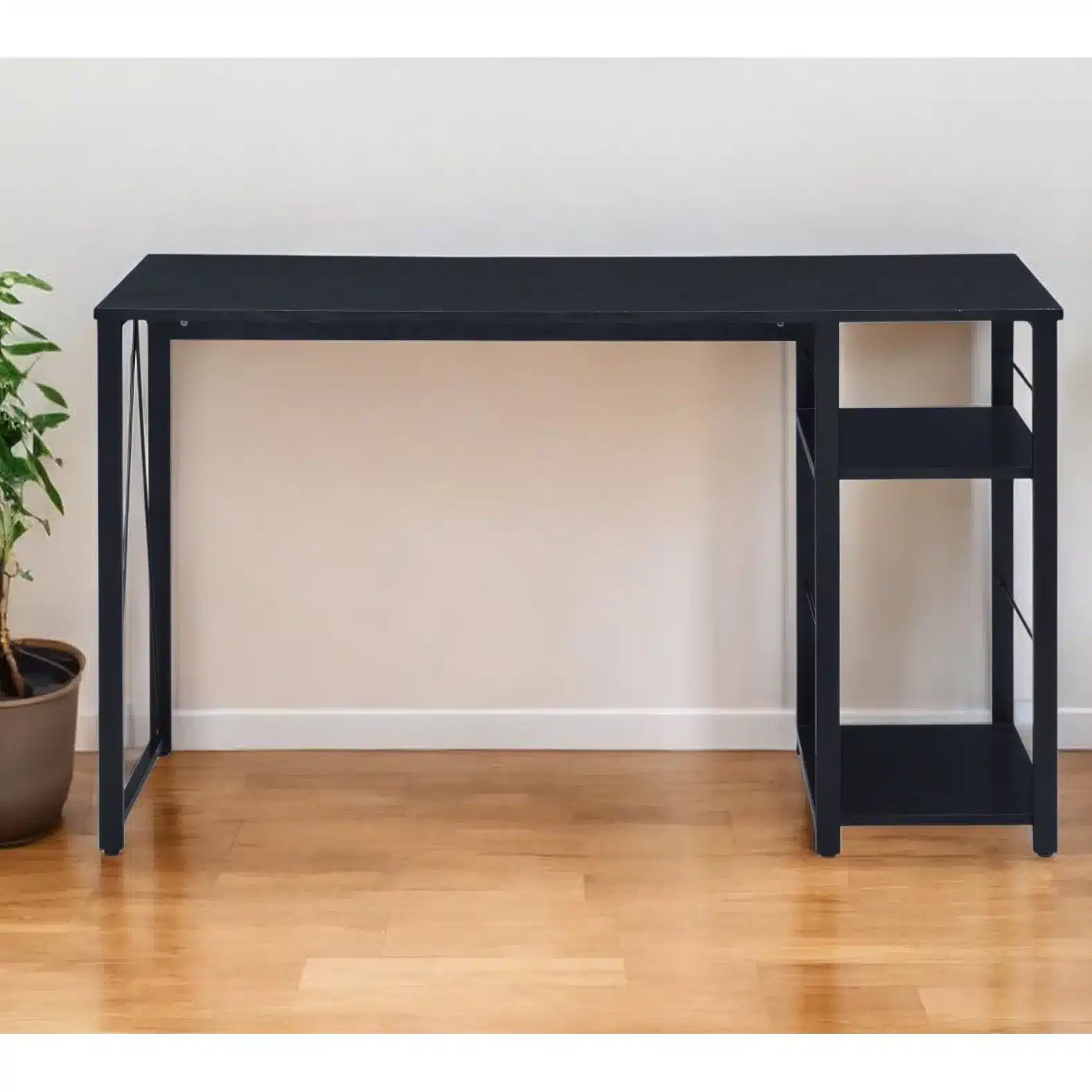
For a great starting point, consider the history and evolution of desks to appreciate the variety available today. And when you’re ready, explore options that combine functionality with design, like our own 47″ Simple Design Black Wooden Writing Desk with Adjustable Shelf, which offers both style and practicality for any room.
47″ Simple Design Black Wooden Writing Desk with Adjustable Shelf for Office Bedroom Living Room or Dining Use
If you’re looking for a versatile and stylish option, the 47″ Simple Design Black Wooden Writing Desk with Adjustable Shelf fits seamlessly into any room, offering both function and form.
Frequently asked questions
What is the standard height for a writing desk?
The standard height is around 29 inches, but it varies based on your chair and body. Your elbows should be at a 90-degree angle when typing, and your feet flat on the floor.
How much space do I need for a writing desk?
Measure your room and consider the desk’s footprint. A depth of 24-30 inches and a width of at least 40 inches is comfortable for most tasks. Ensure you have enough legroom.
What is the best material for a writing desk?
It depends on your budget and style. Solid wood is durable and timeless, while engineered wood is affordable. Metal and glass offer modern aesthetics but may have trade-offs in durability.
How can I make my writing desk more ergonomic?
Adjust your chair height so your feet rest flat, and your forearms are parallel to the ground. Use a monitor stand to keep the top of your screen at eye level. Consider an adjustable desk if you vary between sitting and standing.
