
Blog
The Ultimate Computer Desk Buying Guide for 2024
Buying Guide
Your Complete Computer Desk Buying Guide
Choosing the right computer desk can transform your workspace and productivity. In this guide, we’ll walk you through everything you need to consider.
Why Your Computer Desk Matters
Your computer desk is more than just a piece of furniture; it’s the command center of your digital life. A well-chosen desk can boost your focus, reduce physical strain, and even elevate the style of your room. Conversely, a poor choice can lead to discomfort and clutter.
Whether you’re a remote worker, a gamer, or a student, the right desk sets the stage for productivity. Let’s dive into the key factors to consider.
Measure Your Space First
Before you browse options, measure the area where you plan to place your computer desk. Consider both the footprint and the clearance needed for a chair. A desk that’s too large can overwhelm a room, while one that’s too small might feel cramped.
- Length: Ensure it fits your monitor(s), keyboard, and other essentials.
- Depth: You need enough room to reach your screen comfortably without straining.
- Height: Standard desks are around 29-30 inches, but your chair height matters too.
Also, think about the flow of the room. Leave at least 3 feet of walking space behind the chair for easy movement.
Materials: Form vs. Function
The material of your computer desk affects its durability, aesthetics, and price. Here are common options:
- Solid Wood: Classic, sturdy, and long-lasting. It can be heavy and expensive but adds warmth to any space.
- Metal: Sleek and industrial, often used in modern designs. It’s durable and can support heavy loads.
- Glass: Lightweight and easy to clean, but may show fingerprints and can be fragile.
- MDF or Particle Board: Budget-friendly and available in many finishes, but less durable than solid wood.
Consider your lifestyle: do you need a surface that resists scratches or stains? If you have kids or pets, a more durable material might be wise.
Ergonomics: Comfort for Long Hours
If you spend hours at your computer, ergonomics should be a top priority. An ergonomic setup helps prevent neck, back, and wrist pain. Key features to look for:
- Adjustable height: Sit-stand desks are popular for their health benefits.
- Keyboard tray: Keeps your wrists in a neutral position.
- Cable management: Keeps cords tidy and out of the way.
- Edge shape: A contoured or rounded edge reduces pressure on your forearms.
Remember, your monitor should be at eye level, and your feet flat on the floor. A desk that’s too high or low can cause discomfort over time.
Style and Aesthetics
Your computer desk should complement your room’s decor. Whether you prefer minimalist, rustic, or industrial, there’s a desk to match. Consider the color, finish, and design details.
For a cohesive look, think about the other furniture in the room. A wooden desk might pair well with bookshelves, while a metal desk could suit an urban loft. Don’t forget about storage: drawers and shelves can keep your workspace organized and stylish.
Budget: Getting the Best Value
Computer desks range from under $100 to over $1,000. Set a budget before you shop, but also consider the long-term value. A slightly higher investment in a durable desk can save you from replacing it in a few years.
Look for sales, but be wary of extremely cheap options that might wobble or degrade quickly. Read reviews to gauge reliability.
Additional Features to Consider
Modern desks come with a variety of extras that can enhance your experience:
- Built-in USB ports and power outlets
- Wireless charging surfaces
- Adjustable shelves and monitor stands
- Grommet holes for cable management
Think about what you need now and what you might need in the future. A desk with some flexibility can adapt to your changing work habits.
Final Tips for Choosing the Perfect Desk
To sum up, start by measuring, then prioritize ergonomics, choose a material that fits your lifestyle, and select a style that inspires you. Don’t forget to read customer reviews and check the warranty.
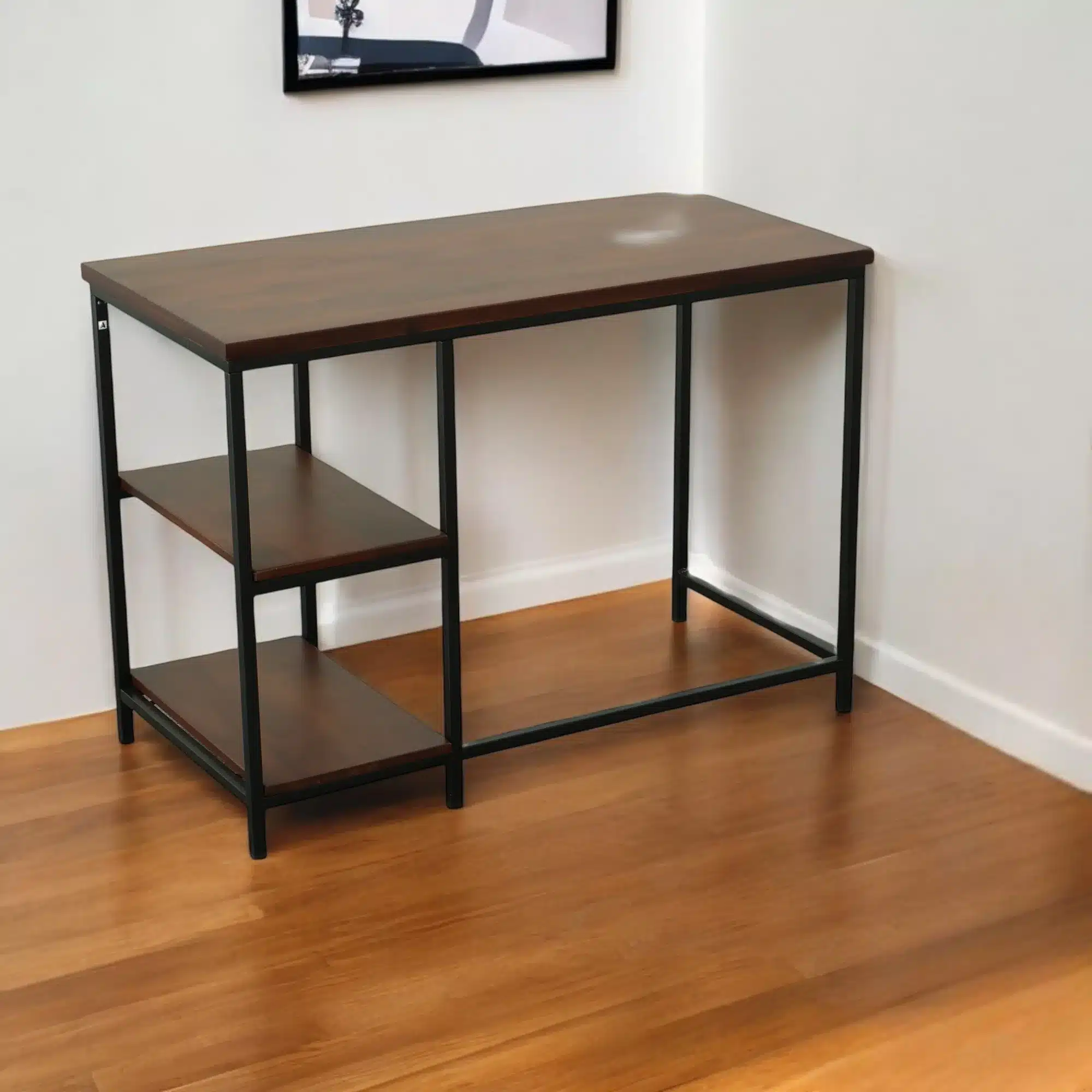
If you’re looking for a sturdy and stylish option, consider our 42″ Chestnut and Black Solid Wood and Metal Computer Desk. It combines the warmth of wood with the strength of metal, and it’s designed for comfort and durability.
42″ Chestnut and Black Solid Wood and Metal Computer Desk
For a blend of durability and style, our 42″ Chestnut and Black Solid Wood and Metal Computer Desk is a solid choice.
Frequently asked questions
What is the ideal height for a computer desk?
The standard desk height is around 29-30 inches, which suits most adults. However, the ideal height depends on your own height and chair. Your elbows should be at a 90-degree angle when typing, and your feet should rest flat on the floor.
How much space do I need for a computer desk?
It depends on your setup. For a single monitor, a desk that is at least 40 inches wide and 20 inches deep is a good starting point. If you have multiple monitors or need space for paperwork, consider a larger desk. Always measure your room to ensure a comfortable fit.
What is the best material for a computer desk?
Solid wood is durable and classic, while metal offers a modern look and strength. Glass is easy to clean but can be fragile. MDF is budget-friendly but less sturdy. Choose based on your style, budget, and how much wear and tear the desk will receive.
Should I get a sit-stand desk?
Sit-stand desks can improve posture and reduce the risks of prolonged sitting. If you spend long hours at your computer and have the budget, they are a great investment. However, they are often more expensive and require a bit more setup.
