
Blog
Best Cutlery & Knives: Top 6 Picks for Your Kitchen
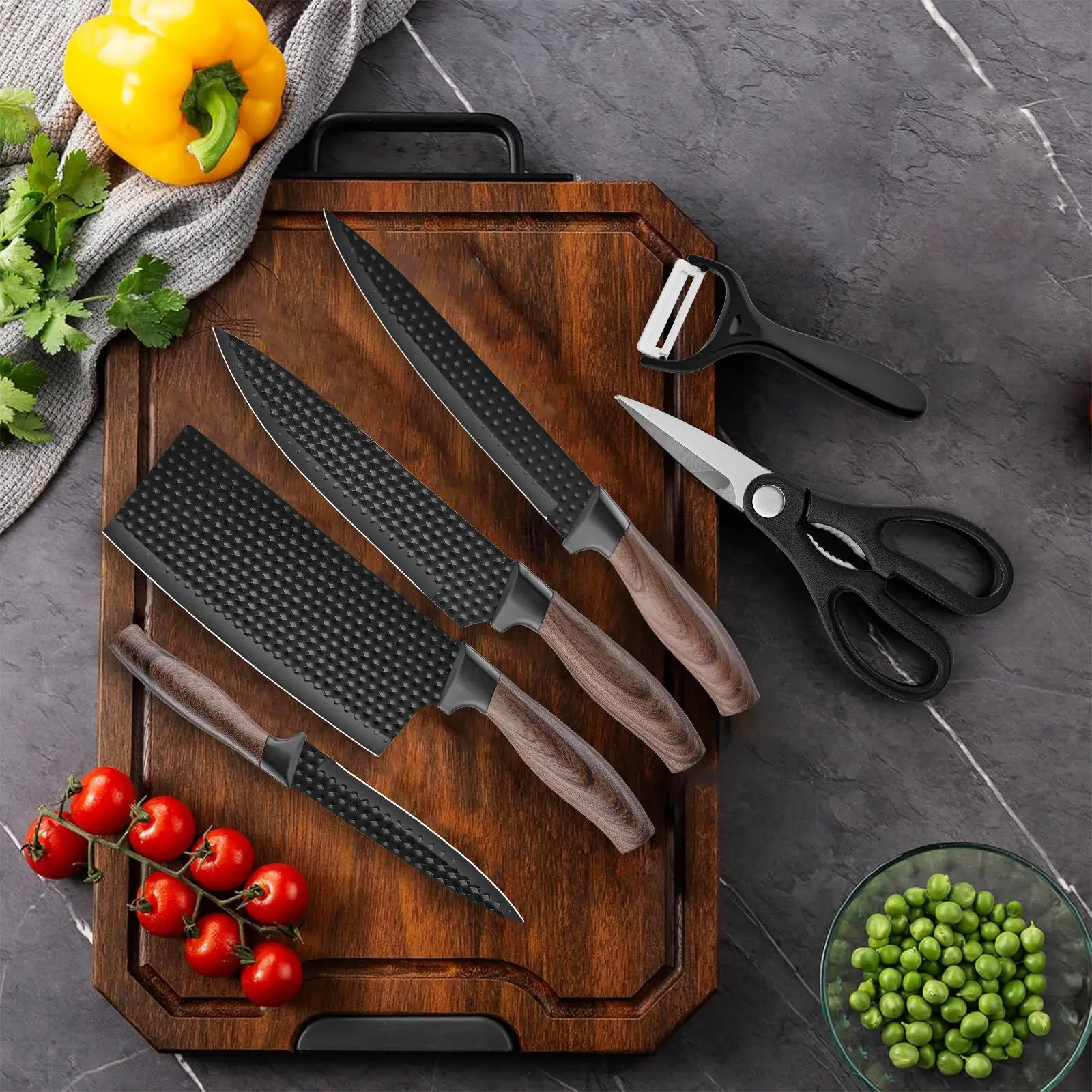
A great kitchen starts with great knives. Whether you’re a home cook or a professional chef, the right cutlery makes all the difference. We’ve rounded up the best knives and sets that combine performance, durability, and style. From Damascus steel beauties to versatile stainless steel sets, there’s something for every kitchen. Let’s find your perfect match.
How to Choose the Right Knife Set
When selecting a knife set, consider your cooking habits. If you prepare a variety of foods daily, a comprehensive set with multiple knives is ideal. For minimalists, a few high-quality knives might suffice. Look for sets that include essential knives like a chef’s knife, paring knife, and serrated knife for bread. Also, think about storage – a knife block or magnetic strip keeps your blades safe and accessible.
Understanding Knife Sizes and Their Uses
Knife sizes matter for different tasks. A chef’s knife (8-10 inches) is versatile for chopping, slicing, and mincing. A santoku (5-7 inches) is great for vegetables and boneless meats. Paring knives (3-4 inches) handle intricate tasks like peeling and deveining. Bread knives have a serrated edge for slicing crusty loaves without crushing. Choose sizes that feel comfortable in your hand and match your cutting style.
Materials: Blade and Handle
Blades are typically made from stainless steel, high-carbon steel, or Damascus steel. Stainless steel is rust-resistant and easy to maintain. High-carbon steel holds a sharp edge longer but requires more care. Damascus steel is prized for its beauty and durability, with layers that create a distinctive pattern. Handles come in wood, plastic, or metal. Wood handles are classic but need oiling; plastic is low-maintenance; metal offers a modern look but can be slippery. Choose a material that feels secure and comfortable.
Styles: Western vs. Japanese
Western knives have a curved edge and are heavier, suited for rocking cuts. Japanese knives are lighter with a straighter edge, ideal for precise, straight cuts. They are often sharper and thinner. Consider your cutting technique – if you prefer a rocking motion, go Western; if you favor push cuts, go Japanese. Many modern knives blend both styles, offering versatility.
Caring for Your Knives
Proper care extends the life of your knives. Always hand wash and dry immediately, as dishwashers can damage blades and handles. Use a honing rod regularly to maintain the edge, and sharpen with a whetstone or professional service when needed. Store knives in a block, on a magnetic strip, or with blade guards to protect both the blade and your hands. With good care, your knives will serve you for years.
Our Top Picks
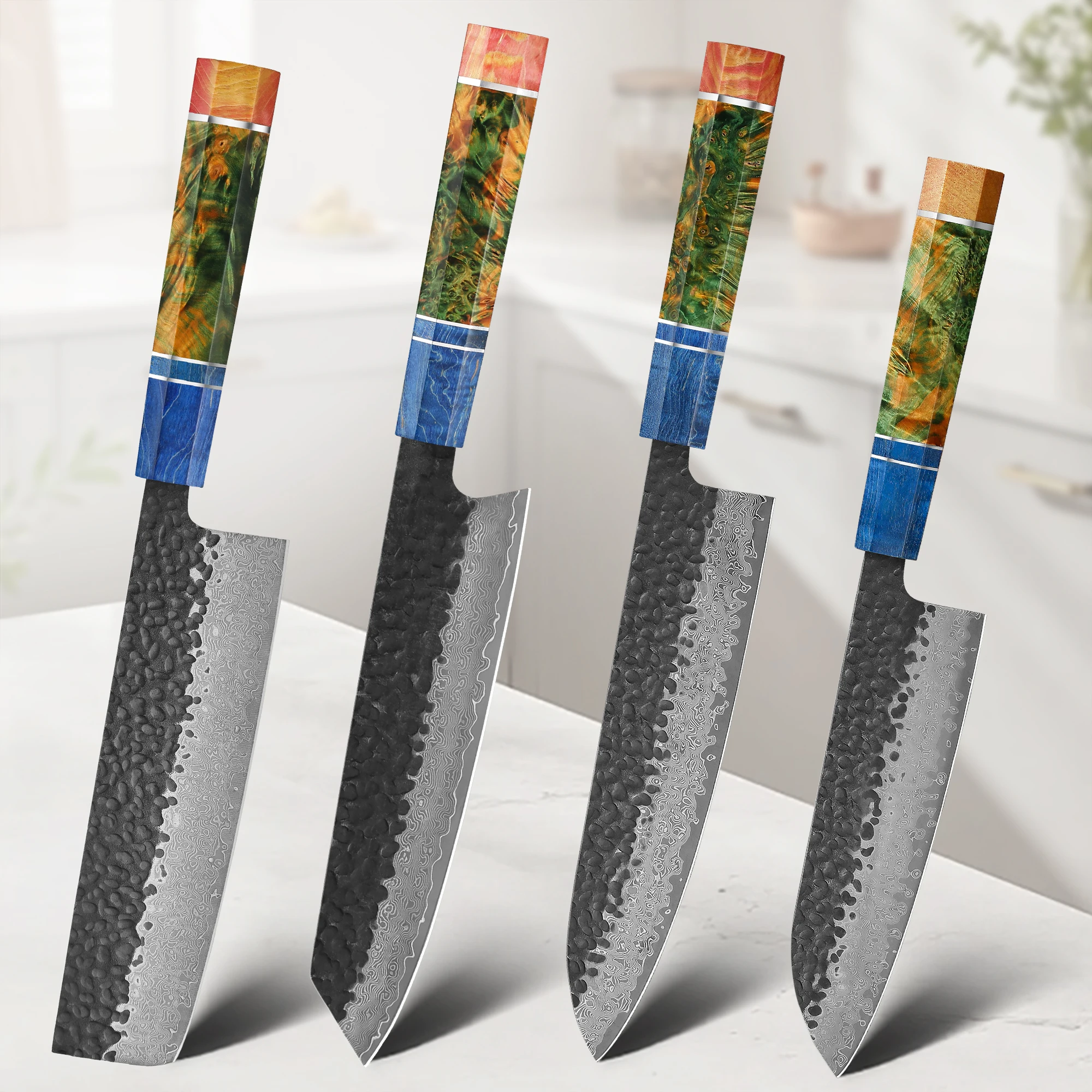

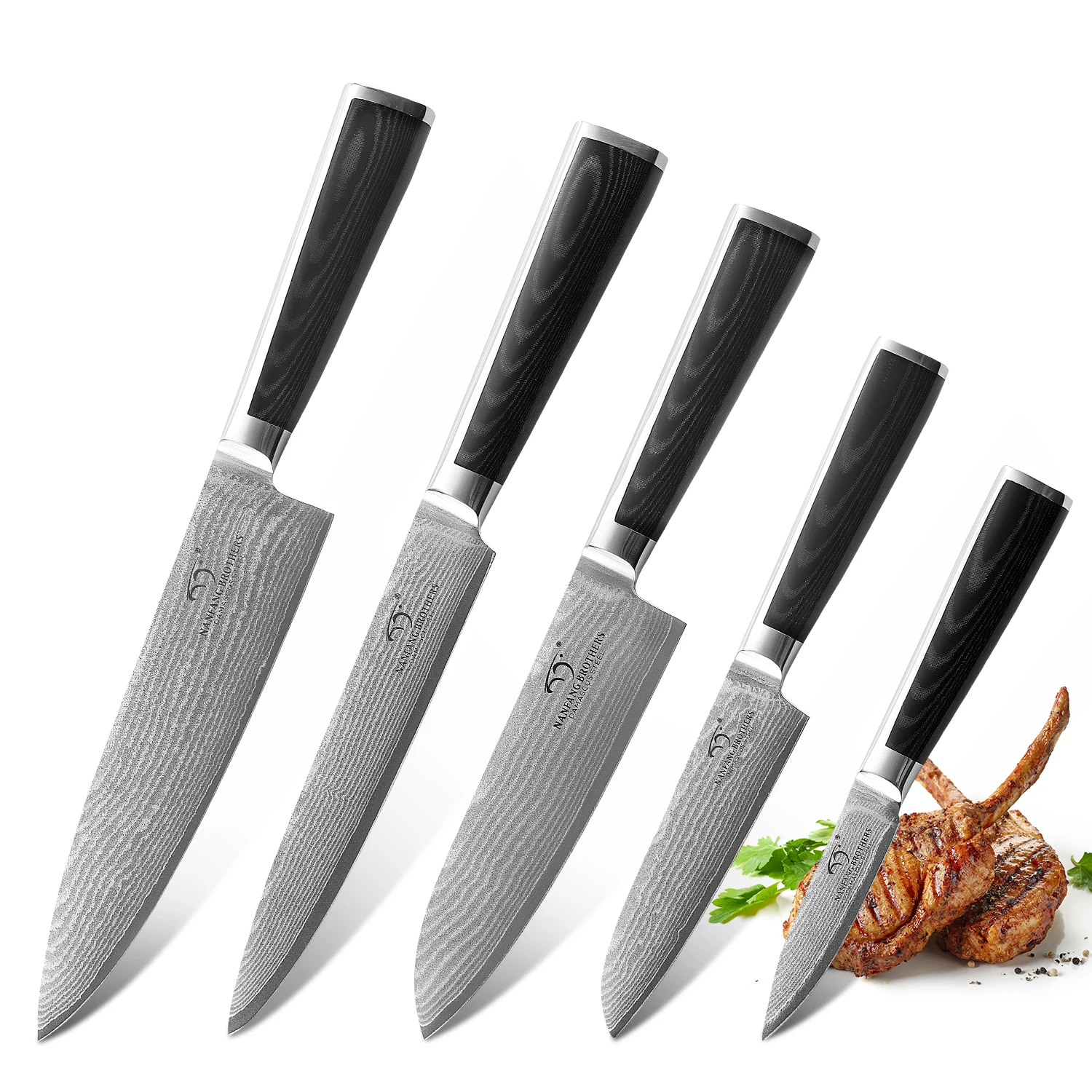
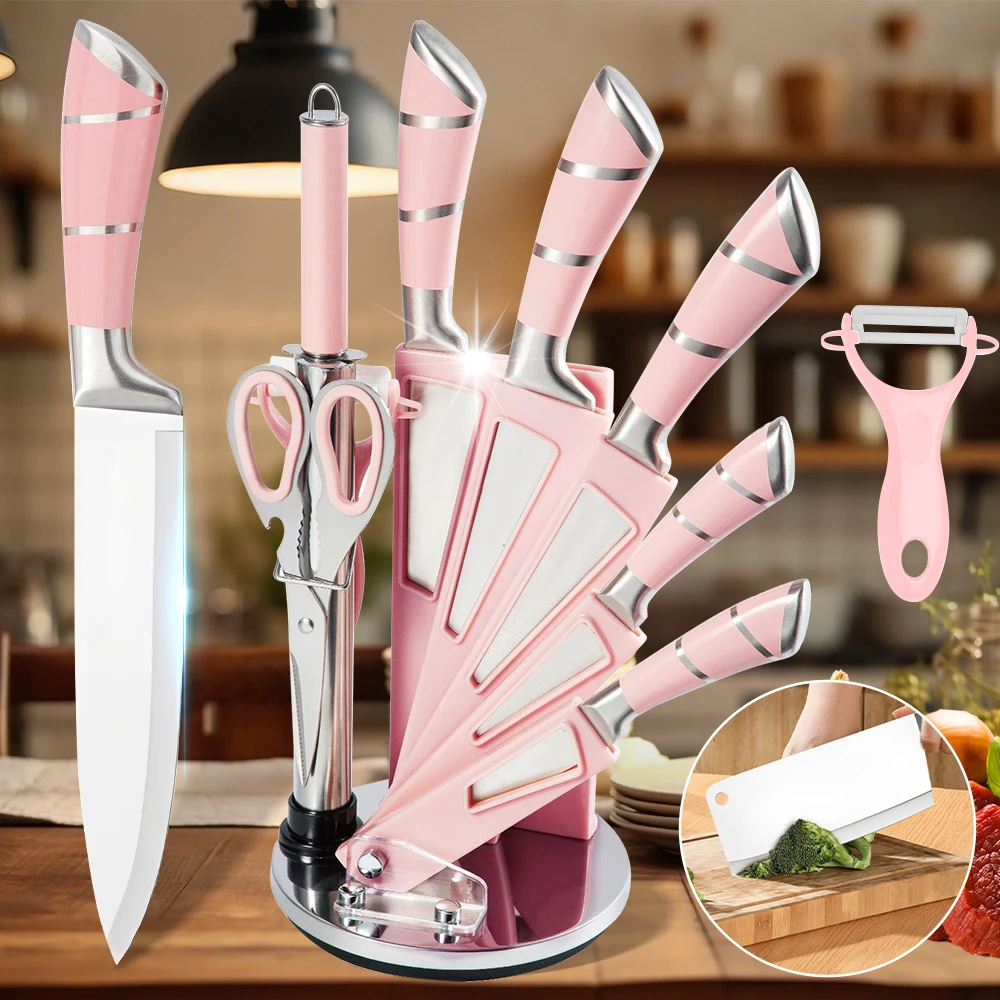

Find your perfect knife set at Goldoma and elevate your cooking experience.
