
Blog
The Best Cutlery & Knives for Your Kitchen: Top Picks for Every Cook
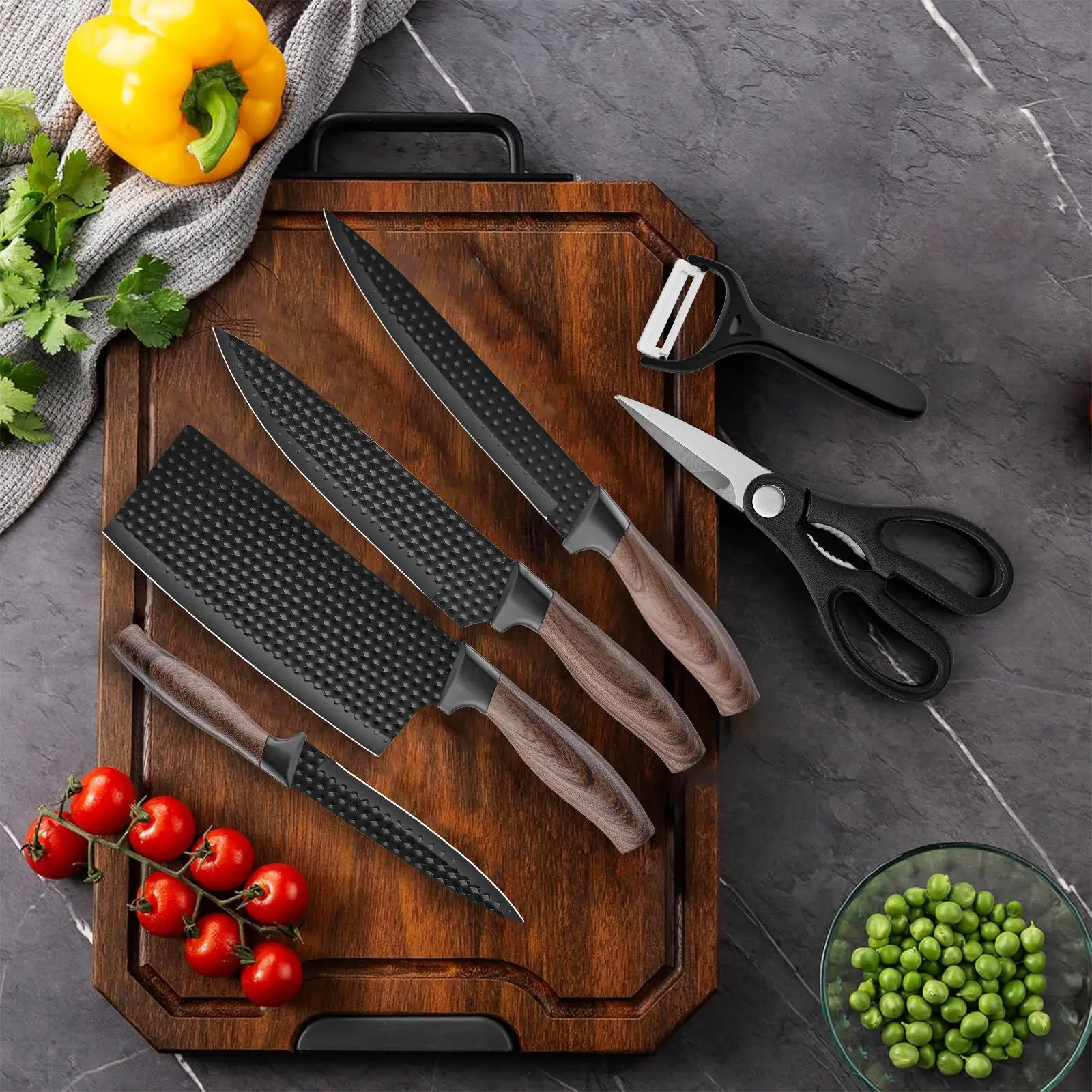
A great knife is the heart of a well-equipped kitchen. Whether you’re a seasoned home chef or just starting your culinary journey, the right cutlery can elevate your cooking experience, making prep faster, safer, and more enjoyable. In this guide, we’ve curated a selection of top-quality knives and sets that balance performance, durability, and style. From professional-grade Damascus steel to versatile stainless steel sets, there’s something for every kitchen and budget. Let’s find your perfect match.
How to Choose the Right Knife Set
When selecting a knife set, consider your cooking habits and needs. A basic set typically includes a chef’s knife, a paring knife, and a serrated bread knife. More comprehensive sets add utility knives, santoku, and sometimes kitchen shears. If you cook frequently and use a variety of knives, a larger set offers convenience and storage. However, if you have limited space or prefer minimalist tools, a smaller set or individual knives might be better. Think about what you’ll actually use to avoid clutter.
Understanding Knife Sizes and Their Uses
Knife size matters for different tasks. A chef’s knife (8-10 inches) is versatile for chopping, slicing, and dicing. A santoku (5-7 inches) is a Japanese-style all-purpose knife with a shorter, wider blade, excellent for slicing and mincing. Paring knives (3-4 inches) are perfect for peeling and intricate work. Bread knives (8-10 inches) have serrated edges for slicing through crusty loaves without crushing them. Utility knives (4-6 inches) bridge the gap between paring and chef’s knives. Choose sizes that feel comfortable and suit your cutting style.
Materials: Steel, Damascus, and Handles
Knife blades are typically made from stainless steel or high-carbon steel. Stainless steel is rust-resistant and easy to maintain, while high-carbon steel holds an edge longer but requires more care. Damascus steel is known for its beautiful wavy patterns and excellent sharpness, often made by layering different steels. It’s both functional and artistic. Handles come in various materials: wood (like walnut or micarta) offers warmth and grip, while ABS plastic or stainless steel are durable and easy to clean. Consider balance and comfort—the handle should feel secure in your hand.
Styles: Western vs. Japanese Knives
Western knives (like German styles) are typically heavier, with a curved blade that allows for a rocking motion. They are durable and versatile. Japanese knives are often lighter, with thinner blades that are exceptionally sharp, ideal for precise cuts. They are usually single-beveled (sharpened on one side) and require more care. Styles like santoku, nakiri, and kiritsuke are popular. Choose based on your cutting technique and comfort. Many cooks enjoy having both styles for different tasks.
Caring for Your Knives
Proper care extends the life of your knives. Always hand wash with mild soap and dry immediately; avoid dishwashers as they can dull blades and damage handles. Store knives in a block, on a magnetic strip, or with blade guards to protect edges. Hone regularly with a honing steel to keep the edge aligned, and sharpen periodically with a whetstone or professional service. Use a cutting board made of wood or plastic—avoid glass or stone. With care, your knives will remain sharp and beautiful for years.
Our Top Picks
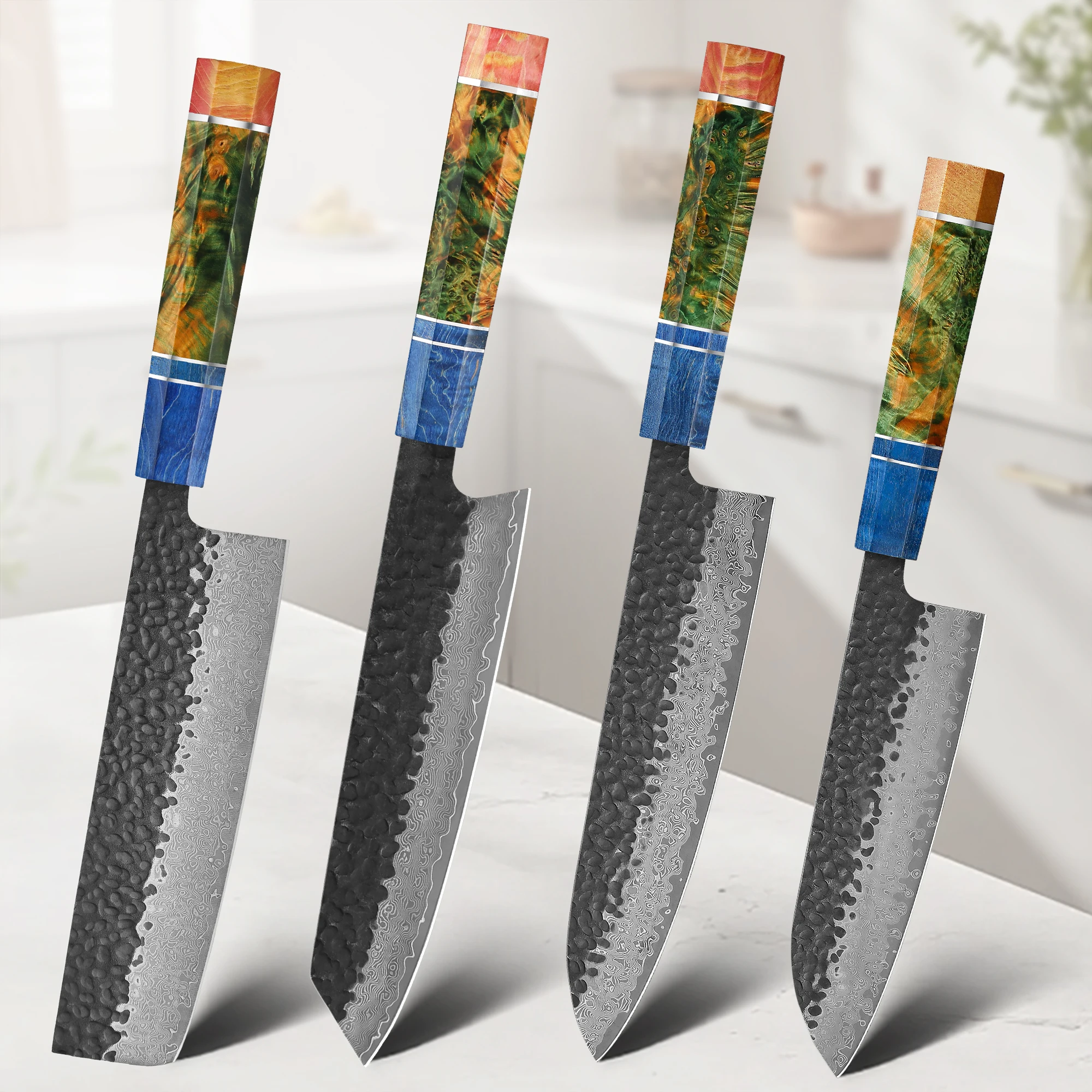

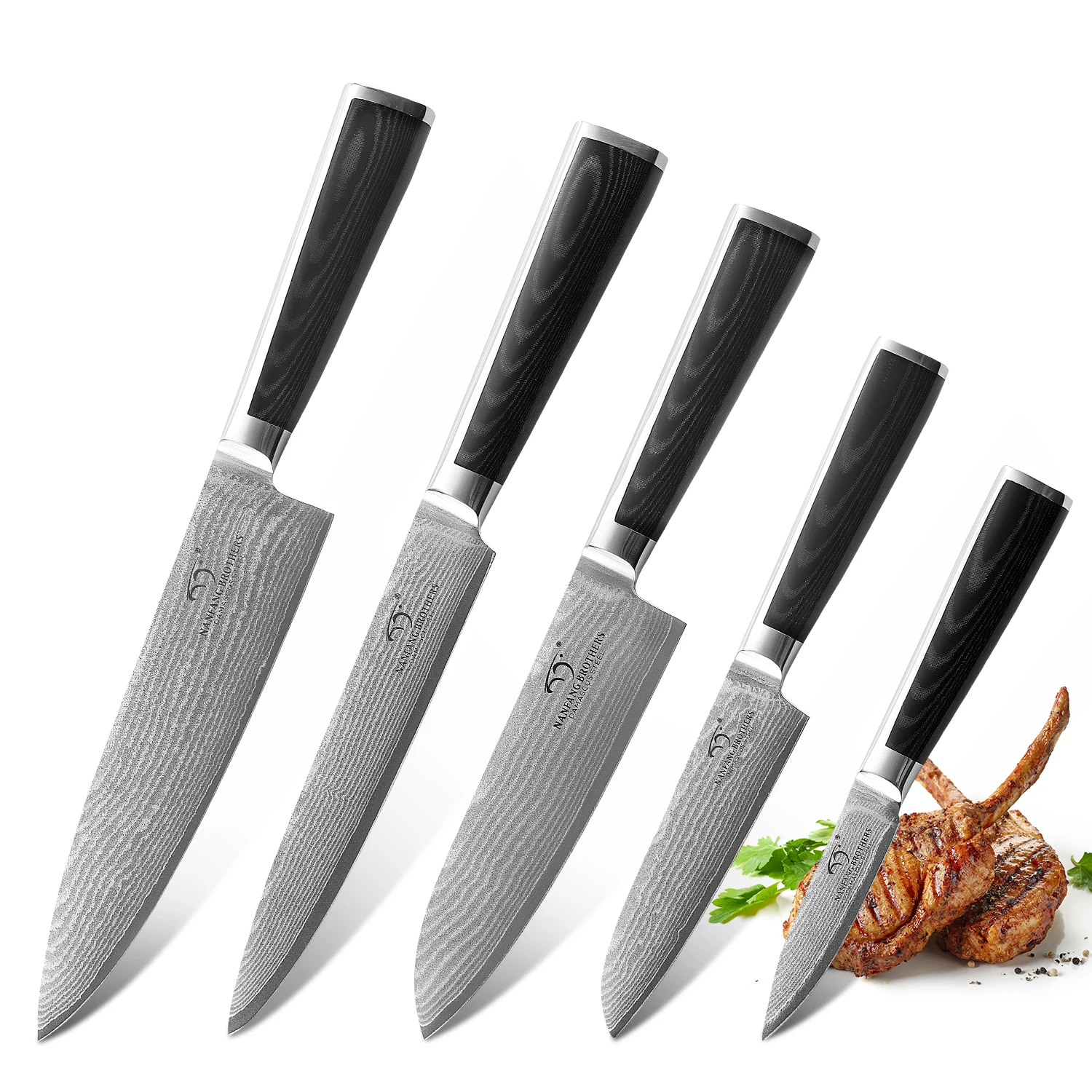
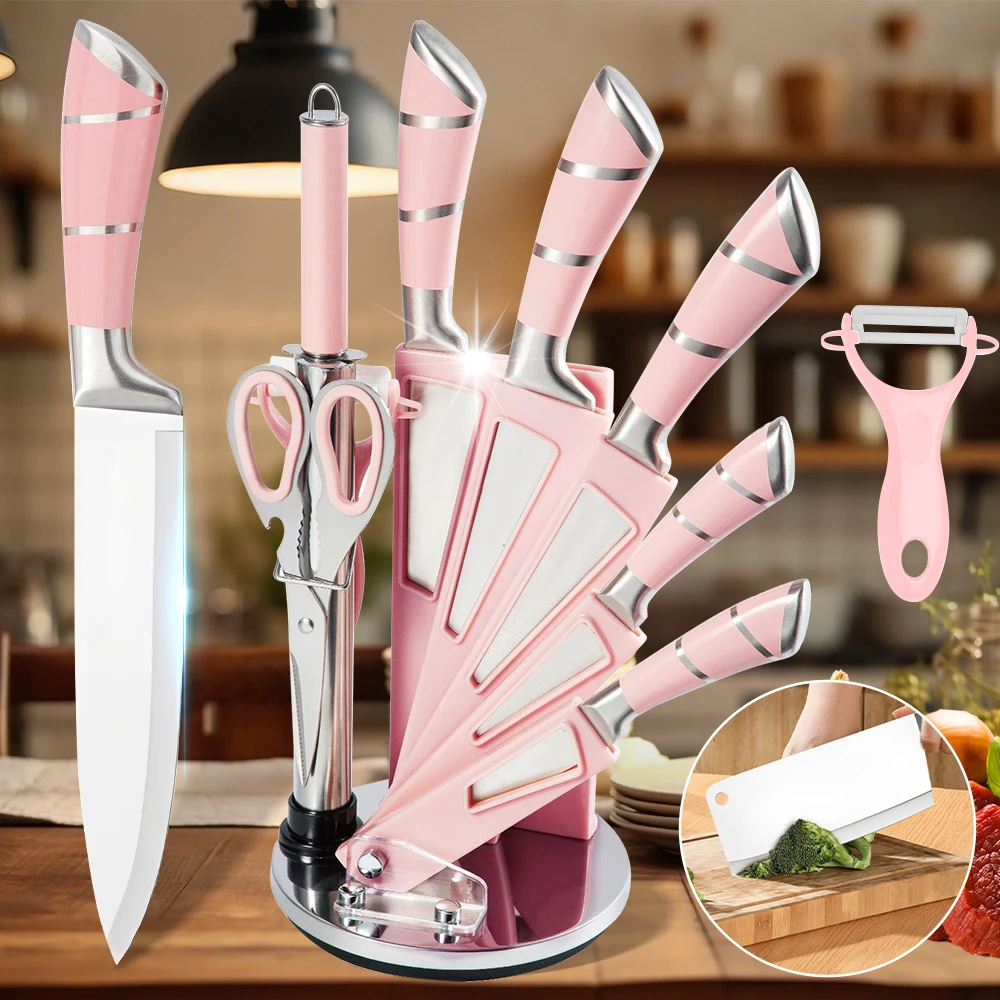

Explore our full collection of cutlery and knives to find the perfect addition to your kitchen.
