
Blog
The Best Outdoor Benches for Every Garden Style
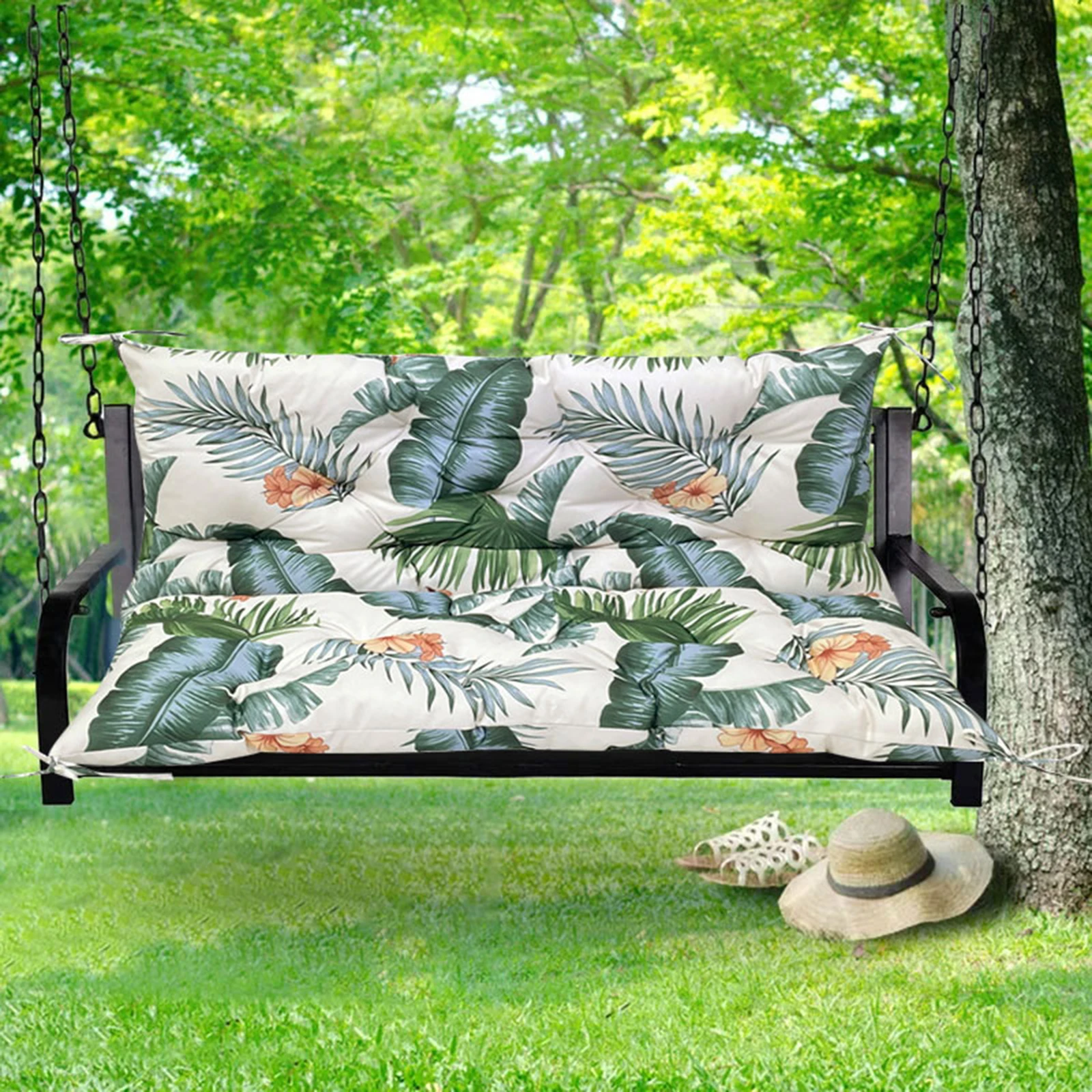
An outdoor bench is more than just a place to sit—it’s an invitation to slow down, breathe in the fresh air, and savor the moment. Whether you’re looking to create a cozy reading nook, a welcoming entryway accent, or a sturdy gathering spot for family meals, the right bench can transform your outdoor space. But with so many options available, finding the perfect one can feel overwhelming. That’s why we’ve curated a selection of the best outdoor benches across styles and materials, and we’re here to guide you through the process. From classic wood to elegant cast aluminum, we’ll help you choose a bench that not only suits your needs but also enhances your garden’s beauty for years to come.
How to Choose the Perfect Outdoor Bench
Before you fall in love with a design, consider the primary purpose of your bench. Will it be a quiet spot for morning coffee, a lively gathering place for friends, or a decorative accent that anchors a flower bed? Your answer will guide your choices in size, material, and style. Next, think about placement: a bench under a shady tree needs different treatment than one on a sunny patio. Also, consider the surrounding decor—do you prefer a rustic, natural look or a sleek, modern feel? By defining your needs and style preferences upfront, you’ll narrow down the options and make a choice you’ll love for years.
Sizes & Proportions: Finding the Right Fit
Outdoor benches typically seat two to three people, but dimensions can vary widely. A standard two-seater is around 48 inches wide, while a three-seater can be 60 inches or more. Measure your intended space carefully, leaving at least 18 inches of clearance behind the bench for comfortable movement. Also, consider the seat height—about 18 inches is standard, but you might prefer a slightly lower or higher seat depending on your height. Don’t forget to factor in armrests, which can add a few inches to the overall width. And if you plan to add cushions, account for that extra depth. A well-proportioned bench should feel inviting, not cramped or lost in the landscape.
Materials: Durability & Aesthetics
The material of your bench determines its longevity, maintenance, and visual appeal. Wood (such as teak, cedar, or acacia) offers timeless warmth and blends naturally with outdoor settings. Teak is prized for its high oil content and resistance to rot, making it a top choice for all-weather durability. Metal benches—whether wrought iron, cast aluminum, or steel—provide strength and intricate designs, but require rust protection and may heat up in direct sun. Cast aluminum is lightweight and rust-resistant, ideal for ornate styles. Mixed materials combine the best of both worlds, like a wooden seat with a metal frame, offering comfort and structural integrity. Consider the climate you live in: humid areas may favor aluminum or teak, while dry climates can handle more porous woods. Also, think about how much maintenance you’re willing to do—teak can be left to weather naturally, while painted metal may need occasional touch-ups.
Styles: From Classic to Contemporary
Your bench should reflect your personal taste and complement your home’s architecture. Classic designs often feature curved lines, scrolled arms, and ornate details—think Victorian or French country. Modern benches boast clean lines, minimalist frames, and often use materials like steel or teak with sleek profiles. Rustic styles embrace natural wood with a rough-hewn finish, perfect for cottage gardens or woodland settings. Traditional Chinese or Asian-inspired benches bring a unique cultural flair with latticework and dark finishes. Don’t be afraid to mix styles—a modern bench can add a striking contrast to a traditional garden, while a classic bench can soften a contemporary patio. The key is to create a cohesive look that feels intentional and inviting.
Care & Maintenance: Extending the Life of Your Bench
Proper care will keep your bench beautiful and functional for decades. For wood benches, clean regularly with a mild soap and water solution, and apply a protective sealant or teak oil once or twice a year to prevent drying and cracking. If you leave it to weather naturally, it will turn a silvery gray, which many find charming. For metal benches, wipe down with a damp cloth and check for rust spots periodically. If rust appears, sand it gently and touch up with a rust-inhibitive paint. For cushions, choose weather-resistant fabrics and store them indoors when not in use, or use a waterproof cover. In harsh winter climates, consider moving your bench to a sheltered area or covering it with a breathable tarp. By giving your bench a little TLC, you’ll enjoy its comfort and beauty for many seasons.
Our Top Picks
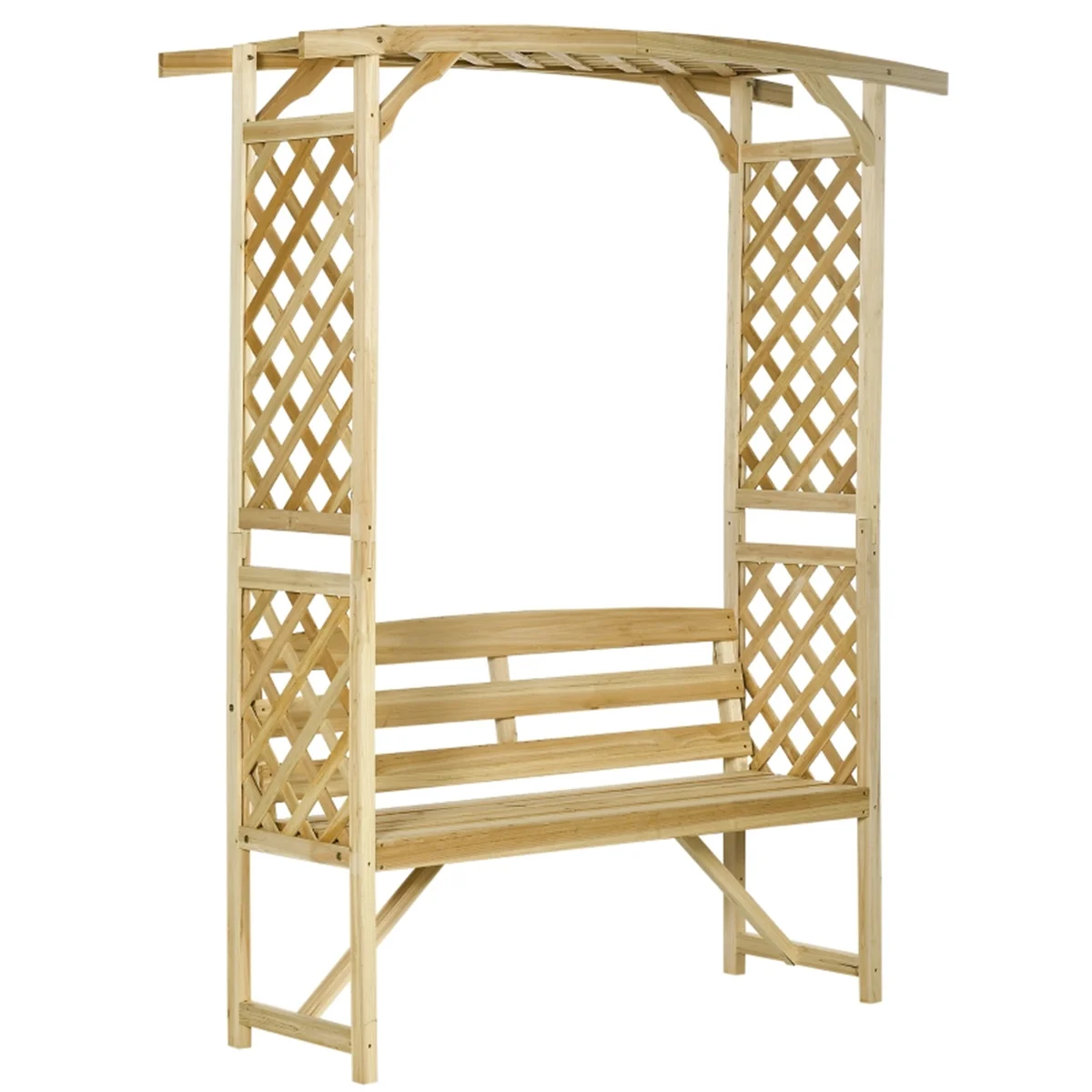
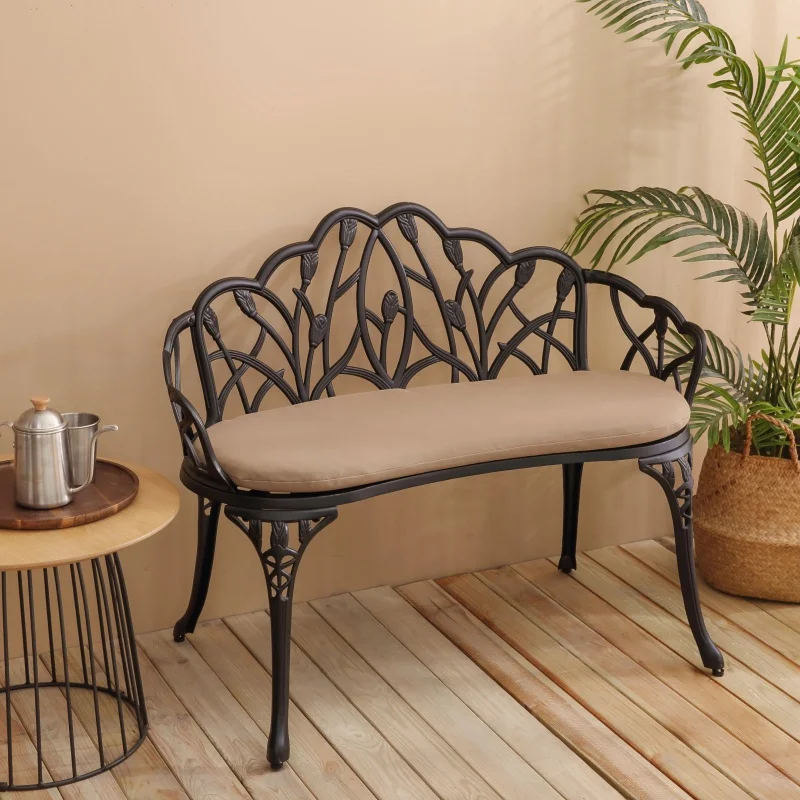
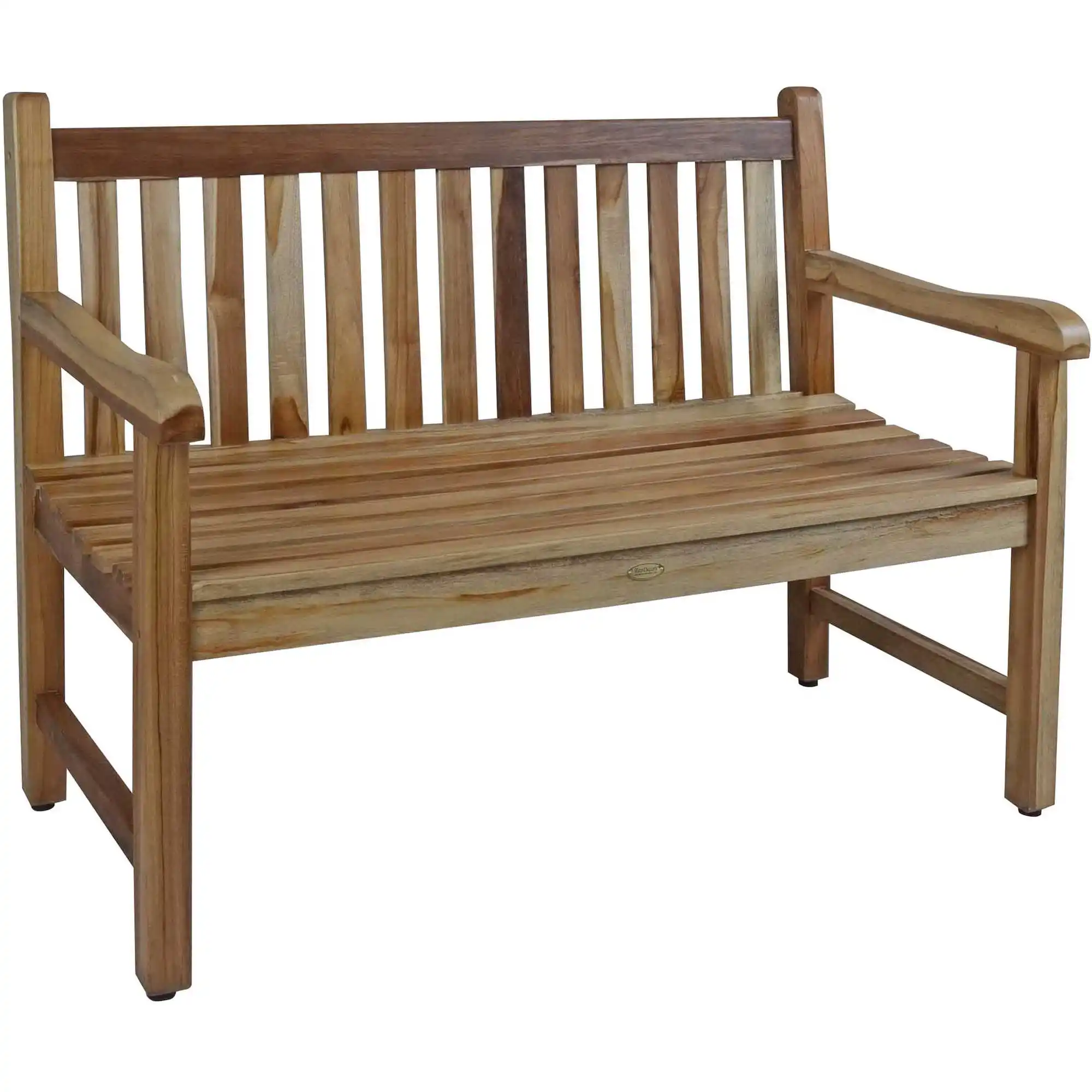
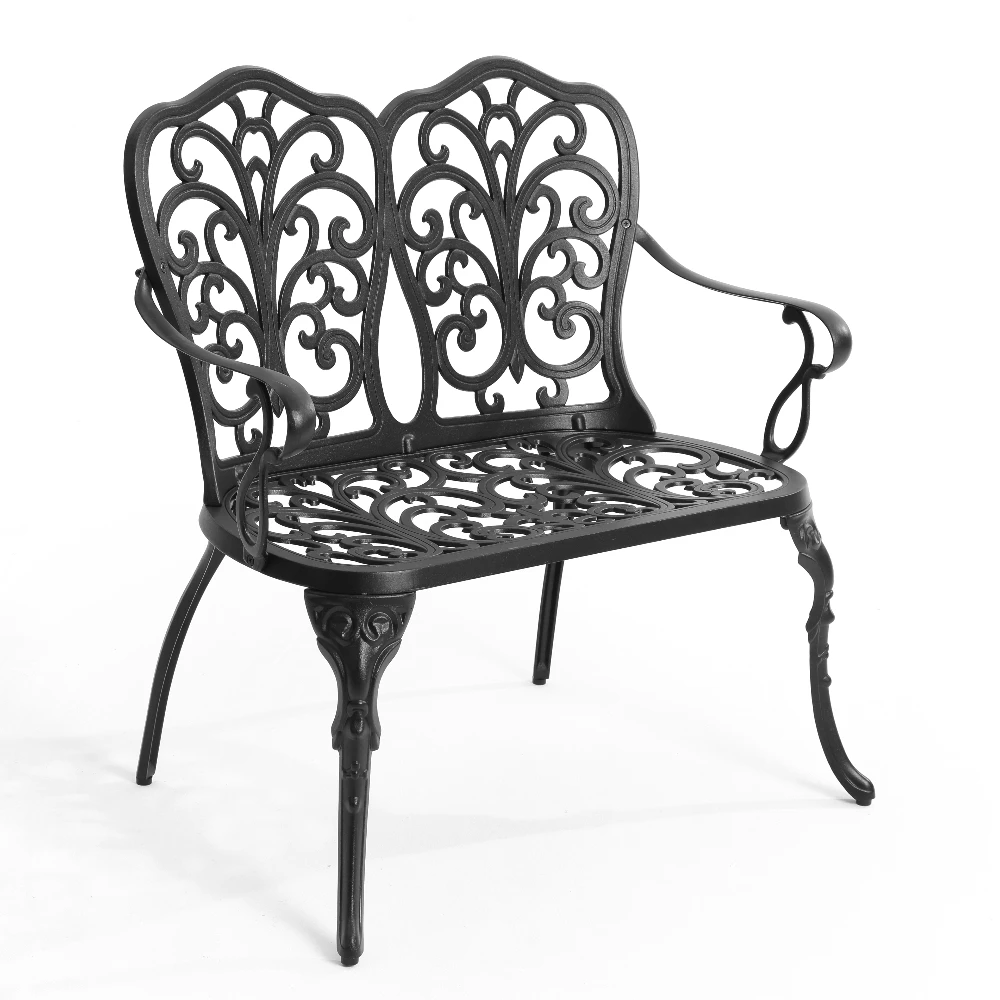
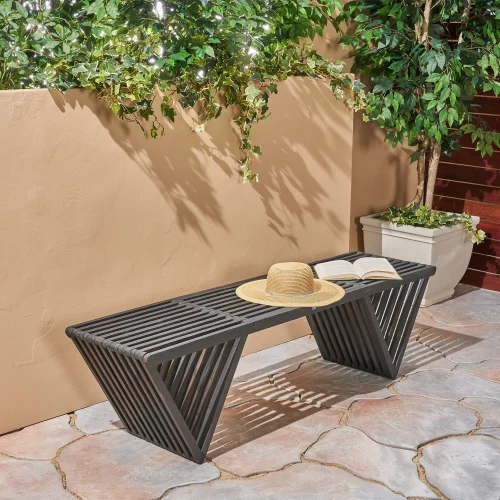
Find your perfect outdoor bench at Goldoma and create a cozy retreat in your own backyard.
