
Blog
The Best Outdoor Shade of 2025: 6 Top Picks for Every Patio, Beach, and Courtyar
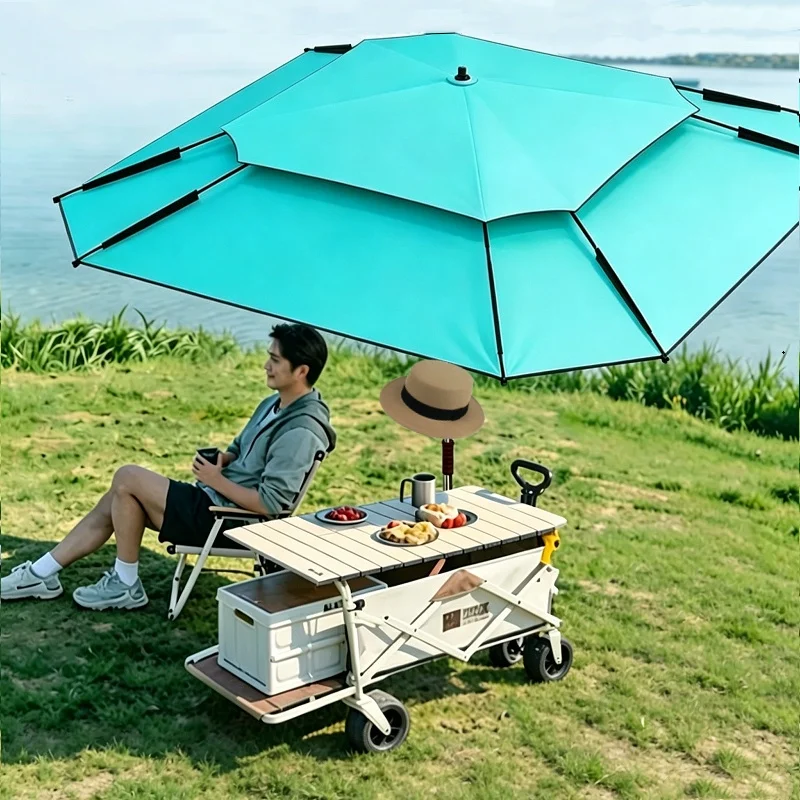
There’s nothing quite like the feeling of cool shade on a warm afternoon—whether you’re hosting a garden lunch, lounging by the pool, or casting a line into a quiet lake. But with so many outdoor umbrellas and bases on the market, finding the right one can feel overwhelming. At Goldoma, we’ve curated a selection of standout outdoor shade solutions that balance style, durability, and real-world practicality. Below, our buying guide walks you through the key factors—size, material, base type, and care—so you can choose with confidence. Then, we share six of our favorite picks, each suited to a different need and space.
How to Choose the Right Outdoor Shade for Your Space
Start by thinking about where you’ll use your shade most. A compact balcony calls for a smaller parasol, while a sprawling patio or commercial courtyard may need a generous canopy. Consider sun direction and wind exposure, too—a sturdy base is non-negotiable if your area catches gusts. Finally, decide whether you want a portable solution (easy to move for beach trips) or a permanent fixture that stays put all season. Your answers will narrow the field quickly.
Size and Coverage: Matching Shade to Your Space
Outdoor umbrellas are typically measured by canopy diameter. As a rule of thumb, a 2-meter canopy shades a small bistro set for two, while a 2.6- to 3-meter canopy comfortably covers a dining table for four to six. If you’re shading a lounger or a picnic blanket, an octagonal or rectangular shape can offer better coverage than a standard round. For beachgoers, a tiltable fishing umbrella with a smaller footprint is ideal—it lets you angle the shade as the sun moves. Always check the height clearance; you want enough headroom to stand and move without bumping the canopy.
Materials and Build: What Lasts in the Sun and Rain
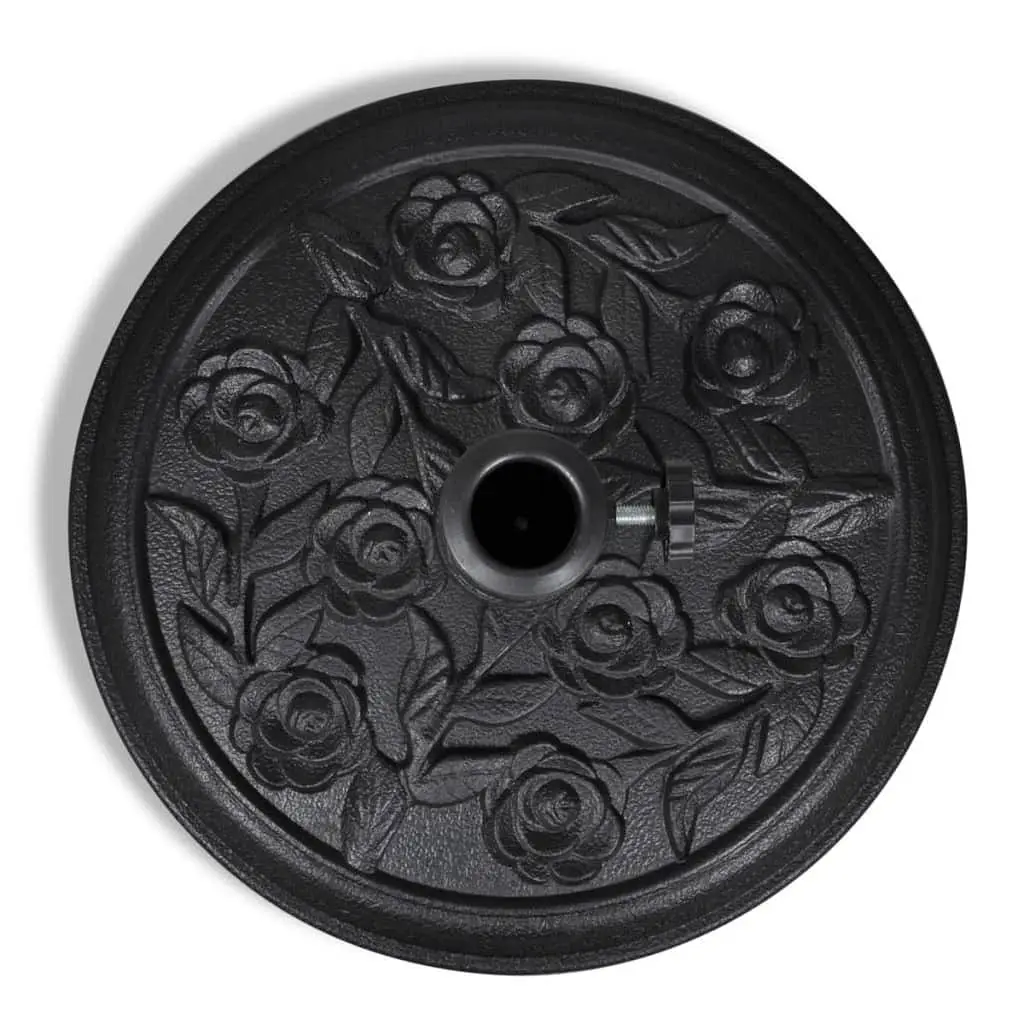
The canopy fabric is your first line of defense. Polyester is the most common choice—look for a tight weave and UV-resistant coating. Higher-quality polyester (like 100% polyester with a PU coating) resists fading and mildew better than cheap blends. For frames, aluminum is lightweight and rust-resistant, making it great for portable umbrellas; steel is heavier and more budget-friendly but needs a powder-coated finish to prevent rust. Wood offers a classic look but requires more maintenance. The base matters just as much: resin bases are weatherproof and easy to move, while steel or granite bases provide maximum stability. Some bases are adjustable to fit different pole diameters, which adds flexibility.
Styles and Bases: Finding the Perfect Fit
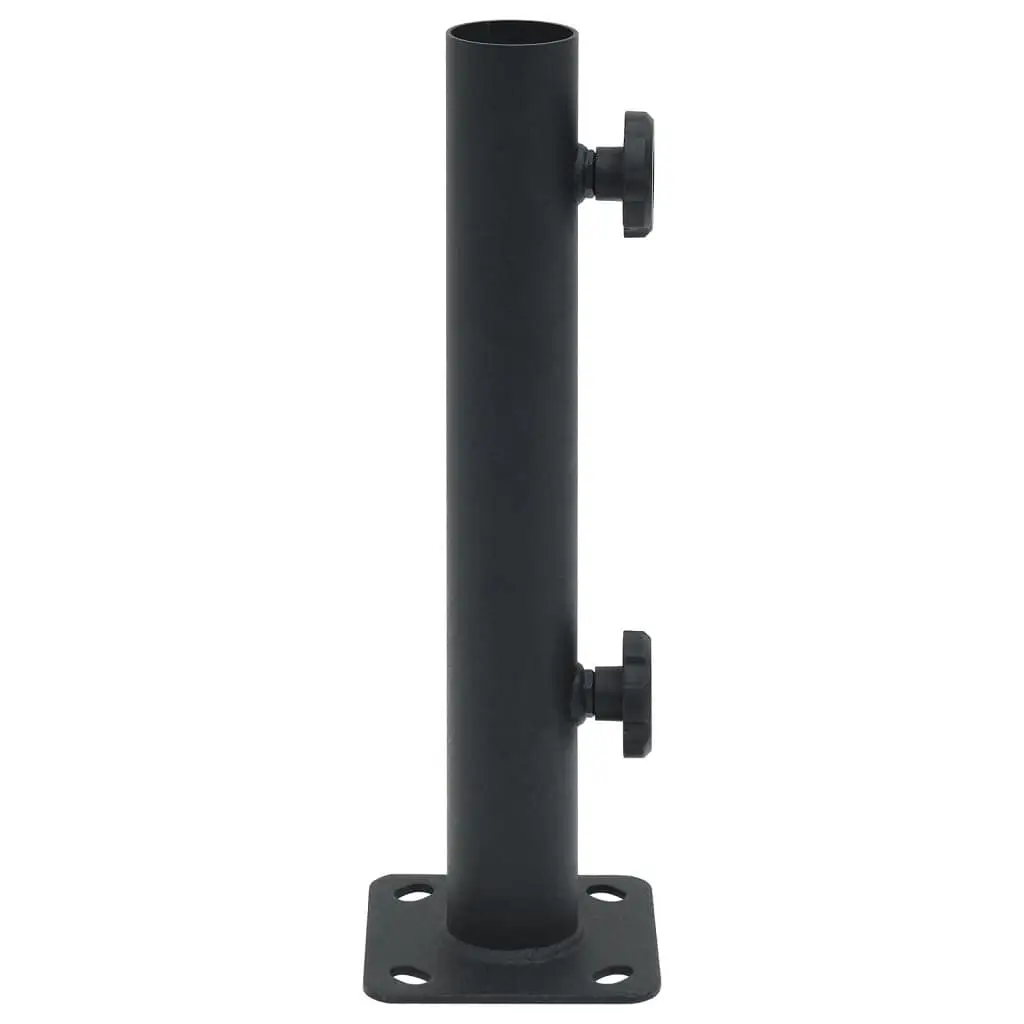
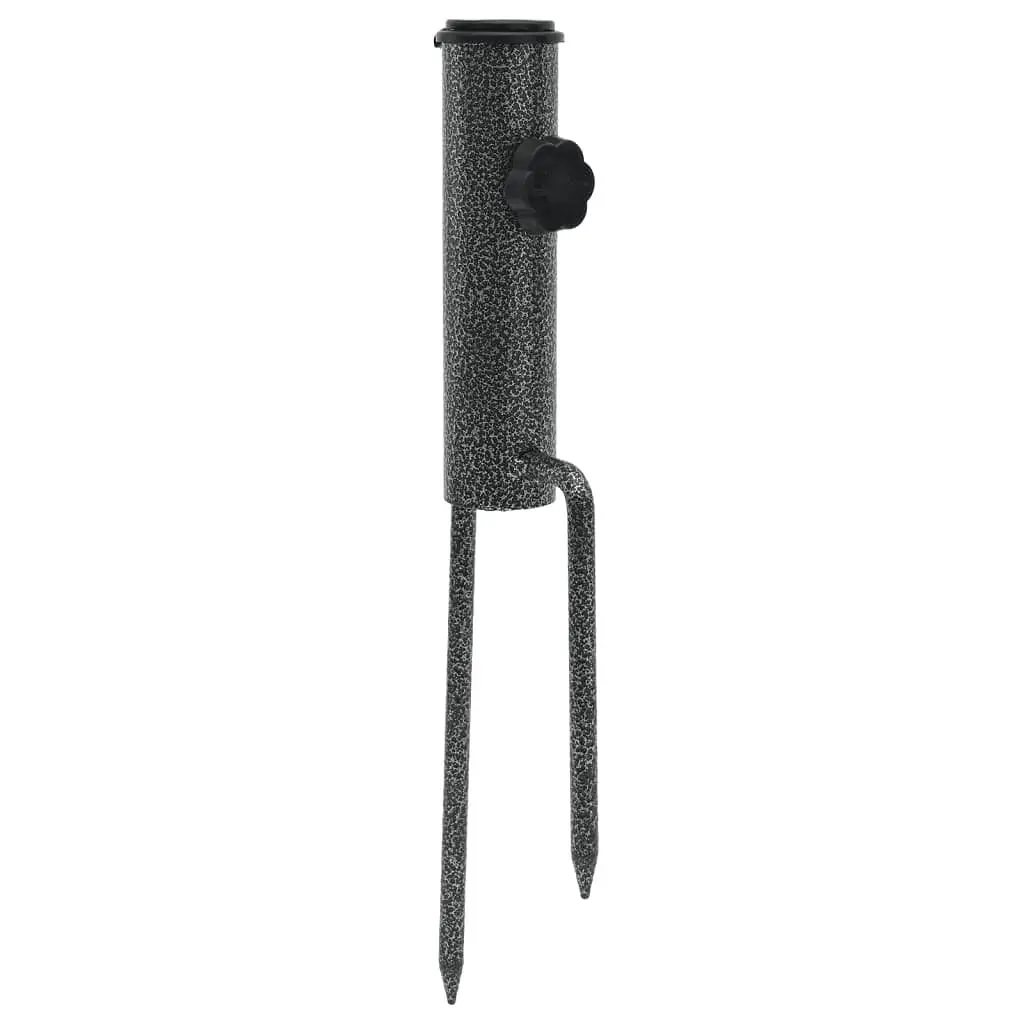
Outdoor shade comes in several styles: center-pole parasols (classic and easy to use), cantilever umbrellas (great for offsetting shade without a pole in the middle), and specialty fishing umbrellas (designed for anglers but handy for any tight space). Your base choice should match your umbrella’s pole and your wind conditions. A heavy resin base (20–30 kg) suits most home patios, while a steel plate base is a good option for lighter umbrellas on sheltered balconies. If you plan to move your umbrella often, look for a base with wheels or handles. And don’t forget to check compatibility—some bases come with adapters for different pole sizes.
Care and Maintenance: Keeping Your Shade Fresh
To extend the life of your outdoor shade, clean the canopy regularly with mild soap and water, and let it dry fully before storing. Avoid harsh chemicals that can strip UV protection. During off-season, store fabric canopies indoors to prevent mold and fading. For metal frames and bases, touch up any scratches with matching paint to ward off rust. If your umbrella has a crank or tilt mechanism, lubricate it lightly once a year. With a little care, a quality umbrella can last many seasons—making it a smart investment in your outdoor comfort.
Our Top Picks
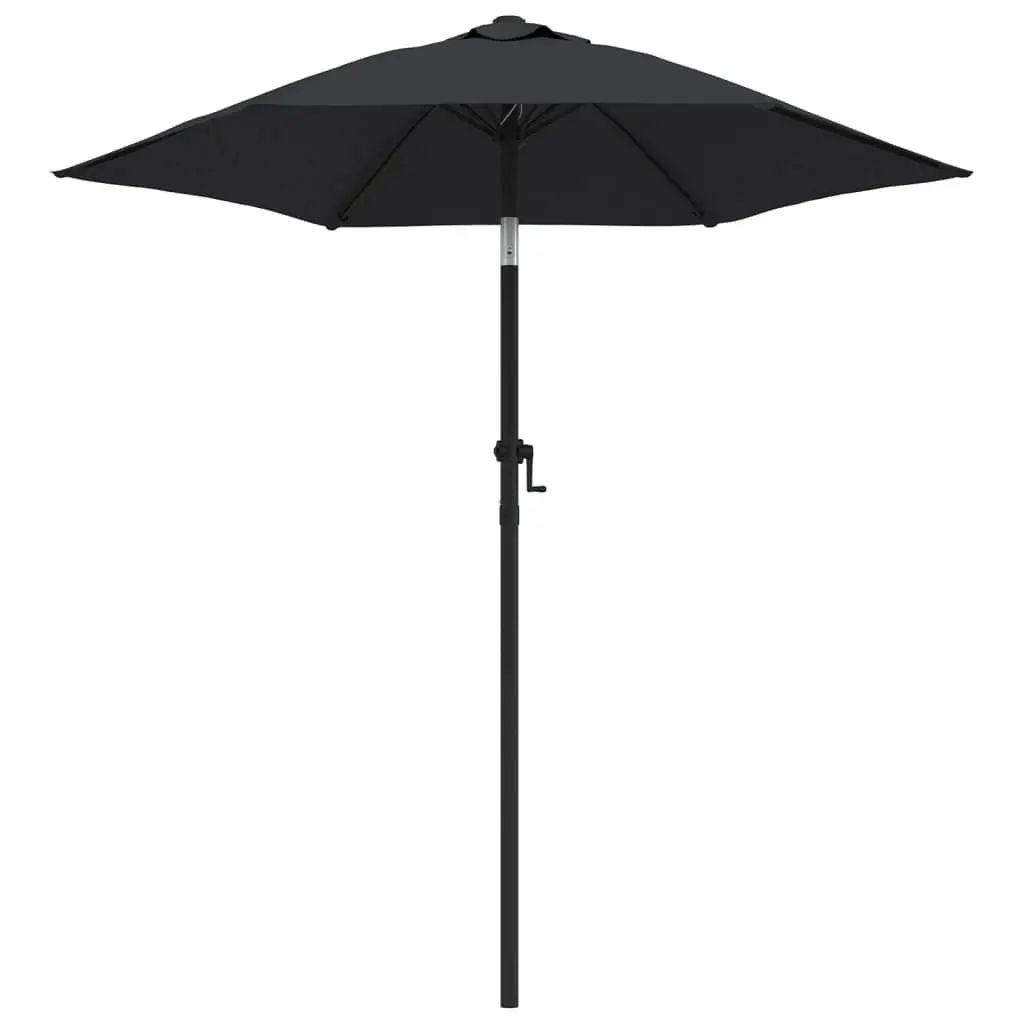
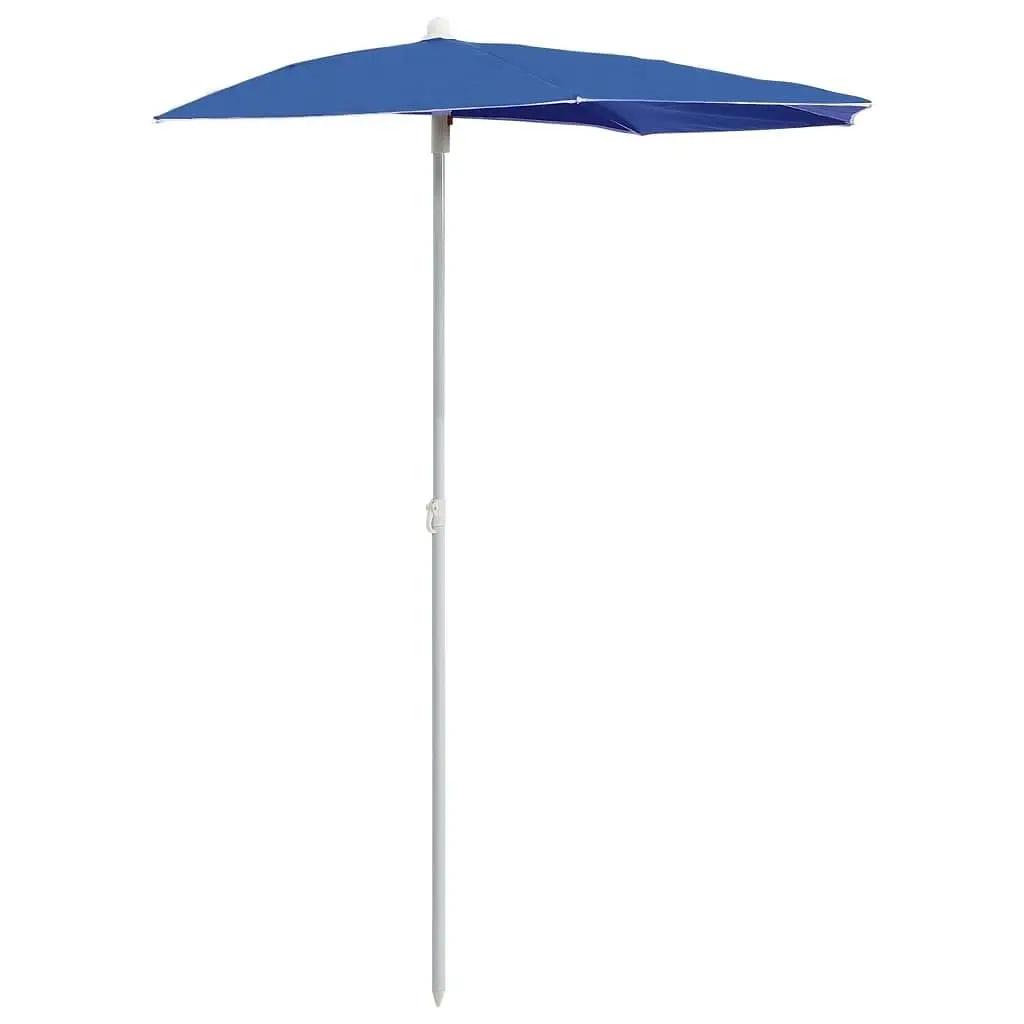
Ready to upgrade your outdoor comfort? Explore Goldoma’s full collection of outdoor shade solutions and find your perfect match today.
