
Blog
The Best Ottomans & Benches of 2025: Our Top 6 Picks for Style and Storage
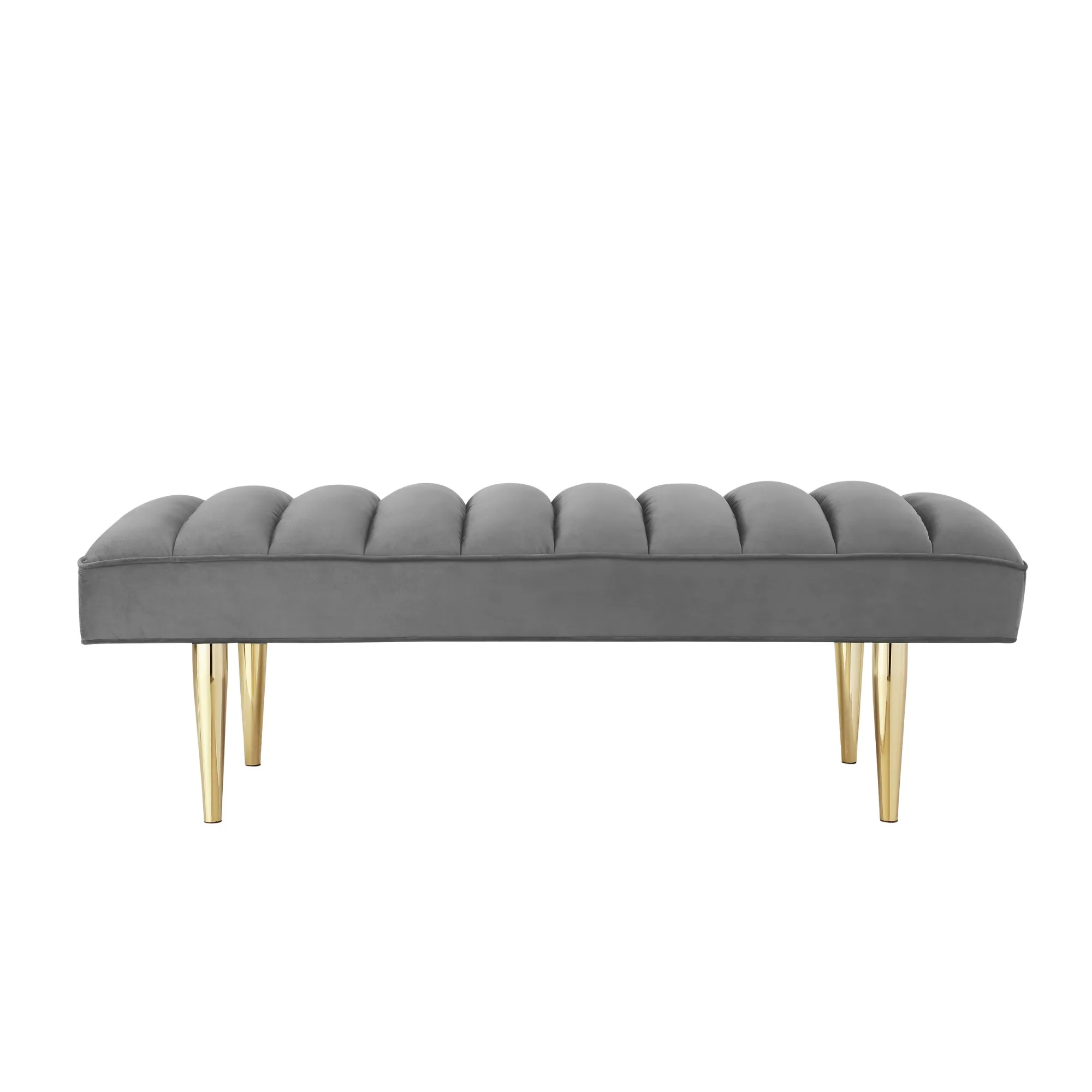
Ottomans and benches are the unsung heroes of a well-designed home. They offer extra seating, a place to rest your feet, hidden storage, and a chance to introduce texture and color. But with so many options, finding the right one can feel overwhelming. At Goldoma, we’ve curated a collection that balances form, function, and quality. In this guide, we’ll walk you through what to consider and share our six favorite pieces to help you choose the perfect fit for your space.
How to Choose the Right Ottoman or Bench
Start by defining its primary role. Will it be a footrest, extra seating, a coffee table substitute, or a storage solution? For footrests, prioritize cushioning and a height that aligns with your sofa (usually 16–18 inches). For seating, look for a sturdy frame and a comfortable seat height (18–20 inches). If you need storage, consider a hinged lid or removable top. Measure your space carefully—you’ll want at least 12–18 inches of walking clearance around it. Also think about shape: rectangular benches work well at the foot of a bed or in an entryway, while round or square ottomans are great for living rooms. Finally, consider your lifestyle: if you have kids or pets, opt for durable, easy-to-clean fabrics like performance linen or velvet with a tight weave.
Sizes and Proportions: Getting the Scale Right
Scale is crucial. A bench that’s too small will look lost; too large and it will crowd the room. For a bed bench, choose one that’s slightly narrower than the bed’s width—typically 50–60 inches for a queen. In an entryway, a bench 40–55 inches wide can fit two people comfortably. For a living room ottoman, a 30–40 inch square or round piece is versatile. Depth matters too: 18–20 inches is standard for seating; deeper ottomans (24+ inches) can double as a coffee table but may be too bulky for small rooms. Height should complement nearby furniture—a bench at the foot of a bed should be lower than the mattress top, while a living room ottoman should be similar in height to the sofa seat. Always measure your space and tape out the footprint before buying.
Materials and Upholstery: Balancing Beauty and Durability
The material you choose affects look, feel, and longevity. Velvet adds luxury and comes in rich colors, but it shows footprints and requires regular brushing. Linen is breathable and casual, though it wrinkles; a linen blend is more resilient. Chenille is soft and durable, ideal for high-traffic areas. For frames, solid wood (like rubberwood or oak) is best; metal frames offer a modern edge and strength. If you have pets or kids, consider tight-weave fabrics or leather-like materials that wipe clean. Also check the foam density—high-resilience foam (1.8 lb/ft³ or higher) retains shape better. For storage benches, ensure the hinges are sturdy and the interior is lined to protect contents.
Styles and Placement: Where Form Meets Function
Your ottoman or bench should harmonize with your decor. In a modern space, clean lines and metal accents work well; for traditional rooms, tufted or nailhead-trimmed pieces add elegance. A patterned bench can be a focal point, while a neutral one blends in. Placement ideas: at the foot of a bed for a hotel-like touch, in an entryway for shoes and bags, under a window as a reading nook, or in a living room as a flexible seating option. Consider mobility—if you’ll move it often, choose a lighter piece or add casters. For small spaces, a storage bench is a smart two-in-one. And don’t forget color: a bold hue can energize a neutral room, while a soft tone can calm a busy pattern.
Care and Maintenance: Keeping It Looking New
Proper care extends the life of your ottoman or bench. Vacuum upholstery weekly with a soft brush attachment to remove dust and crumbs. For stains, blot (don’t rub) with a clean cloth and mild detergent; test on a hidden area first. Velvet should be brushed with a soft brush to restore nap. Rotate cushions if possible to ensure even wear. For wooden legs, dust with a dry cloth and avoid harsh chemicals. If your bench has storage, keep it dry and consider adding a cedar block to deter moths. Avoid direct sunlight to prevent fading, and use felt pads under legs to protect floors. With a little attention, your piece will stay beautiful for years.
Our Top Picks
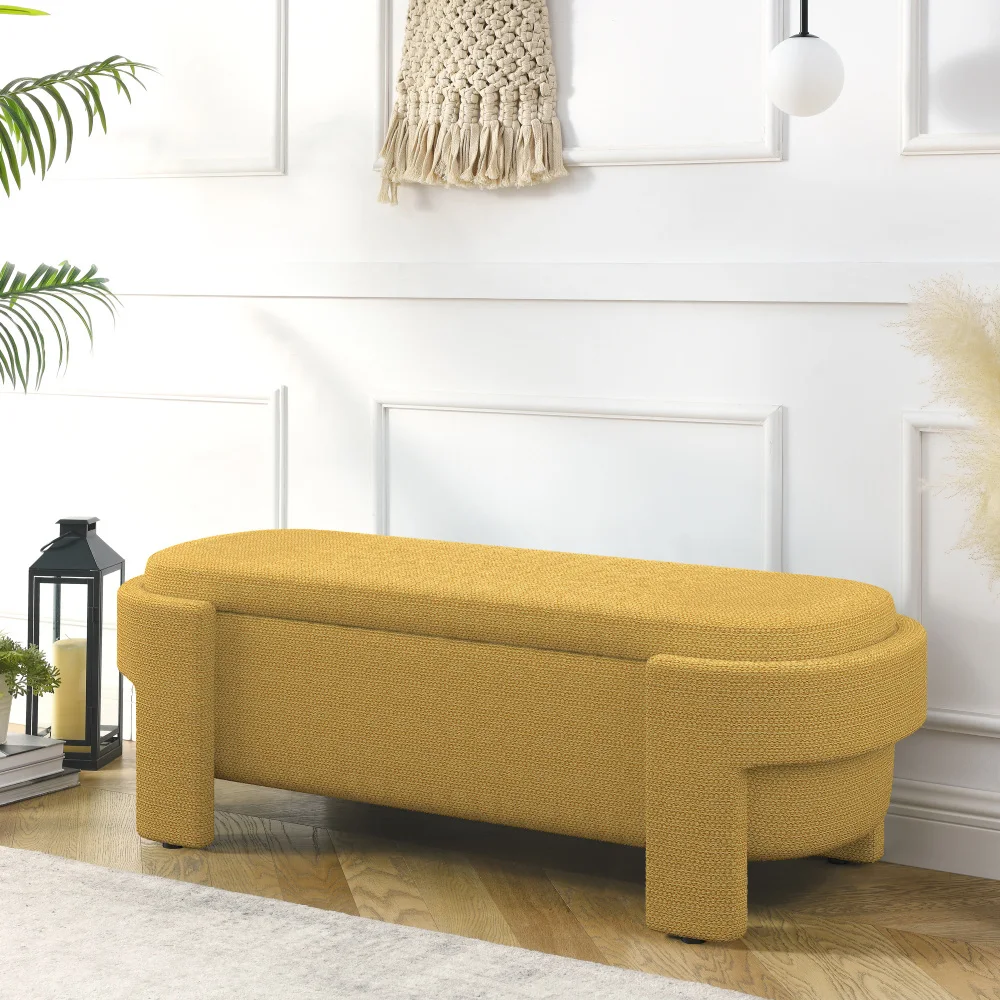
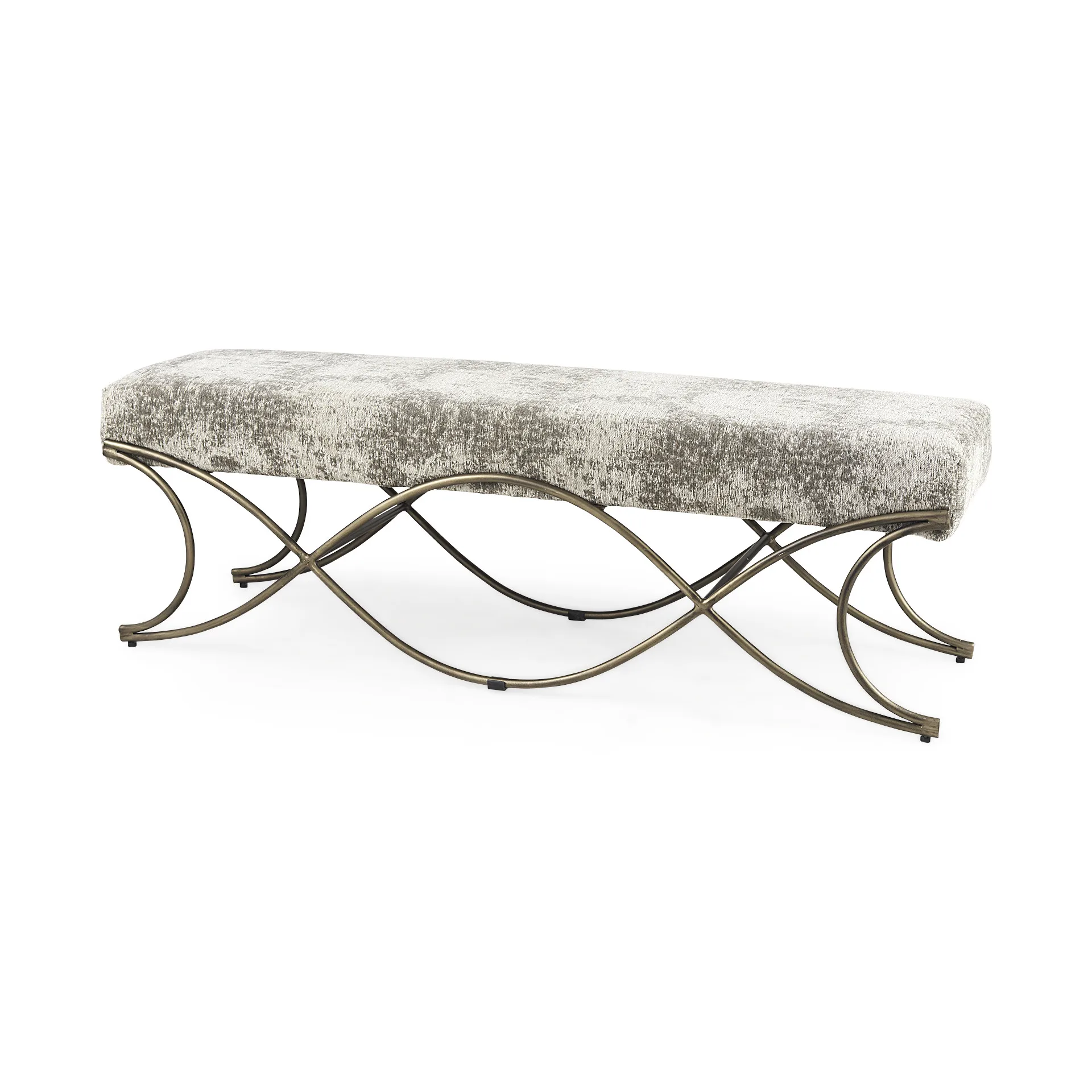


Ready to find your perfect ottoman or bench? Explore Goldoma’s full collection and bring home a piece that blends beauty and practicality.
