
Blog
The Best Ceiling Fans to Elevate Your Space: 6 Top Picks for Comfort & Style
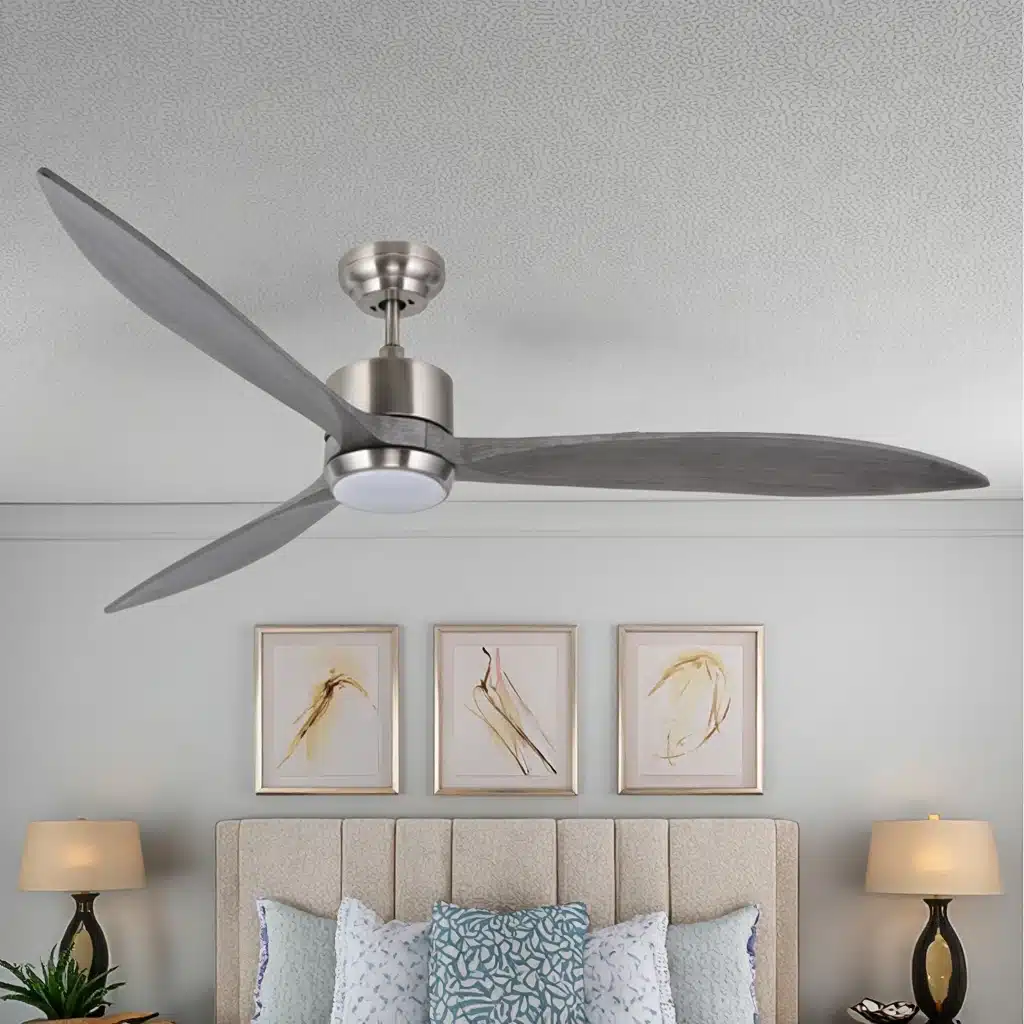
A ceiling fan is more than just a cooling appliance—it’s a design statement, a comfort enhancer, and an energy-saving hero. At Goldoma, we’ve curated a collection that blends cutting-edge technology with timeless aesthetics. Whether you need a compact fan for a cozy nook or a grand statement piece for an open living area, our top picks deliver quiet performance, smart controls, and beautiful finishes. Let’s find the perfect fan to keep you cool and elevate your home.
How to Choose the Right Ceiling Fan: Size, Placement, and Power
Before you fall in love with a style, get the fundamentals right. Ceiling fans are most effective when sized correctly for the room. As a rule of thumb, rooms up to 75 sq ft need a 29–36 inch fan; 76–144 sq ft need 36–42 inch; 145–225 sq ft need 44–50 inch; 226–400 sq ft need 50–54 inch; and rooms over 400 sq ft call for a 56-inch fan or larger. For ceilings higher than 8 feet, add a downrod to bring the fan 8–9 feet above the floor for optimal airflow. Also consider motor type: DC motors are quieter and up to 70% more energy-efficient than AC motors, while AC motors are often more budget-friendly. If you want smart home integration, look for fans with remote control, app connectivity, or voice assistant compatibility. Finally, check the airflow rating (CFM)—higher CFM means more air moved. For a balance of style and performance, choose a fan that complements your decor without overpowering the space.
Materials and Blades: The Key to Durability and Style
Ceiling fan blades come in various materials, each with distinct advantages. ABS plastic blades are lightweight, moisture-resistant, and ideal for outdoor or damp areas. They’re also easy to clean and come in a range of finishes. Wood blades offer a classic, warm look and are perfect for traditional or farmhouse interiors, but they can warp in high humidity. Metal blades are sleek and modern, often found in industrial designs. For a contemporary feel, consider fans with reversible blades—one side wood grain, the other solid color—to switch up your look. The finish of the motor housing also matters: brushed nickel, matte black, and white are timeless, while brass and bronze add a vintage touch. If you have low ceilings, a flush-mount (hugger) fan is your best bet. For high ceilings, a downrod fan provides better air circulation. Remember, the blade pitch (angle) affects airflow—a pitch between 12 and 15 degrees is ideal for most homes.
Smart Features and Control Options: Convenience at Your Fingertips
Modern ceiling fans have evolved far beyond pull chains. Today, you can control your fan with a remote, a wall switch, or even your smartphone. Many models offer Wi-Fi or Bluetooth connectivity, allowing you to adjust speed, dim lights, and set schedules from anywhere. If you’re building a smart home, look for fans compatible with Amazon Alexa, Google Assistant, or Apple HomeKit. Timers and reversible motors are also valuable: reversible motors let you switch blade direction for summer downdraft or winter updraft, saving on heating costs. For bedrooms, a quiet DC motor and a dimmable LED light are must-haves. In living areas, consider a fan with multiple speed settings and a memory function that remembers your preferred settings after a power outage. And don’t overlook the remote—a well-designed remote with a wall cradle prevents misplacement and adds convenience.
Style and Placement: Matching Your Fan to Your Decor
Ceiling fans can be a focal point or a subtle accent. For a modern minimalist space, choose a fan with clean lines, a matte finish, and integrated LED lighting. Farmhouse and rustic interiors pair beautifully with caged or wood-blade fans that have a vintage feel. For industrial lofts, metal blades and exposed hardware make a statement. In bedrooms, a fan with a soft light and quiet operation creates a relaxing ambiance. In kitchens, choose a fan with moisture-resistant blades and a easy-to-clean finish. For outdoor patios, ensure the fan is rated for damp or wet locations. Also, consider the color of your ceiling: a white fan blends in, while a dark fan creates contrast. If you have a large open concept, a 72-inch fan can circulate air effectively without overwhelming the space. Finally, think about the light kit—integrated LEDs are energy-efficient and long-lasting, but if you prefer your own fixture, choose a fan without a light.
Care and Maintenance: Keep Your Fan Running Smoothly
Ceiling fans are low-maintenance, but a little care goes a long way. Dust blades regularly with a microfiber cloth or a vacuum brush attachment to prevent buildup that can cause wobbling. Check and tighten screws and blade brackets annually, as vibrations can loosen them over time. If your fan wobbles, a balancing kit (usually included) can help. For fans with lights, replace bulbs with the recommended wattage and type to avoid overheating. In humid areas, wipe down blades and motor housing to prevent rust. If you notice unusual noises, it could be a sign of worn bearings—contact a professional. With proper care, a quality ceiling fan can last 10–15 years or more, making it a worthwhile investment for your home’s comfort and style.
Our Top Picks


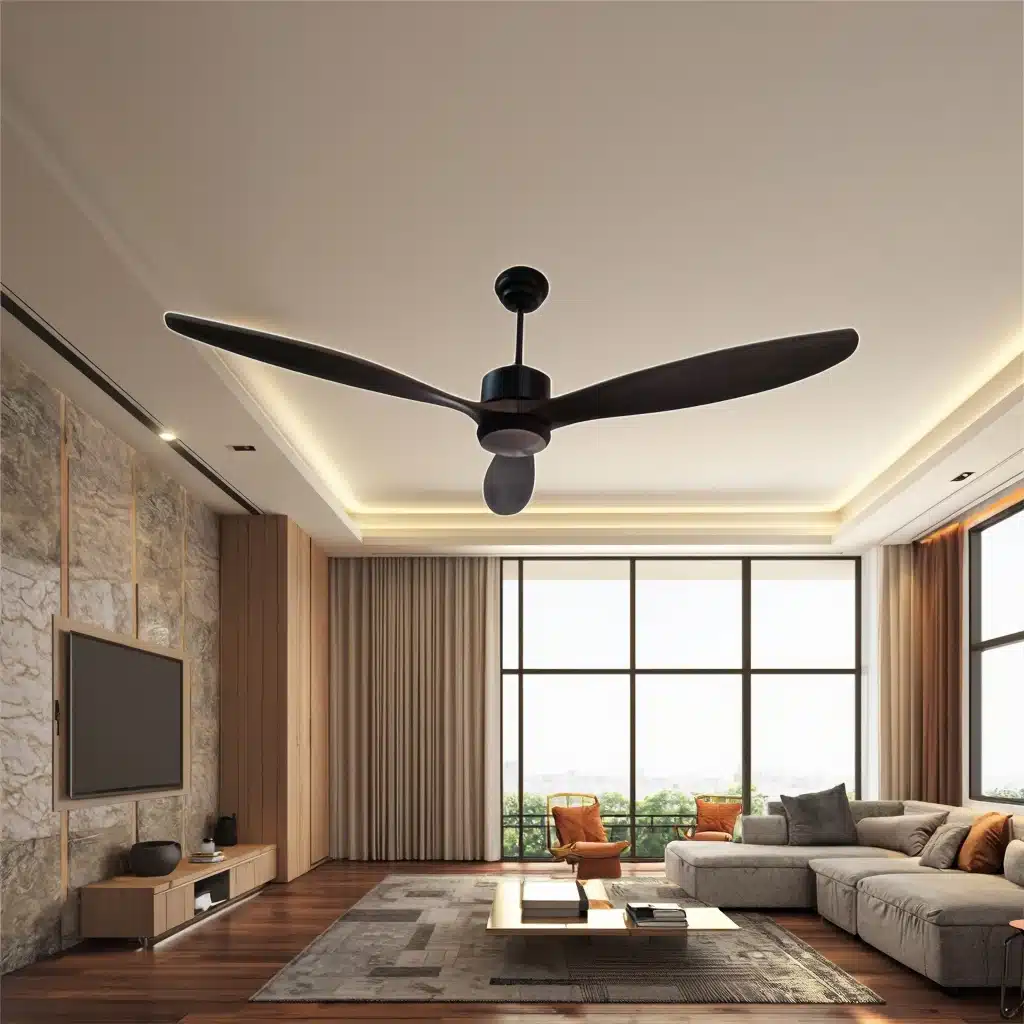
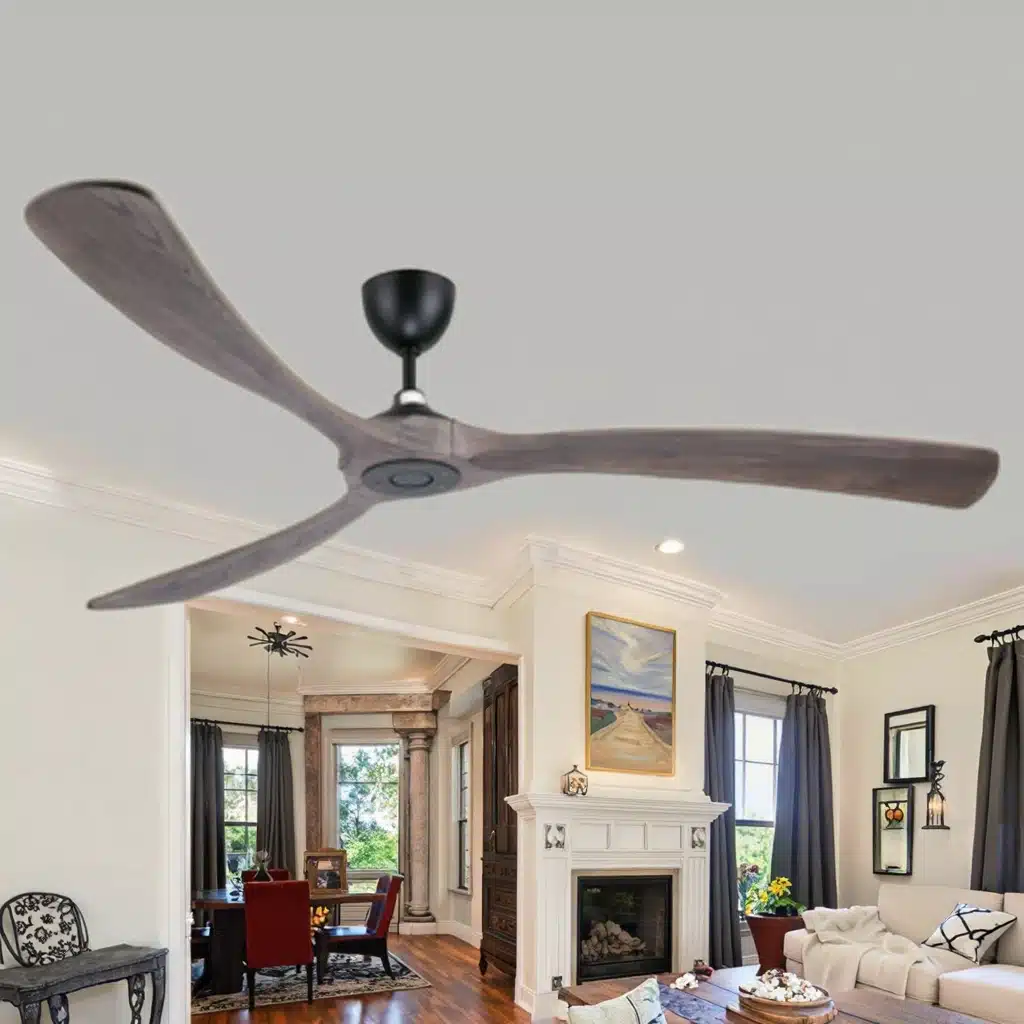

Ready to upgrade your comfort? Shop Goldoma’s curated collection of ceiling fans and find the perfect blend of style and performance for your home.
