
Blog
The Best Outdoor Garden Tools: 6 Top Picks for a Beautiful, Low-Effort Yard
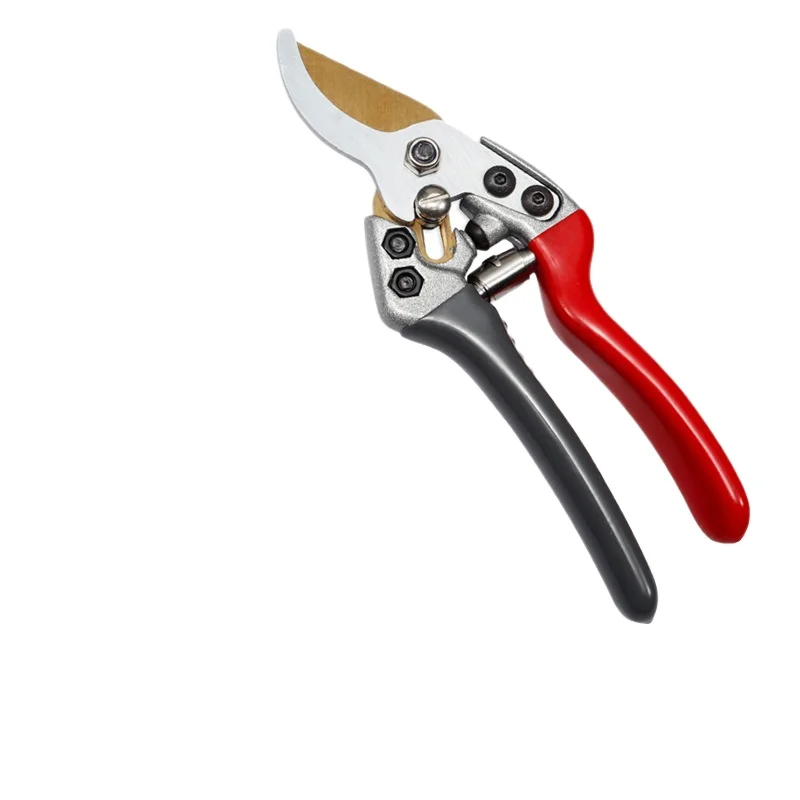
A great outdoor space doesn’t happen by accident—it’s shaped by the right tools. Whether you’re coaxing fruit trees into abundance, keeping borders crisp, or preparing beds for spring, the best outdoor tools make hard work feel lighter and more rewarding. At Goldoma, we’ve curated six standout picks that blend thoughtful design with everyday practicality. This guide will help you choose wisely, so every minute in the garden counts.
Start with Your Soil and Space
Before you buy a single tool, look at your ground. Is it heavy clay, sandy, or loamy? Compacted soil demands stronger, forged blades and sturdy handles, while raised beds or containers need lighter, more maneuverable options. Consider the size of your plot too: a small urban courtyard calls for compact tools that store easily, whereas a larger garden benefits from longer handles and higher-capacity implements. Think about slope and access—if you’re working on uneven ground, ergonomic grips and non-slip handles become non-negotiable.
Materials That Last
The best outdoor tools are built to weather the seasons. Look for carbon steel or stainless steel blades—they hold an edge, resist rust, and cut cleanly. Handles matter just as much: ash and hickory are traditional for good reason, offering shock absorption and strength, while fiberglass and reinforced composites are lighter and won’t splinter. For cutting tools, a coated or stainless finish reduces sap buildup and makes cleaning easier. Avoid flimsy plastic joints; metal connections and rivets will keep your tools working for years, not months.
Sizes and Ergonomics for Comfort
Fit is everything. A tool that’s too short forces you to stoop; too long and you lose control. As a rule, handheld pruners should feel balanced in your palm, with a handle span that doesn’t cramp your grip. For long-handled tools like edgers or ploughs, choose a length that lets you stand upright while working. Ergonomic features—cushioned grips, non-slip textures, safety locks—aren’t luxuries; they prevent fatigue and injury. If you share tools with family members, adjustable or universal designs are worth seeking out.
Styles for Every Task
Outdoor tools fall into a few broad styles. Cutting tools—pruners, shears, saws—need sharp, precise blades; bypass pruners are best for living stems, while anvil styles suit dead wood. Cultivating tools like hand ploughs and shovels break up soil and create furrows; folding models save space and double as survival gear. Powered options, such as cordless chainsaws, bring speed for larger jobs but require battery compatibility and safety gear. Manual tools give you quiet, fuel-free control. Match the style to your most frequent tasks, and don’t be afraid to mix manual and powered for efficiency.
Care That Keeps Them Going
Even the best outdoor tools need a little love. Clean blades after every use—sap and soil cause rust and dull edges. Dry thoroughly, then wipe metal parts with a light oil. Sharpen cutting edges regularly with a file or sharpener; a sharp tool is safer and easier to use. Store tools in a dry place, ideally hanging or in a rack, to protect handles and blades. For battery-powered tools, follow the manufacturer’s charging guidance and store batteries at room temperature. A few minutes of maintenance each season will repay you with years of reliable service.
Our Top Picks
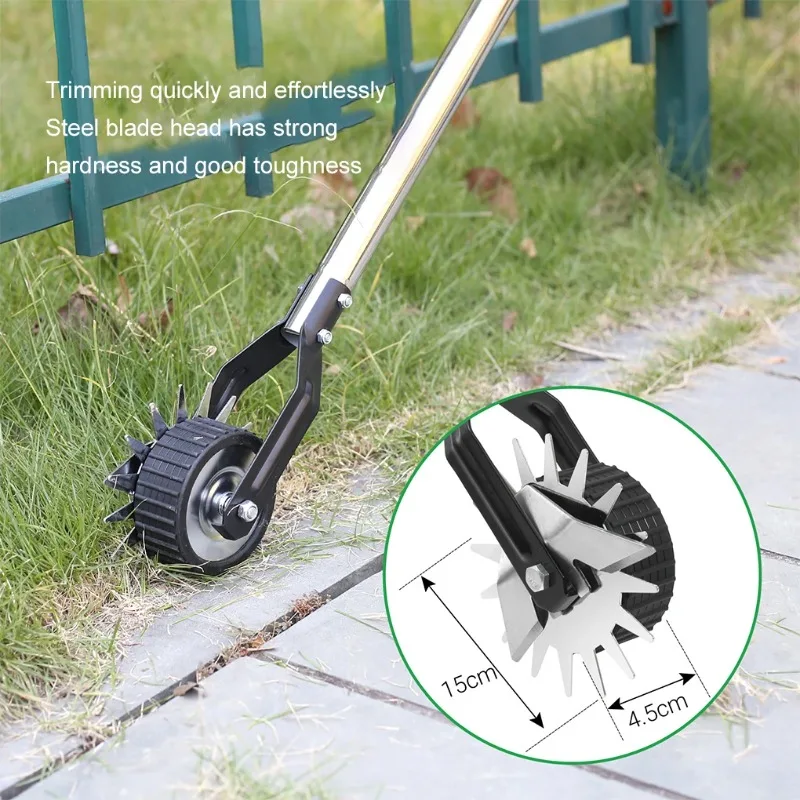
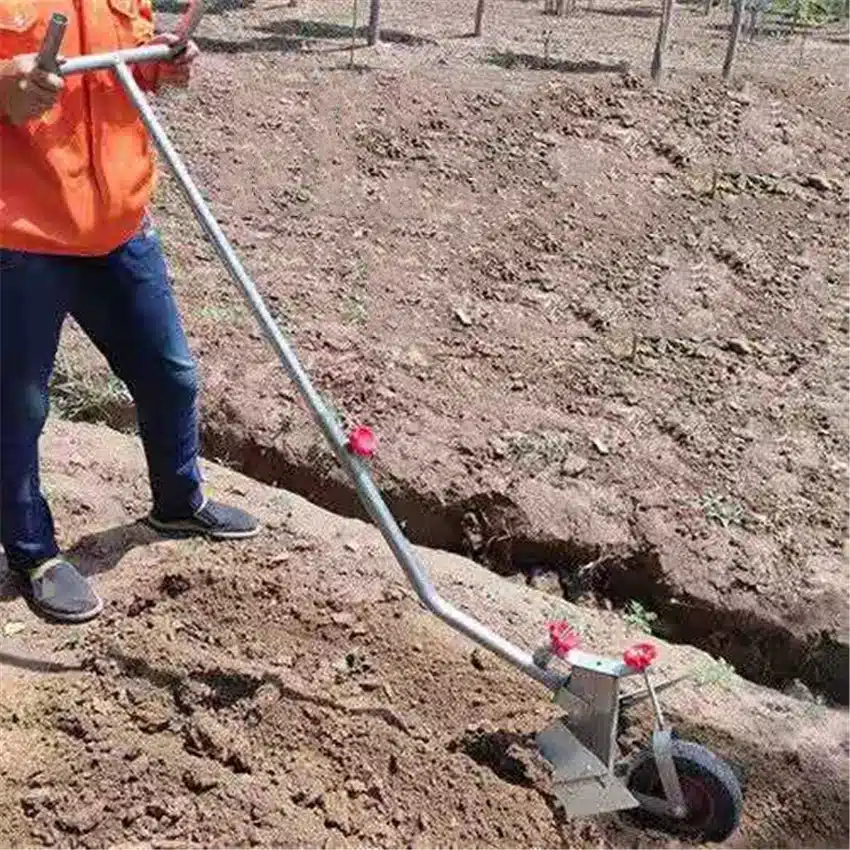
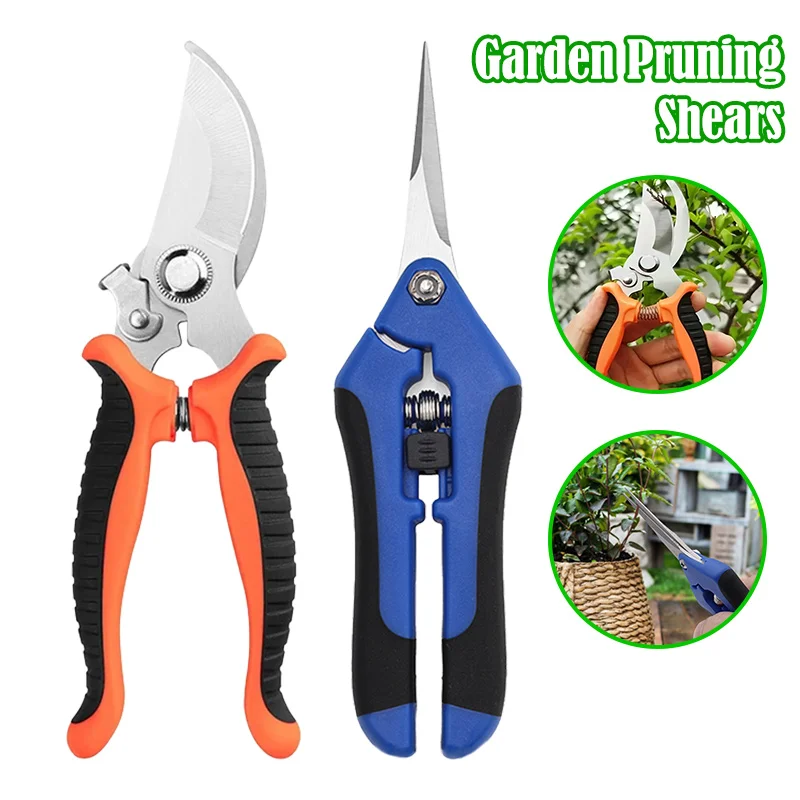
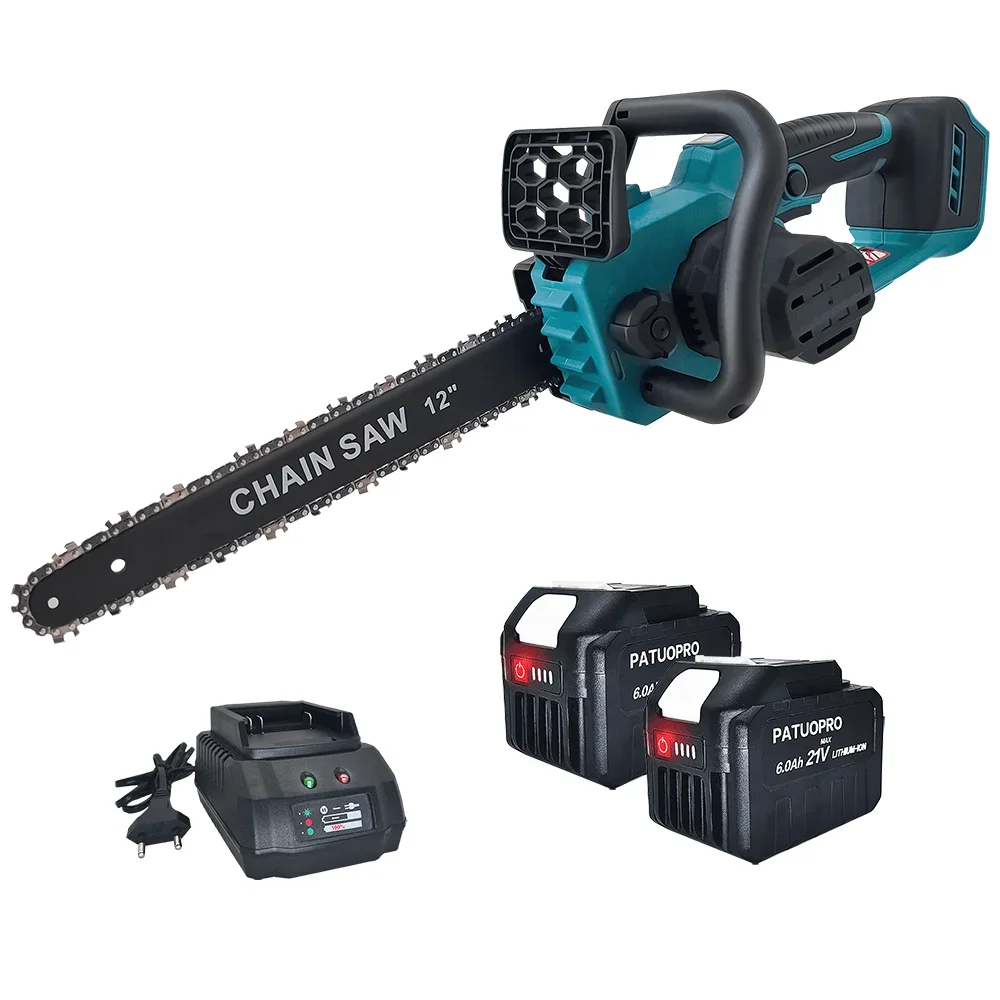
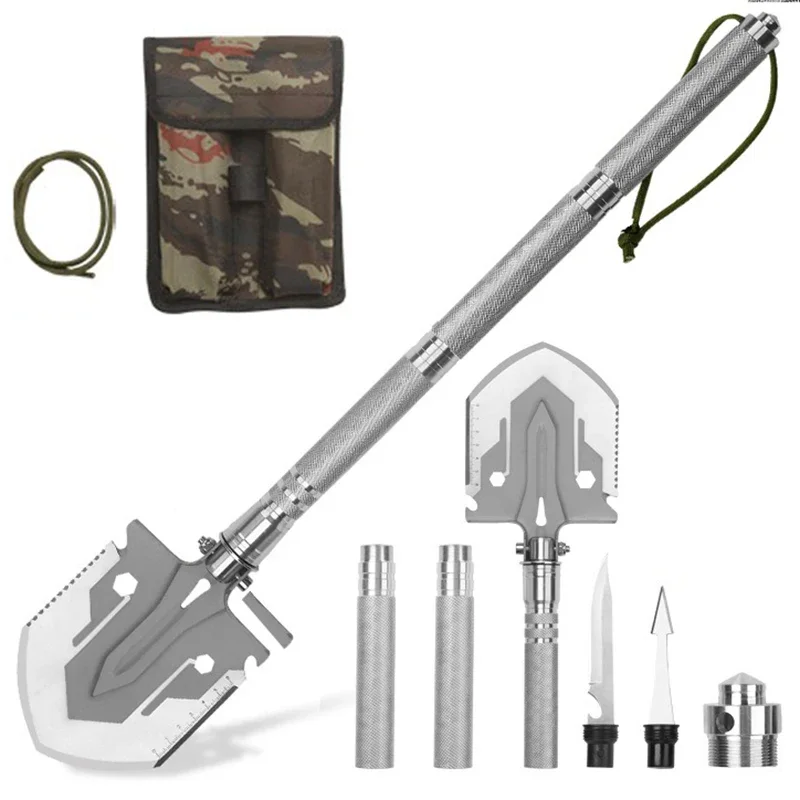
Ready to elevate your outdoor routine? Explore these top picks and more at Goldoma—where practical design meets lasting quality.
