
Blog
Best Buffets & Sideboards: 6 Top Picks for Effortless Entertaining

A buffet or sideboard is more than just storage—it’s the unsung hero of a well-dressed dining room. It anchors your space, corrals clutter, and transforms into a stunning serving station when you’re hosting. But with so many options, finding the right one can feel overwhelming. That’s where we come in. At Goldoma, we’ve curated a collection of display and serving pieces that bring both beauty and function to your table. Whether you’re setting out a holiday feast or showcasing your favorite desserts, these picks are designed to make every gathering feel effortless and elegant. Let’s explore how to choose the perfect buffet or sideboard for your home, and then dive into our six favorite finds.
How to Choose the Perfect Buffet or Sideboard
Start by considering how you’ll use it. Will it primarily store linens, china, and silverware? Or will it double as a bar cart, dessert station, or coffee bar? If serving is a priority, look for a piece with a smooth, easy-to-clean top and enough surface area for chafing dishes, risers, and platters. If storage is key, prioritize adjustable shelving and felt-lined drawers. Measure your space carefully—both the wall where it will sit and the clearance around it. A good rule of thumb: leave at least 36 inches of walking space in front so guests can serve themselves comfortably. Also, think about height. Standard buffets are around 30–36 inches tall, which is ideal for serving. If you plan to use it as a media console, a lower height may work better. Finally, consider your existing decor. A buffet should complement your dining table and chairs without competing for attention. Wood tones, finishes, and hardware should harmonize with the rest of the room.
Sizes and Proportions: Finding the Right Fit
Buffets and sideboards come in a range of sizes, from compact 36-inch units to grand 72-inch statement pieces. The right size depends on your wall space and your needs. For small dining rooms, a 40–50 inch buffet can provide ample storage without overwhelming the space. Larger rooms can accommodate 60–72 inch pieces, which offer more surface area for displaying decor and serving food. Depth is equally important: standard buffets are 15–20 inches deep. If you’re short on floor space, a shallower depth (around 15 inches) can still hold plates and platters. Height should align with your dining table—ideally, the buffet top should be within a few inches of the table height for a cohesive look. If you’re using risers or display boxes, as featured in our picks, ensure the buffet top is sturdy and level. And don’t forget about weight capacity: if you’re loading up with heavy chafing dishes or a large cake, choose a piece with a solid base and reinforced construction.
Materials and Styles: Balancing Form and Function
Wood is the classic choice for buffets, offering warmth and durability. Oak, walnut, and mahogany are traditional favorites, while mango and acacia bring a more casual, eclectic vibe. Painted finishes can brighten a room and hide imperfections, while natural wood grains add texture and richness. Metal buffets—steel, iron, or brass—are sleek and modern, often with glass or stone tops. They’re easy to clean and pair well with industrial or contemporary decor. Glass tops are practical for protecting wood from spills and scratches, but they show fingerprints. Acrylic and lucite buffets are lightweight and contemporary, though they may scratch over time. For a timeless look, consider a wood buffet with a subtle finish and simple hardware. For a glamorous touch, opt for mirrored or metallic accents. Whatever you choose, ensure the materials are sealed or treated to resist stains and moisture, especially if you’ll be serving food and drinks.
Care and Maintenance: Keeping Your Buffet Beautiful
Proper care extends the life of your buffet and keeps it looking its best. For wood surfaces, dust regularly with a soft, dry cloth. Avoid silicone-based polishes, which can build up and dull the finish. Instead, use a damp cloth with mild soap for occasional cleaning, then dry immediately. Spills should be wiped up right away to prevent staining. Use coasters and felt pads under hot dishes, vases, and decor. For metal buffets, a soft cloth and mild detergent are usually sufficient; avoid abrasive cleaners that can scratch. Glass tops can be cleaned with a glass cleaner, but be sure to dry them to prevent streaks. Acrylic pieces should be cleaned with a soft, damp cloth and mild soap—never use ammonia-based cleaners, which can cause cloudiness. If your buffet has drawers or doors, check hinges and slides periodically and tighten as needed. And if you’re using display risers or chafing dishes on top, place a protective mat underneath to prevent scratches. With a little care, your buffet will remain a cherished piece for years to come.
Our Top Picks
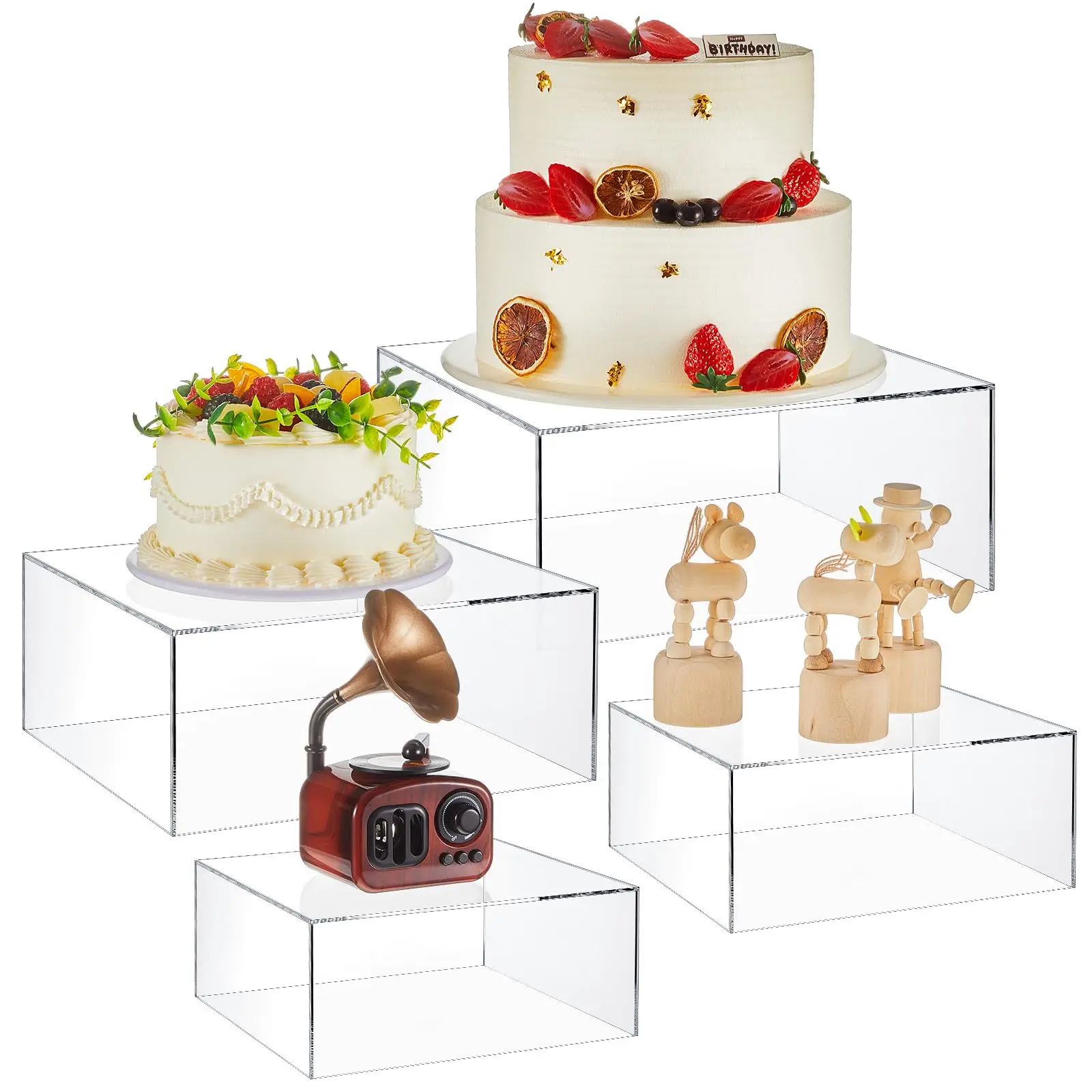
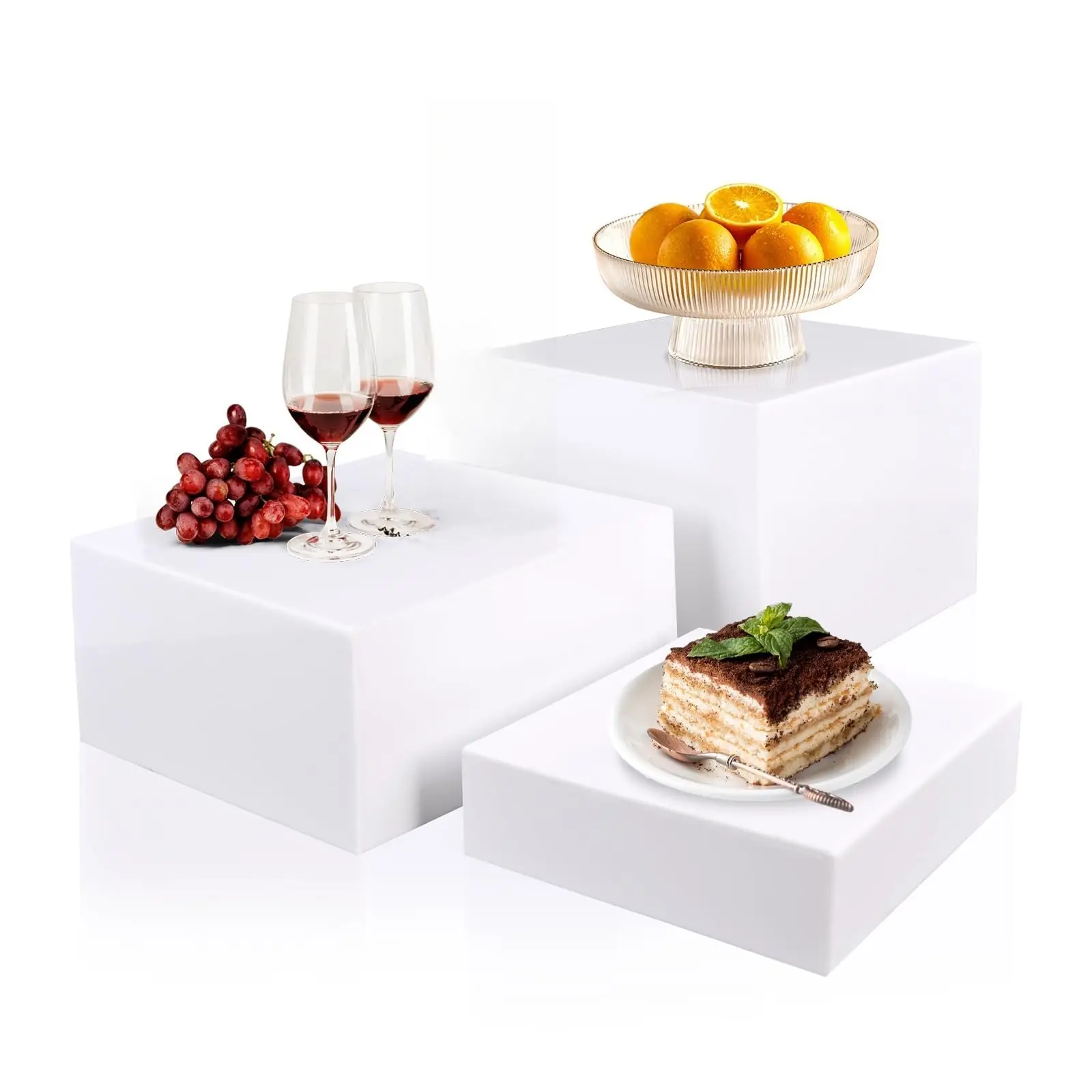



Ready to elevate your entertaining? Explore Goldoma’s full collection of buffets, sideboards, and serving essentials today.
