
Blog
The Best Filing Cabinets for a Tidy, Stylish Home Office
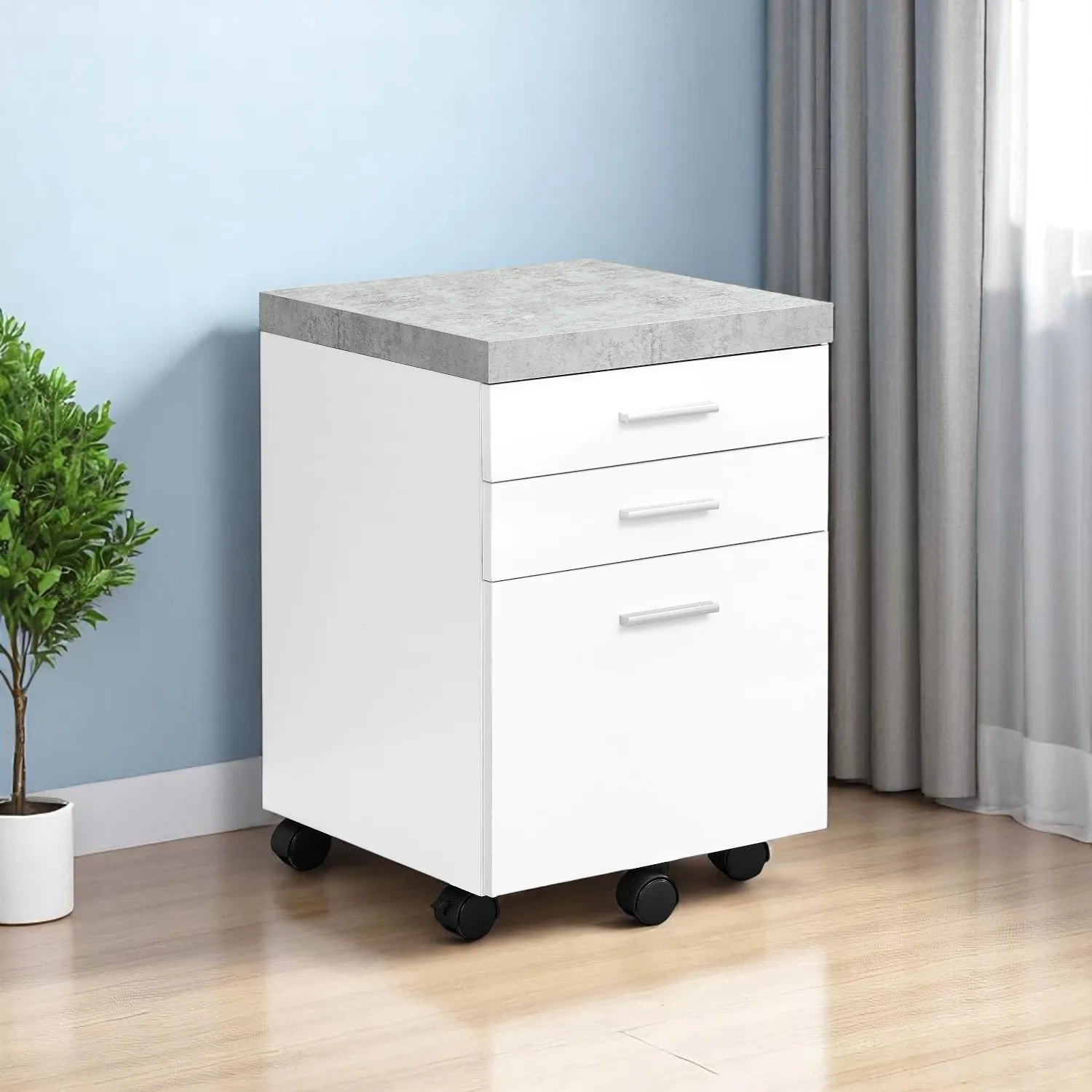
A good filing cabinet is the unsung hero of a productive workspace. It keeps your important papers safe, your desk clutter-free, and your office looking polished. But with so many options—from sleek metal lateral files to budget-friendly particle board units—choosing the right one can feel overwhelming. At Goldoma, we’ve rounded up six of the best filing cabinets to suit every need, space, and style. Whether you’re a home-office newbie or a seasoned pro, our buying guide will help you find the perfect fit.
How to Choose the Right Filing Cabinet for Your Space
Before you fall for a cabinet’s good looks, think about how you actually file. Start with your document types: letter-size (8.5 x 11 inches) is standard in the US, legal-size (8.5 x 14 inches) is common for legal and real estate paperwork, and A4 is the international standard. Many cabinets today accommodate multiple sizes, often with adjustable hang rails. If you file a mix, look for a model that supports letter, legal, and A4 without extra accessories.
Next, consider your volume. A two-drawer cabinet is perfect for light-to-moderate filing—think personal bills, tax records, and a few client folders. Three or more drawers suit heavier archives or shared office use. Vertical cabinets have deeper drawers and a smaller footprint, making them ideal for tight corners. Lateral cabinets are wider and shallower, so they double as a credenza or printer stand. Measure your available floor space and leave at least 24 inches of clearance in front of drawers to open them fully.
Materials and Build Quality: Metal vs. Wood vs. Particle Board
Steel cabinets are the gold standard for durability, security, and fire resistance. They resist dents, hold heavy loads, and often come with locks and anti-tip mechanisms. If you need serious organization, a metal lateral file is a wise investment. Wood and wood-composite cabinets (like particle board with laminate) offer a warmer, furniture-like look that blends into living spaces. They’re lighter and more affordable, but they may not withstand daily heavy use or moisture as well as steel. Particle board can chip if abused, so consider it for light-duty home offices where style matters as much as storage.
Look for smooth-glide ball-bearing slides, reinforced drawers, and a solid back panel. A good cabinet should feel sturdy when you open and close it—no wobbling or flimsy bottoms. If security is a concern, prioritize a built-in lock. Some models lock all drawers with a single key, while others have independent locks. Anti-tip interlocks prevent more than one drawer from opening at once, which is a must for tall cabinets and homes with kids or pets.
Styles and Sizes: Finding Your Perfect Match
Filing cabinets come in three main configurations: vertical, lateral, and pedestal. Vertical cabinets are tall and narrow, typically two to five drawers high. They save floor space but need vertical clearance. Lateral cabinets are wider than they are tall, with drawers that pull out sideways. They offer a convenient top surface for a printer or decor. Pedestal cabinets are designed to fit under a desk, often on casters, and are great for personal use.
Size-wise, a two-drawer vertical cabinet is about 26–30 inches tall, while a two-drawer lateral is roughly 28–30 inches tall and 30–42 inches wide. Measure your space and think about ergonomics: the top drawer should be easy to reach without bending. If you plan to store legal-size files, confirm the cabinet’s depth—usually at least 18 inches for vertical models. For a seamless look, choose a finish that matches your desk or shelving. Black, white, and gray are versatile; wood tones add warmth.
Care and Maintenance Tips for Long-Lasting Filing Cabinets
Keep your cabinet working smoothly with a few simple habits. Don’t overload drawers—distribute weight evenly and avoid stuffing them to the point of resistance. Once a year, lubricate drawer slides with a silicone-based spray (avoid oily products that attract dust). For metal cabinets, wipe with a damp cloth and mild detergent; avoid abrasive cleaners that can scratch the finish. For wood or laminate, use a soft, dry cloth and a furniture polish suitable for the material. If your cabinet has a lock, keep a spare key in a safe place. Finally, check screws and bolts periodically and tighten them to prevent wobbling. With proper care, a quality filing cabinet can last decades.
Our Top Picks
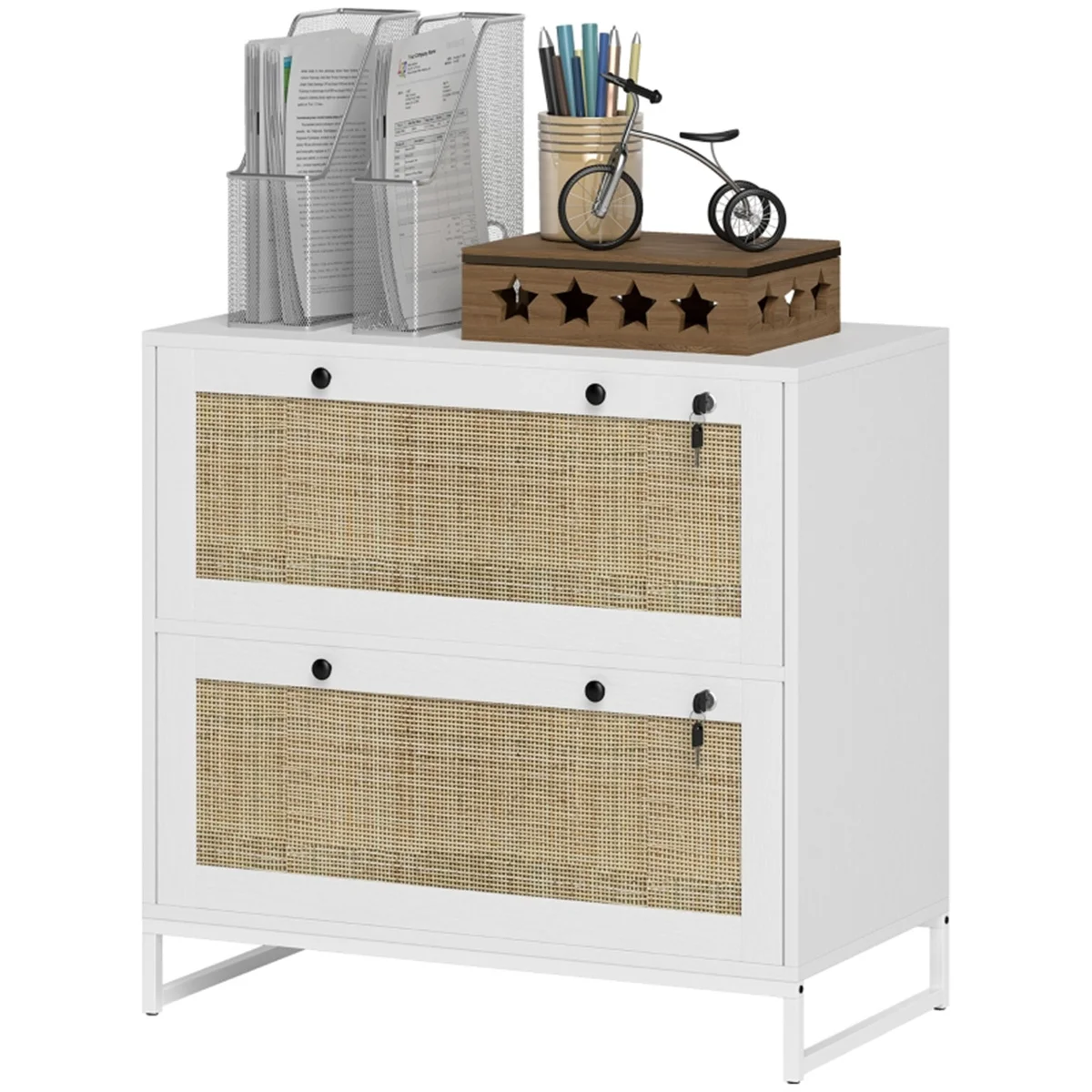
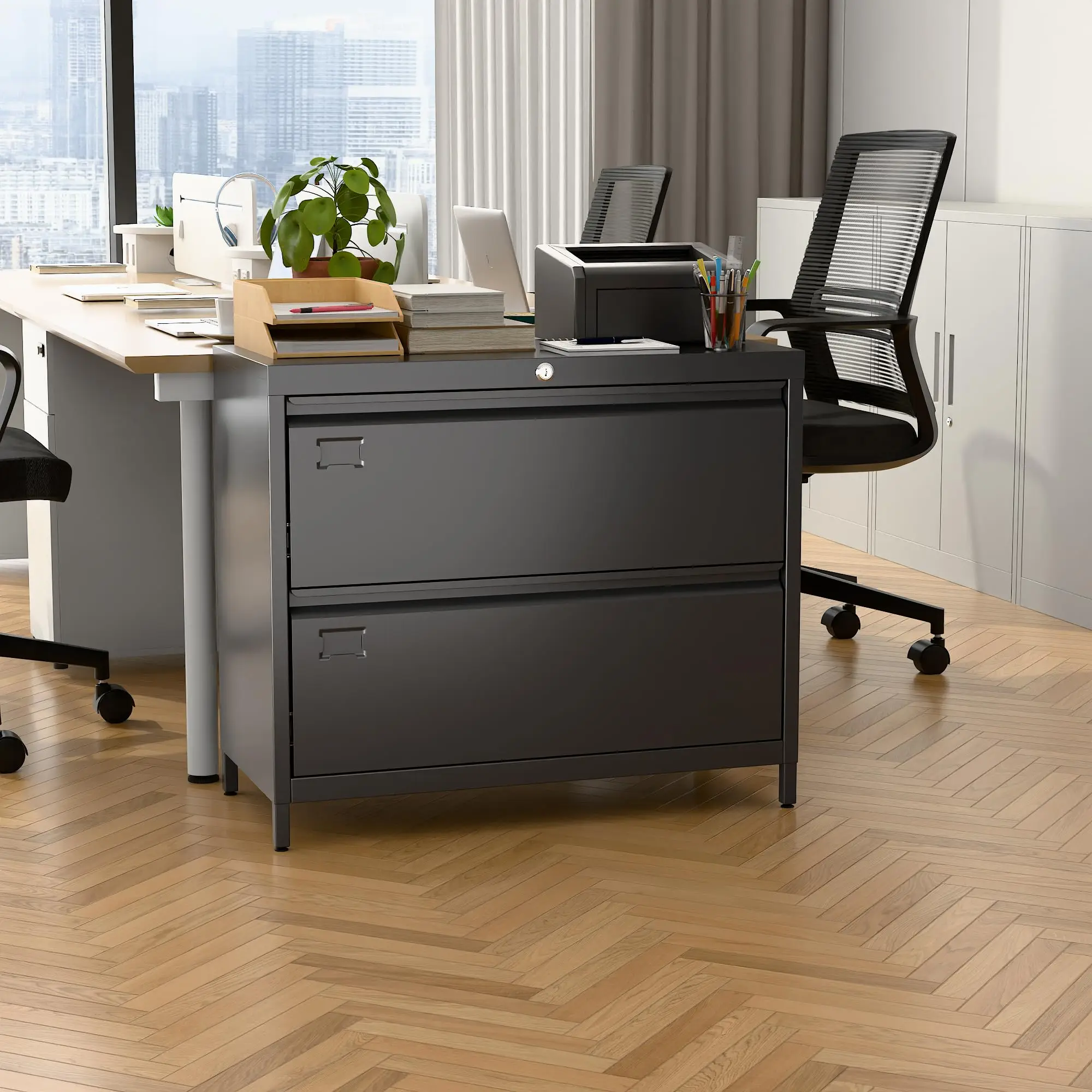
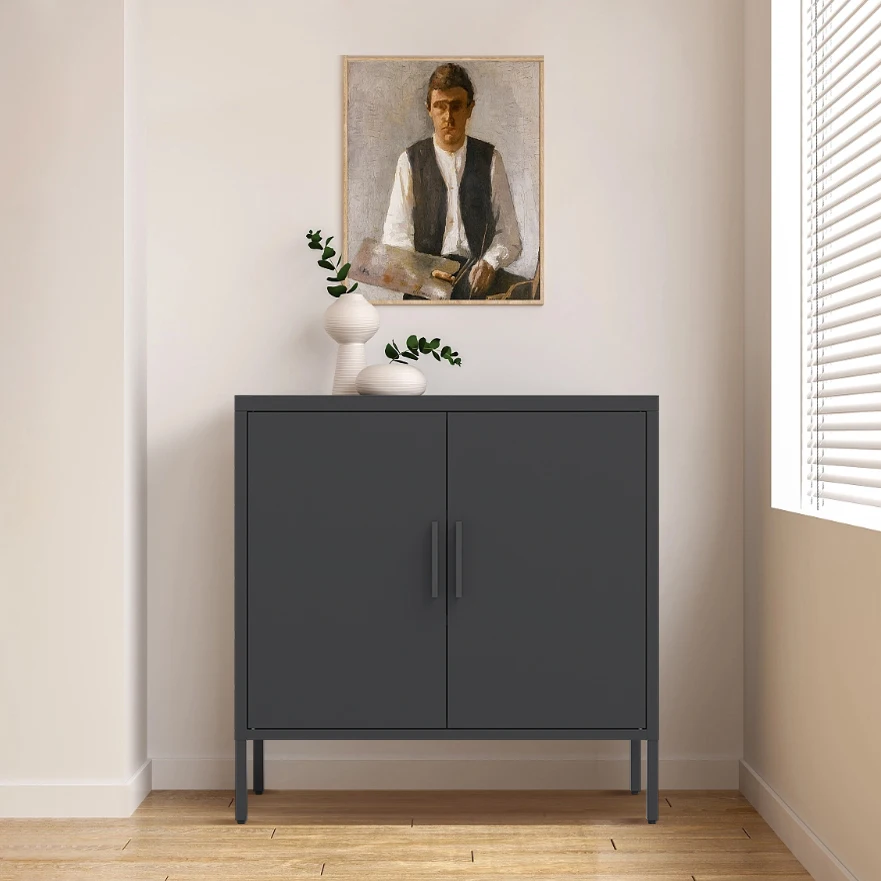
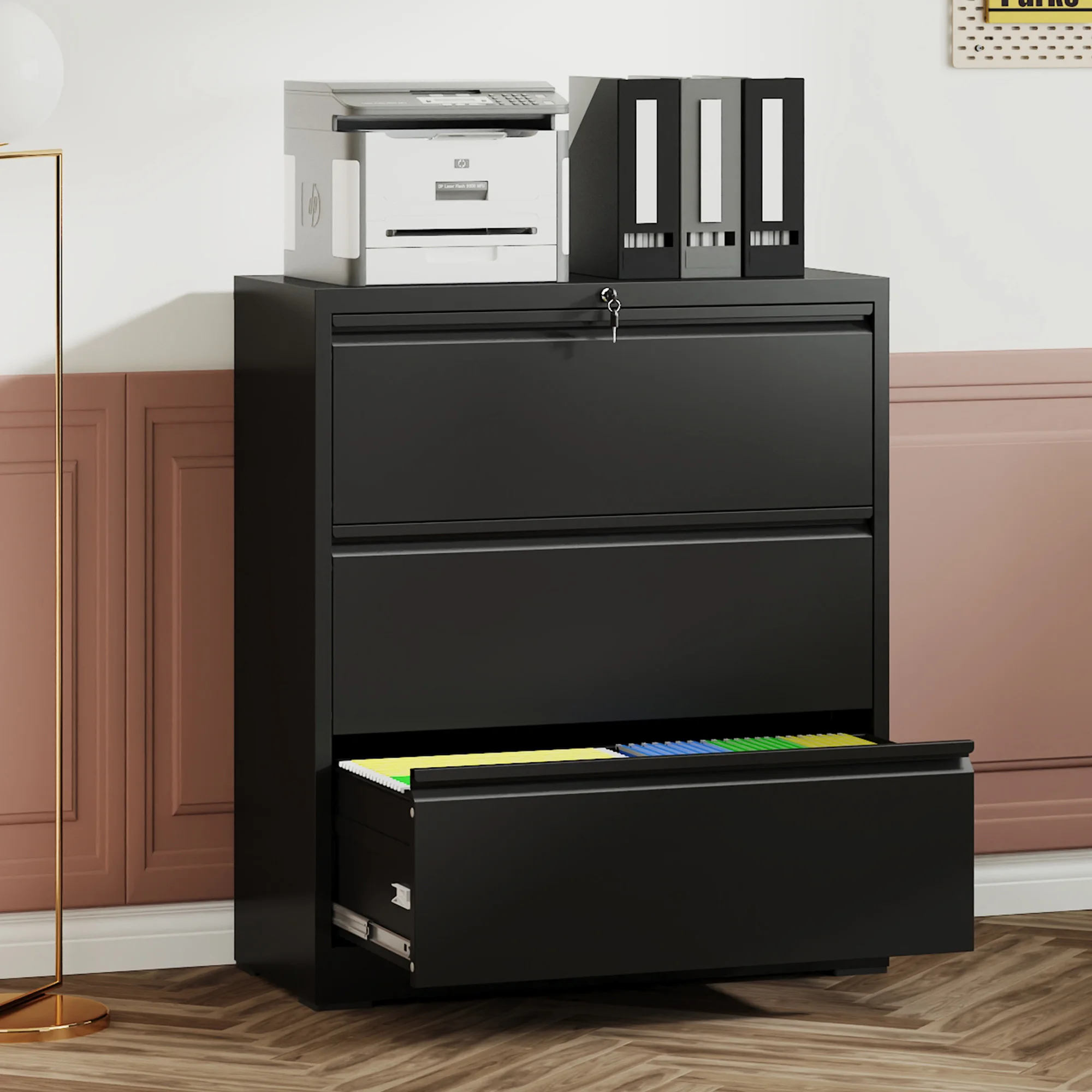
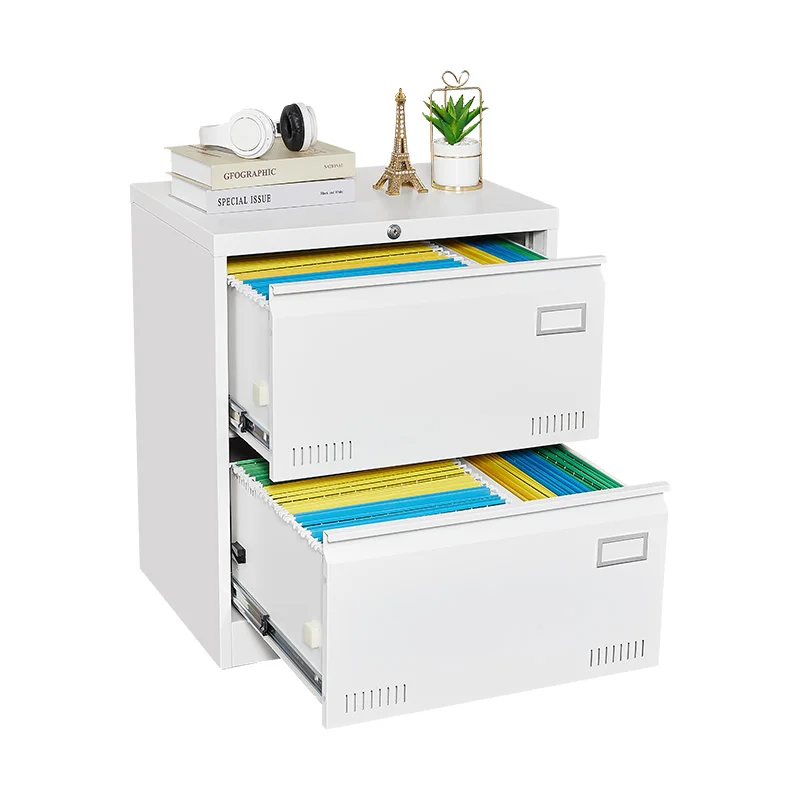
Ready to tame the paper pile? Explore Goldoma’s full collection of filing cabinets and find the perfect match for your space today.
