
Blog
The Best Ceiling Fans for Every Room: 6 Top Picks for Comfort & Style
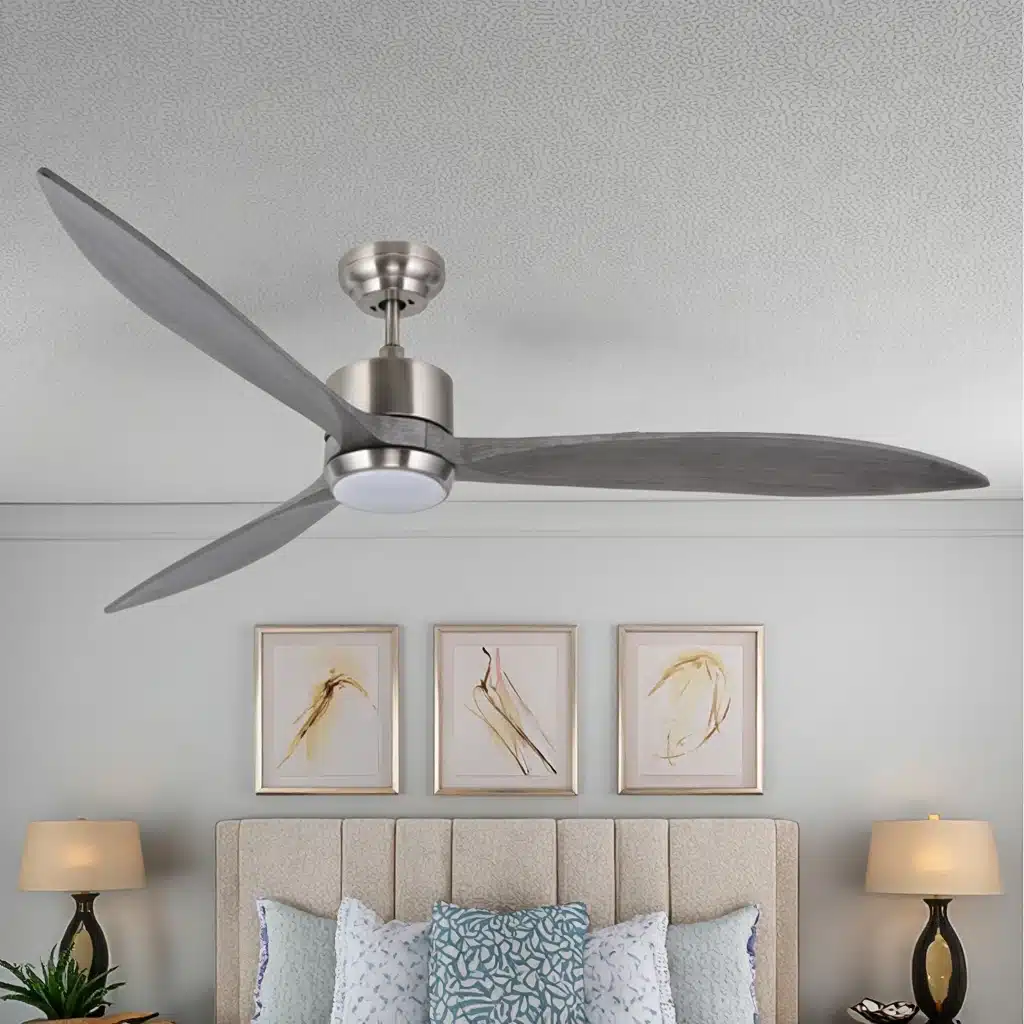
A ceiling fan is more than just a cooling appliance—it’s a design statement that can transform the comfort and ambiance of your home. Whether you’re looking to beat the summer heat, circulate air in a stuffy bedroom, or add a touch of rustic charm to your living room, the right fan makes all the difference. At Goldoma, we’ve curated a selection of the best ceiling fans that combine performance, style, and value. From sleek modern designs with smart app control to farmhouse-inspired caged fans, our top picks are chosen for their quiet operation, energy efficiency, and aesthetic appeal. Let’s dive into what makes a great ceiling fan and find the perfect match for your space.
How to Choose the Right Ceiling Fan Size
Size matters when it comes to ceiling fans. A fan that’s too small won’t move enough air, while one that’s too large can overwhelm a room. As a rule of thumb, measure your room’s square footage and match it to the fan’s blade span. For small rooms up to 75 sq. ft. (like a bathroom or small office), choose a fan with a 29- to 36-inch blade span. Medium rooms (75–144 sq. ft.), such as bedrooms and kitchens, work well with 36- to 42-inch fans. For larger rooms (144–225 sq. ft.), like living rooms and master bedrooms, opt for 44- to 50-inch fans. And for great rooms over 225 sq. ft., go big with 52 inches or more. Ceiling height also plays a role: if your ceiling is below 8 feet, choose a flush-mount or low-profile fan to avoid accidents. For ceilings 8–9 feet, a standard downrod works. Higher ceilings may need a longer downrod to optimize airflow. Our top picks include a range of sizes, from a compact 19.7-inch farmhouse fan to a grand 72-inch vintage model, so you can find the perfect fit.
Materials and Build Quality: What to Look For
The materials used in a ceiling fan affect its durability, appearance, and even its noise level. ABS plastic blades are lightweight, resistant to warping, and ideal for humid areas like bathrooms or covered porches. They’re also easy to clean. Wood blades offer a classic, warm look and natural grain, but they can warp in high humidity. Engineered wood or plywood is a more stable alternative. Metal finishes—such as brushed nickel, bronze, or matte black—add a modern or industrial touch and are typically powder-coated for rust resistance. The motor is the heart of the fan. DC motors are more energy-efficient, quieter, and offer more speed settings than traditional AC motors. They’re also lighter and can be controlled via remote or smart app. AC motors are more affordable and still reliable, but they may hum slightly and use more electricity. For ultimate quiet, look for fans with DC motors and aerodynamic blade designs. Many of our picks feature DC motors for whisper-quiet operation and energy savings.
Style and Features: Matching Your Decor and Lifestyle
Ceiling fans come in a variety of styles to complement any interior. Modern and contemporary fans often feature sleek lines, metallic finishes, and integrated LED lights. They pair well with minimalist or industrial decor. Farmhouse and rustic fans, like caged or cage-less designs with wood accents, add charm to country-style homes. Vintage fans with ornate details and large sizes make a statement in traditional living rooms. Consider the features that matter most to you. Remote control is a must for convenience, allowing you to adjust speed and light without leaving your seat. Smart app control takes it further, letting you schedule, dim, and even integrate with voice assistants. Reversible motors are essential for year-round use: in summer, run the fan counterclockwise to create a cooling breeze; in winter, switch to clockwise to circulate warm air. Timer functions and multiple speed settings add flexibility. If you need light, choose a fan with integrated LED—it’s energy-efficient and saves you from installing a separate fixture. Dimmable lights and adjustable color temperatures (warm, neutral, cool) are bonuses that enhance ambiance.
Installation, Care, and Maintenance Tips
Before installing a ceiling fan, ensure your electrical box is rated for fan support—if not, have a professional install a brace. Most fans come with detailed instructions, but if you’re unsure, hiring an electrician is wise. For safety, turn off power at the breaker. Balance is key to quiet operation: wobbling fans are often due to unbalanced blades or loose screws. Most kits include balancing weights. Regularly dust your fan blades with a microfiber cloth or vacuum brush to prevent buildup that can cause imbalance. For stubborn grime, a damp cloth with mild soap works, but avoid soaking the motor. Lubricate the motor bearings annually if recommended by the manufacturer. In humid areas, consider a fan rated for damp or wet locations. With proper care, a quality ceiling fan can last for decades, providing comfort and style season after season.
Our Top Picks


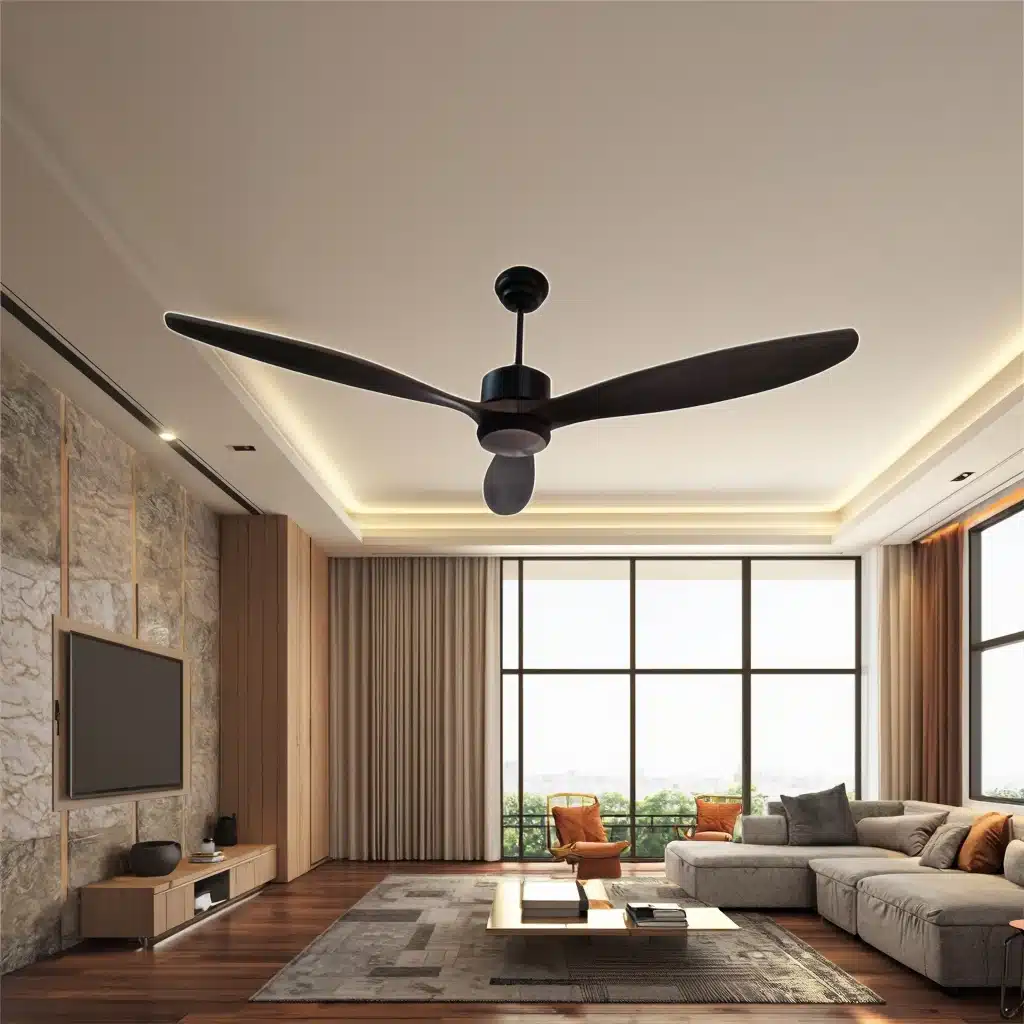
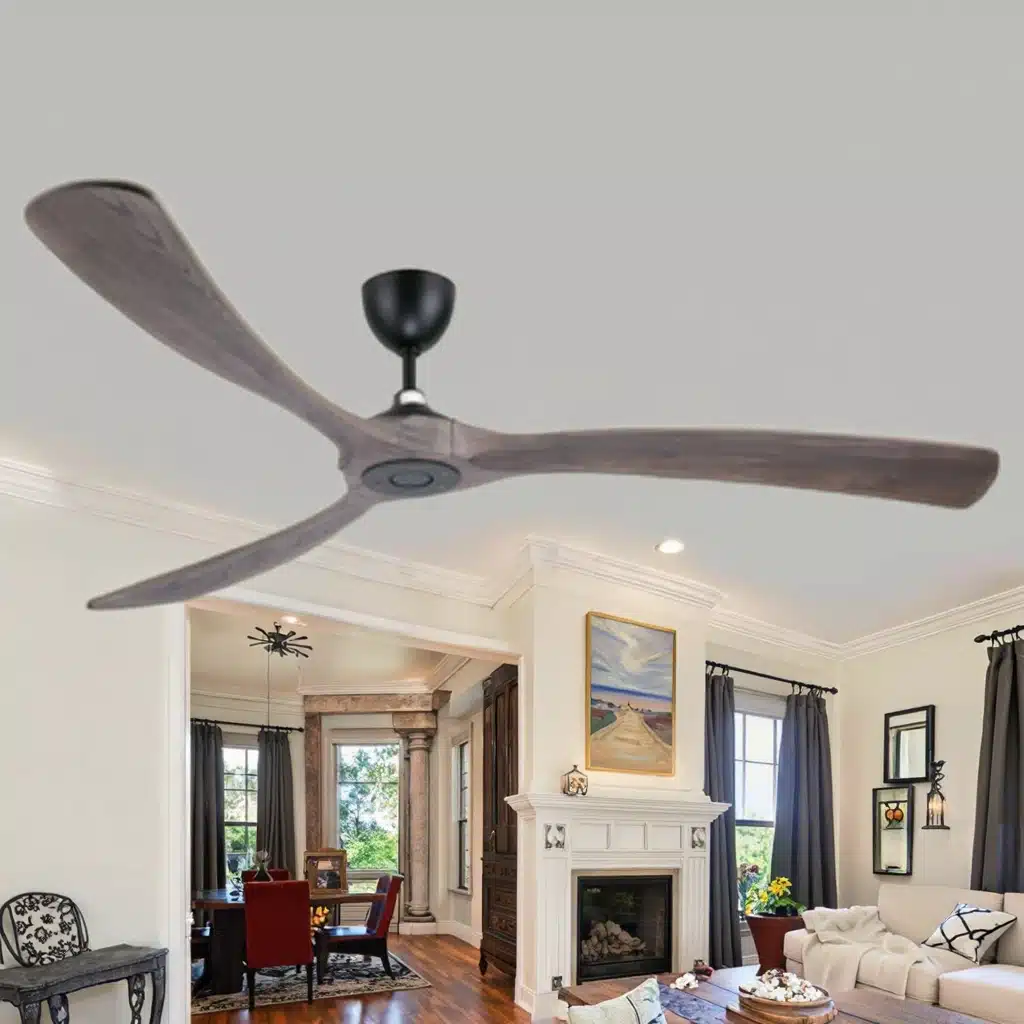

Ready to upgrade your comfort? Explore these best ceiling fans and more at Goldoma.com. With our curated selection, you’re sure to find the perfect blend of style and performance for your home.
