
Blog
The 6 Best Cutting Boards for Every Kitchen Task
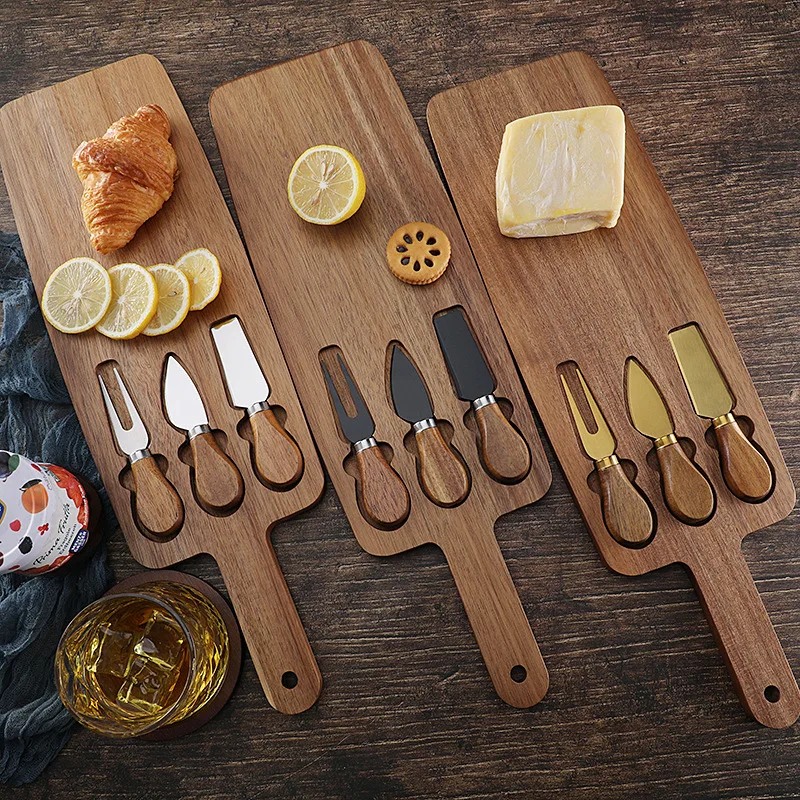
A great cutting board is the unsung hero of the kitchen. It’s where meals begin, where flavors are prepped, and where memories are made. But with so many materials, sizes, and styles, finding the right one can feel overwhelming. At Goldoma, we’ve curated a selection of cutting boards that blend craftsmanship, practicality, and beauty. Whether you’re slicing a juicy steak, kneading challah, or chopping veggies for a stir-fry, there’s a board here for you. Let’s explore the best cutting boards to elevate your culinary space.
How to Choose the Best Cutting Board for Your Needs
Choosing a cutting board isn’t just about picking a pretty slab—it’s about matching the board to your cooking style, kitchen space, and maintenance preferences. Start by considering what you cut most often. Meat lovers need a board with a juice groove and enough heft to stay put. Veggie enthusiasts might prefer a lightweight, easy-to-clean option. Bakers need a generous surface for kneading dough. Think about where you’ll store it: a heavy butcher block might live on the counter, while a foldable board can tuck into a drawer. Also, consider how many people you cook for—a large board saves time by handling big batches, while a small one is perfect for quick snacks. Finally, decide if you want a dedicated board for specific tasks (like a cheese board) or a multifunctional workhorse. Your answer will guide you toward the perfect pick.
Materials Matter: Wood, Plastic, Metal, and Beyond
Wood boards, like acacia or maple, are gentle on knives and naturally antimicrobial. They’re beautiful enough for serving, but require hand washing and occasional oiling. Acacia is a popular choice for its rich grain and durability, while maple is a classic for butcher blocks. Plastic boards are lightweight, dishwasher-safe, and budget-friendly, but they can harbor bacteria if scratched. Look for antibacterial-treated plastic for extra peace of mind. Metal boards, such as stainless steel or titanium, are ultra-hygienic, resistant to odors, and often dishwasher-safe. Titanium boards are incredibly thin and light, making them ideal for camping or small kitchens, though they can dull knives faster. Bamboo is a sustainable middle ground—harder than many woods, but still gentle on blades. Ultimately, the best material balances your cutting habits, cleaning routine, and aesthetic preferences.
Sizes and Shapes: Finding the Perfect Fit
Cutting boards come in a range of sizes, from petite 8-inch squares to extra-large 24-inch rectangles. A small board (up to 12 inches) is great for quick tasks like slicing fruit or mincing garlic. Medium boards (12–18 inches) are the Goldilocks zone for everyday cooking—big enough for a whole chicken or a pile of veggies, but still manageable. Large boards (18–24 inches) are for serious cooks who meal prep or entertain. They provide ample space for multiple ingredients and often feature juice grooves and handles for easy lifting. Shape also matters: rectangular boards offer maximum cutting area, while round or oval boards are lovely for cheese and charcuterie. If you’re short on counter space, consider a foldable or roll-up board that can bend over the sink or collapse for storage. And don’t forget thickness—thicker boards (1 inch or more) are sturdier and less likely to warp, while thin boards are lightweight and easy to store.
Special Features That Make a Difference
Modern cutting boards come with thoughtful extras that enhance functionality. Juice grooves catch liquids from roasts or juicy tomatoes, keeping your counter clean. Handles or finger holes make it easy to transfer chopped ingredients to the pot. Reversible designs give you two cutting surfaces—often one side with a groove, the other flat. Some boards include built-in sharpeners, garlic graters, or foldable legs that turn the board into a drying rack. Antibacterial coatings or naturally antimicrobial materials add hygiene. For outdoor enthusiasts, ultra-thin titanium boards are a game-changer. And for those who love to entertain, a dedicated cheese board with knives turns snack time into an event. Consider which features align with your lifestyle—they can transform a simple board into a versatile kitchen tool.
Caring for Your Cutting Board: Simple Steps for Longevity
Proper care extends the life of your cutting board and keeps it hygienic. Wood boards should be hand washed with mild soap and warm water, then dried immediately. Never soak them or put them in the dishwasher. Once a month, oil them with food-grade mineral oil to prevent drying and cracking. Plastic and metal boards are typically dishwasher-safe, but check the manufacturer’s instructions. For all boards, sanitize regularly with a vinegar solution or a diluted bleach rinse (for plastic only). Avoid cutting raw meat and vegetables on the same board without washing in between to prevent cross-contamination. Store boards upright or in a rack to allow air circulation. With a little care, a quality cutting board can last for years, becoming a trusted companion in your kitchen.
Our Top Picks
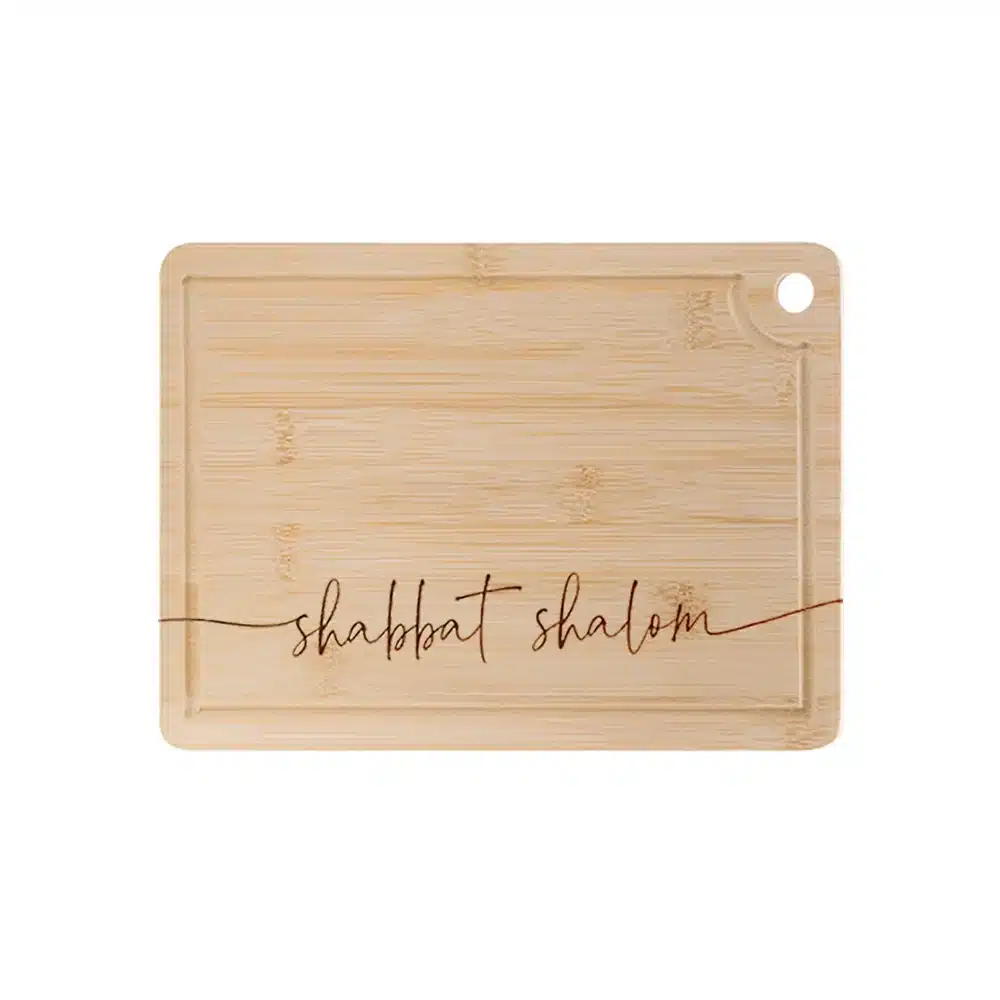

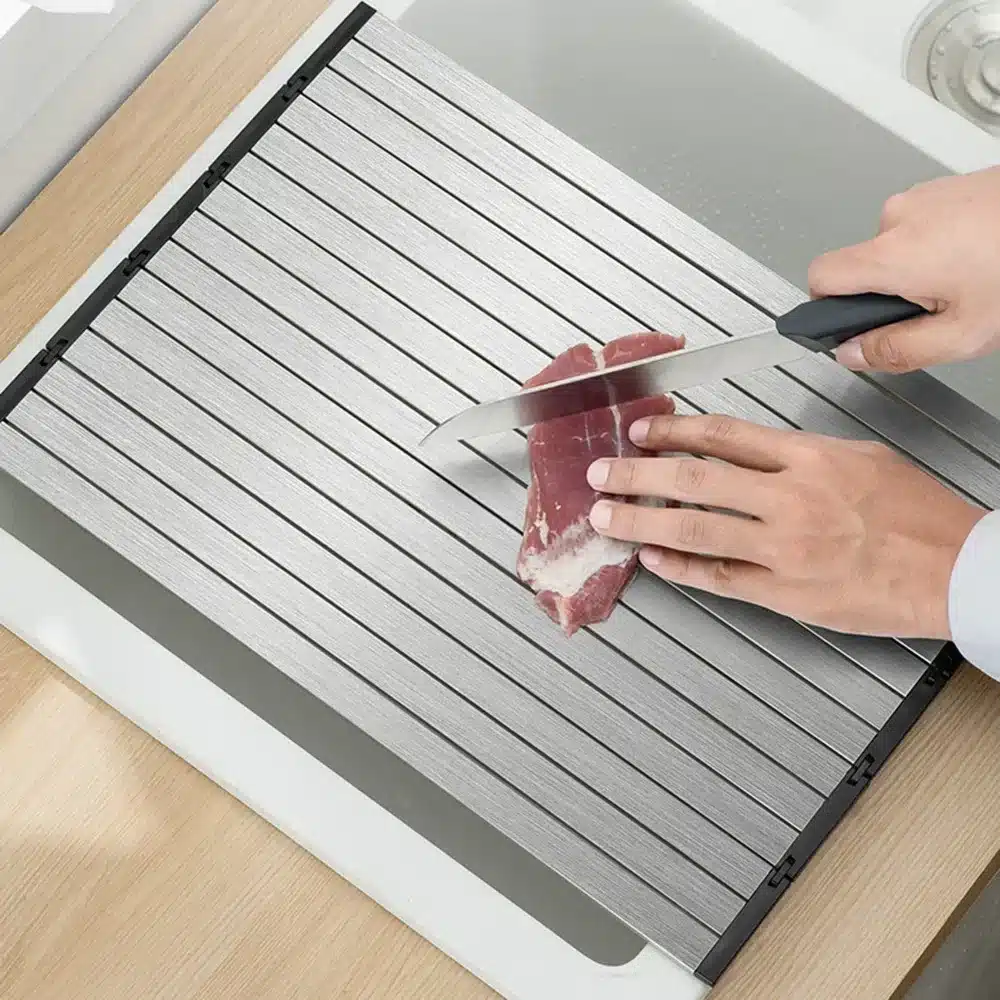


Ready to upgrade your kitchen? Explore Goldoma’s full collection of cutting boards and find your perfect match today.
