
Blog
The Best Outdoor Benches for Every Garden, Patio, and Porch in 2026
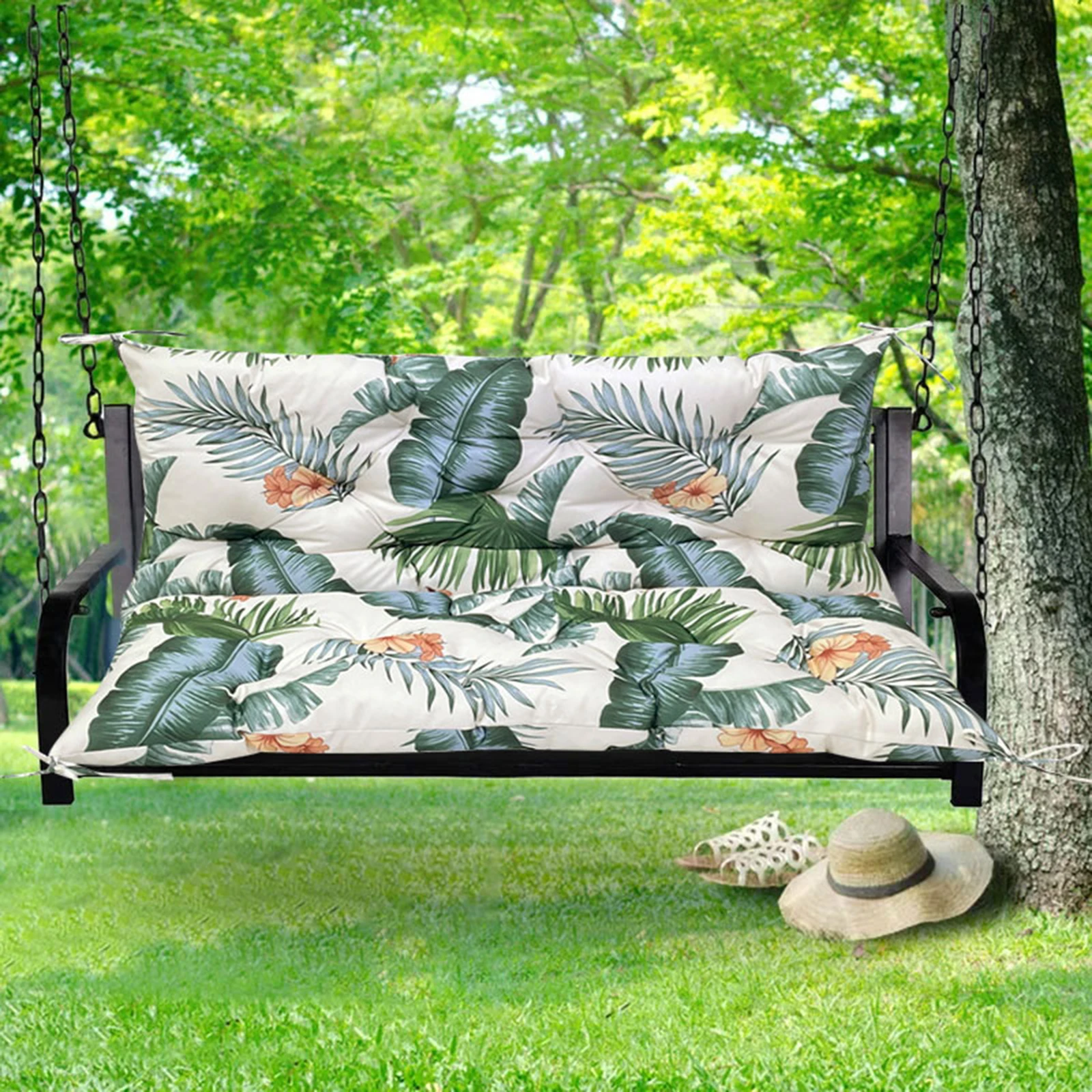
A great outdoor bench does more than fill a corner of your garden—it invites you to slow down, sip your morning coffee, and actually enjoy the space you’ve created. But with so many materials, sizes, and styles out there, choosing the right one can feel overwhelming. At Goldoma, we’ve narrowed it down to six standout benches that balance comfort, durability, and design. Whether you want a classic wooden seat under a tree or a cast-aluminum statement piece by the front door, this guide will help you pick the perfect perch for your outdoor space.
How to Choose the Right Outdoor Bench for Your Space
Before you fall for a pretty design, think about how you’ll actually use the bench. Will it be a quiet reading spot for one, a conversation seat for two, or a place to kick off muddy boots? That answer shapes everything from size to material. Measure your available space first—including clearance for legs and arms—and consider the bench’s weight. A lightweight metal bench is easy to move for mowing, while a solid wood or cast-iron piece stays put but may need two people to reposition. Also think about the surface underneath: a bench on a wooden deck needs protective feet, while one on grass or gravel should have wide, stable legs. Finally, decide if you want a bench that blends in with your landscaping or one that makes a bold statement. Both are valid—just be intentional.
Sizes and Proportions: Finding the Perfect Fit
Outdoor benches generally range from about 2 feet (a cozy single seat) to 6 feet (a generous three-seater). For a standard two-person bench, aim for 4 to 5 feet wide. Depth matters too: 18 to 22 inches is comfortable for sitting, while deeper benches may need extra cushions. Seat height is often overlooked—17 to 19 inches from the ground is ideal for most adults, letting you stand up without straining. If you’re placing the bench against a wall or railing, leave a few inches of breathing room so it doesn’t feel crammed. And if you’re pairing it with a dining table or fire pit, make sure the bench height matches the table’s seating height. Proportion is everything: a tiny bench on a sprawling patio looks lost, while an oversized bench on a small balcony feels oppressive.
Materials Matter: Wood, Metal, and Everything In Between
Wood is the classic choice for outdoor benches, offering warmth and a natural look that ages gracefully. Teak, acacia, and eucalyptus are naturally weather-resistant, while pine and fir need regular sealing. Expect to oil or seal wooden benches annually to prevent graying and cracking. Metal benches—cast aluminum, wrought iron, or steel—are incredibly durable and often more affordable. Cast aluminum won’t rust, making it a smart pick for humid climates, while wrought iron is heavier and more traditional. Powder-coated finishes add another layer of protection. If you want the best of both worlds, look for benches with wooden seats and metal frames. Cushions and pads can add comfort and color, but choose quick-drying, mold-resistant fabrics and bring them inside during heavy rain. No material is maintenance-free, but understanding the trade-offs helps you choose a bench that suits your climate and your willingness to care for it.
Styles That Suit Your Outdoor Aesthetic
Your bench should feel like a natural extension of your home’s style. For a cottage or traditional garden, wooden benches with slatted backs and curved arms are timeless. Modern spaces pair well with clean-lined metal or teak benches that have minimal ornamentation. If you love a touch of romance, cast-aluminum benches with floral motifs add a touch of Parisian charm. For an Asian-inspired garden, a dark wood bench with subtle cast-iron details can be stunning. Think about color, too: natural wood tones blend into greenery, while black or white metal creates crisp contrast. Don’t be afraid to mix materials—a weathered teak bench next to a powder-coated metal table can look effortlessly curated. Ultimately, the best style is the one that makes you smile every time you see it.
Care and Longevity: Keep Your Bench Beautiful for Years
Even the hardiest outdoor bench needs a little TLC. For wood, clean with mild soap and water, then apply a fresh coat of sealant or oil once a year—more often in harsh sun or wet climates. Metal benches should be wiped down regularly and touched up if you spot chips or rust. Cast aluminum is low-maintenance but benefits from a seasonal wash. Cushions should be stored in a dry place when not in use, and covers are a worthwhile investment if your bench lives outside year-round. In winter, consider moving lighter benches into a shed or garage to prevent frost damage. A little preventive care goes a long way: a well-maintained bench can last a decade or more, becoming a beloved part of your outdoor story.
Our Top Picks
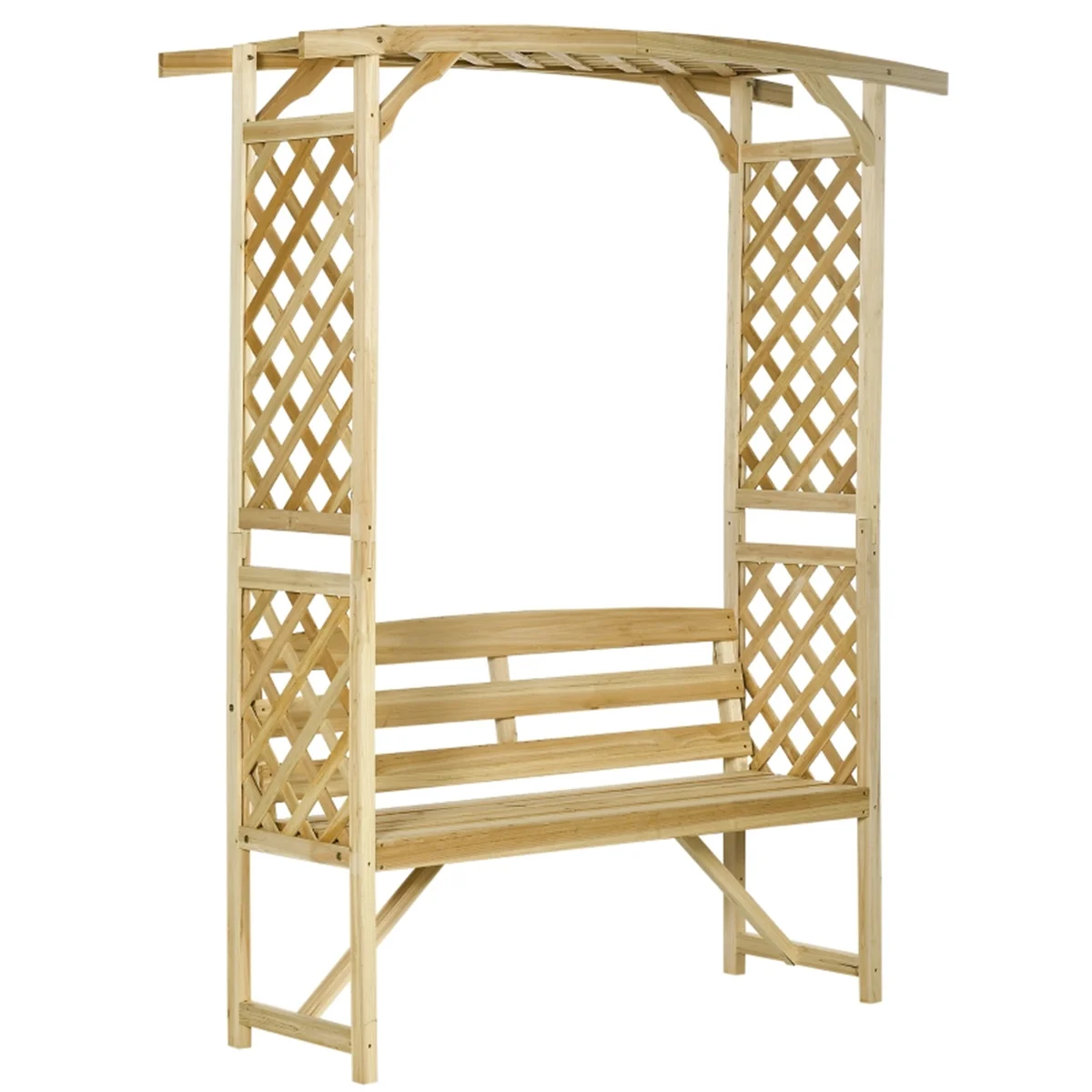
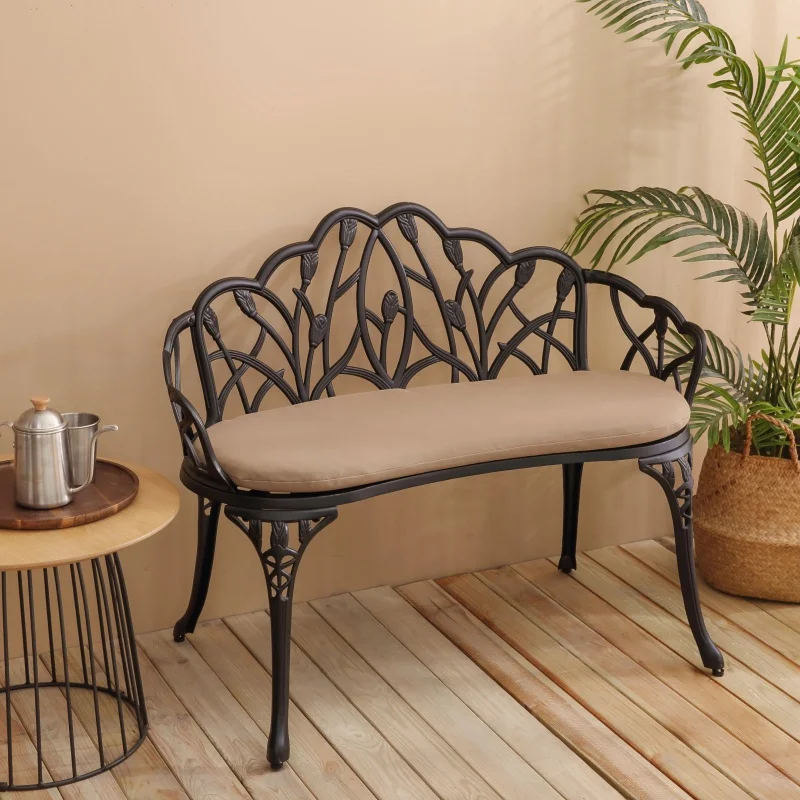
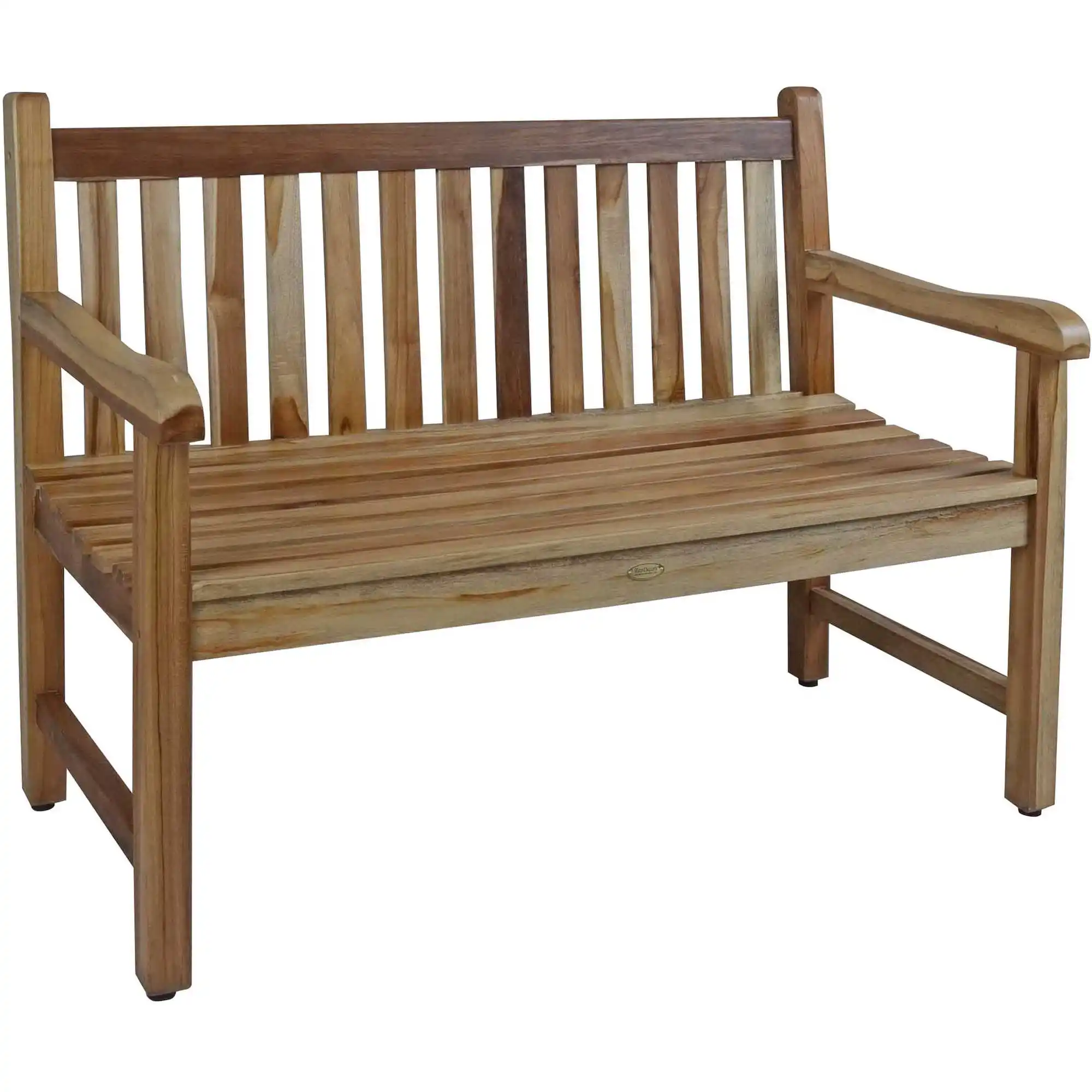
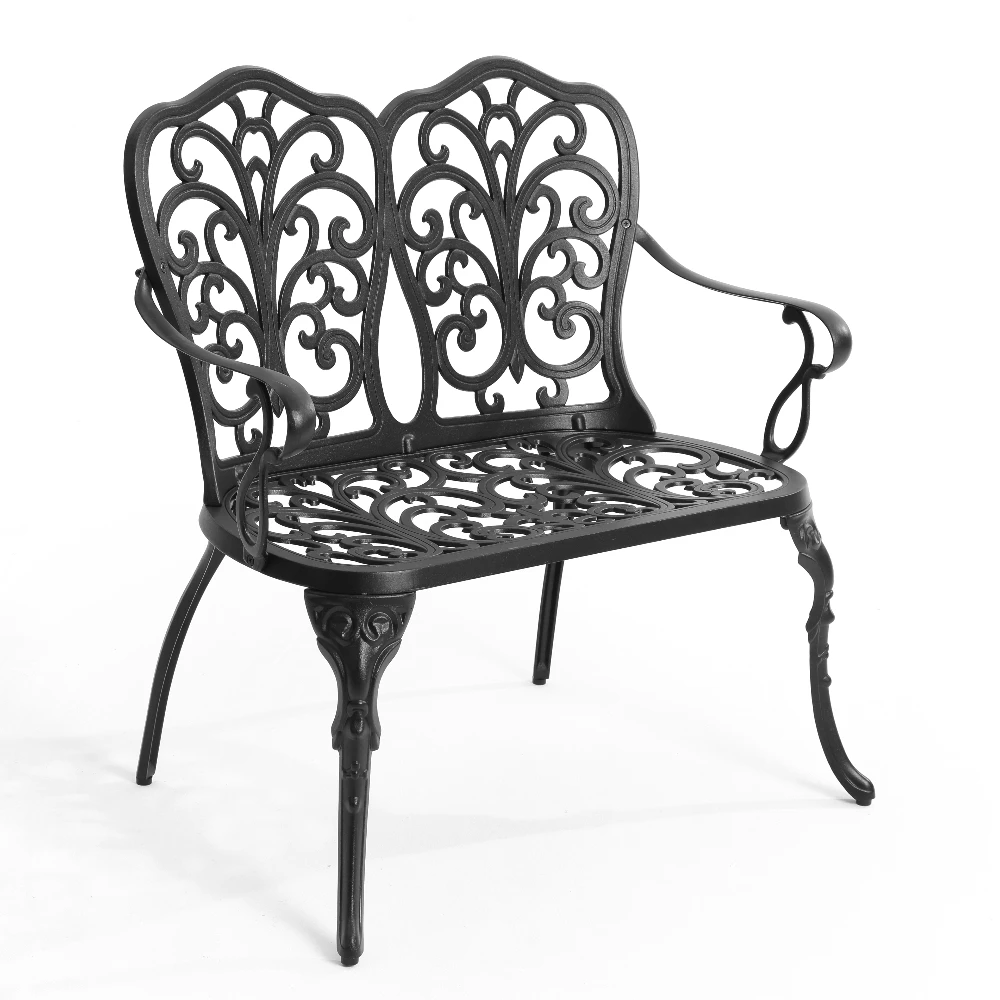
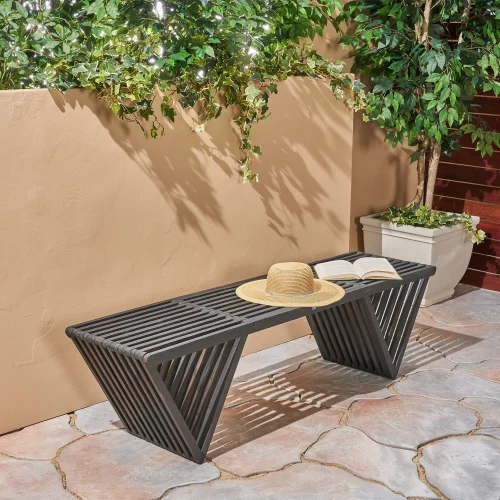
Ready to find your perfect outdoor bench? Explore our full collection at Goldoma and bring comfort, style, and a little more joy to your outdoor space.
