
Blog
Why You Need a 30cm Cast Iron Pan in Your Kitchen
Buying Guide
Your Perfect 30cm Cast Iron Pan Awaits
A 30cm cast iron pan is the workhorse of any kitchen, offering unmatched heat retention and versatility. Whether you’re searing steaks or baking cornbread, this size hits the sweet spot for most stovetops and ovens.
Why Choose a 30cm Cast Iron Pan?
A 30cm cast iron pan is the Goldilocks of cookware—not too big, not too small. It fits comfortably over most burner sizes, from gas to induction, and its generous surface area allows you to cook multiple servings at once. The weighty construction ensures even heating, eliminating hot spots that can ruin a delicate sauce or a perfect sear.
Cast iron’s heat retention is legendary. Once hot, a 30cm pan stays hot, making it ideal for tasks like frying chicken or pan-searing fish. And because it’s oven-safe, you can start a dish on the stovetop and finish it in the oven without switching pans.
If you’re cooking for a family or love to meal prep, this size is especially practical. It’s large enough for a whole chicken or a batch of roasted vegetables, yet manageable enough for everyday use.
Understanding Cast Iron: Material and Benefits
Cast iron is made by pouring molten iron into a mold, creating a dense, heavy material that excels at heat retention and distribution. Unlike thin stainless steel or nonstick pans, cast iron holds heat like a battery, releasing it steadily over time. This property is why cast iron is beloved for slow-cooking, braising, and deep-frying.
Another benefit is its durability. A well-maintained cast iron pan can last for generations. It’s naturally nonstick when seasoned properly, and it adds a small amount of dietary iron to your food—a bonus for those with iron deficiencies.
Cast iron also works on all cooktops, including induction, because it’s magnetic. And because it’s uncoated (unless enameled), you can use metal utensils without worry.
Key Features to Look for in a 30cm Cast Iron Pan
When shopping for a 30cm cast iron pan, consider these features:
- Weight: Heavier pans (around 5-7 lbs) offer better heat retention but can be harder to handle. Lighter pans may heat less evenly.
- Handle design: Look for a long, sturdy handle that stays cool on the stovetop. Some pans have a helper handle opposite the main one for easier lifting.
- Surface finish: Smooth surfaces (like hand-hammered pans) provide better nonstick properties after seasoning, while rougher surfaces can hold seasoning more easily.
- Rim and pour spouts: A slight rim helps prevent spills, while pour spouts on both sides make it easy to pour out grease or sauces.
- Oven safety: Ensure the pan is oven-safe to at least 400°F (200°C). Most cast iron pans are, but check for any plastic or wooden handles that might limit oven use.
How to Season and Care for Your Cast Iron Pan
Seasoning is the process of baking oil onto the pan’s surface to create a natural, nonstick coating. Here’s how to do it:
- Wash the pan with warm water and mild soap (if it’s new or rusted). Dry thoroughly.
- Apply a thin layer of vegetable oil or flaxseed oil to the entire pan, including the handle and exterior.
- Place the pan upside down in a preheated oven at 375°F (190°C) for one hour. Put a baking sheet on the rack below to catch drips.
- Let the pan cool in the oven. Repeat this process 2-3 times for a robust seasoning.
After each use, clean your cast iron pan with hot water and a stiff brush. Avoid soap (unless necessary) and never put it in the dishwasher. Dry immediately on the stove over low heat, then rub a thin layer of oil onto the surface to maintain the seasoning.
If food sticks or the pan looks dry, it’s time to reseason. For rust spots, scrub with steel wool and reseason immediately.
Top Uses for Your 30cm Cast Iron Pan
A 30cm cast iron pan is incredibly versatile. Here are some of the best ways to use it:
- Searing and frying: The high heat retention gives you a perfect crust on steaks, chicken thighs, and fish fillets.
- Baking: Cast iron is excellent for cornbread, skillet cookies, and even pizza. The even heat creates a crispy bottom.
- Roasting: Use it to roast vegetables, whole chickens, or pork loins. The pan can go directly from stovetop to oven.
- Deep-frying: The deep sides and heavy base make it safe and efficient for deep-frying foods like chicken or doughnuts.
- Slow cooking: Use it for braising meats or simmering stews on low heat. The lid (if you have one) helps retain moisture.
Comparing Cast Iron to Other Pan Materials
How does cast iron stack up against other materials?
- Nonstick pans: Lighter and easier to clean, but they can’t handle high heat and wear out after a few years. Cast iron is virtually indestructible.
- Stainless steel: Great for browning and deglazing, but it doesn’t retain heat as well and can be more expensive. Cast iron is more forgiving for beginners.
- Carbon steel: Similar to cast iron but lighter and more responsive. However, it warps more easily and requires similar seasoning care.
- Enameled cast iron: Has a smooth, non-reactive coating that doesn’t require seasoning. It’s easier to clean but can chip and is more expensive.
For most home cooks, a seasoned cast iron pan offers the best balance of performance, durability, and value.
Tips for Cooking with Cast Iron
Mastering cast iron cooking takes a little practice, but these tips will help:
- Preheat slowly: Always heat your pan gradually to avoid warping or cracking. Start on medium-low and increase as needed.
- Use enough fat: Cast iron needs oil or butter to create a nonstick effect. Don’t be shy—use a generous amount.
- Let food release naturally: If something sticks, don’t force it. Let it cook a bit longer; it will release when it’s ready.
- Avoid acidic foods: Prolonged cooking of tomatoes, wine, or citrus can strip the seasoning. If you do cook acidic foods, clean and reseason promptly.
- Store with care: Keep your pan dry and lightly oiled. If stacking with other pans, place a paper towel between them to protect the surface.
For more on the history and science of cast iron cookware, check out this Wikipedia article.
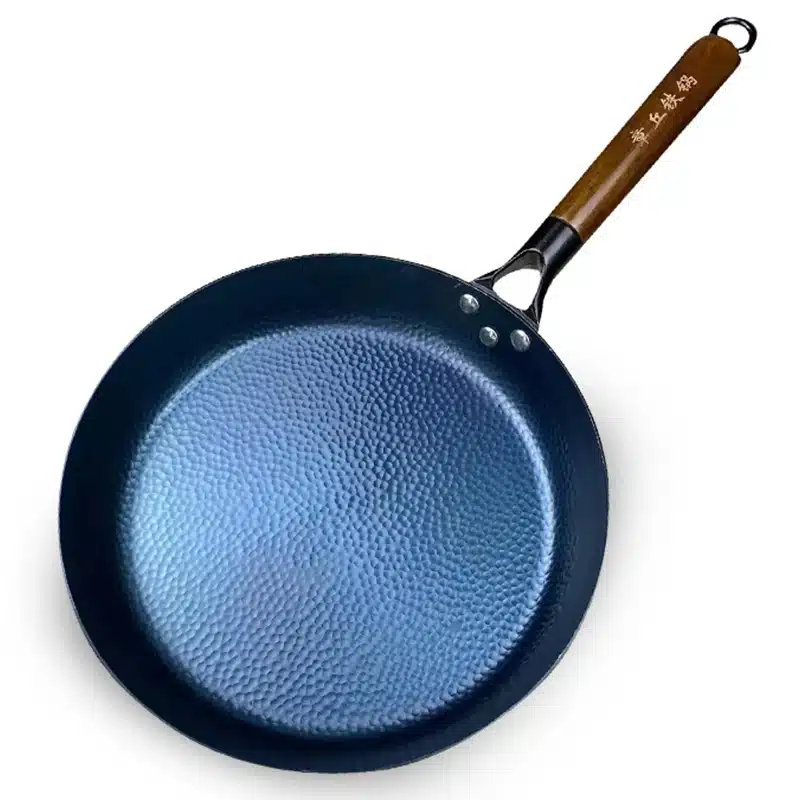
Cast Iron Frying Pan Hand hammering Uncoated Skillet Fried Egg Steak Kitchen Pan for Gas Stove Induction Cooker 30cm
For a hand-hammered, uncoated skillet that excels at frying eggs and steaks, consider the Cast Iron Frying Pan Hand hammering Uncoated Skillet Fried Egg Steak Kitchen Pan for Gas Stove Induction Cooker 30cm—it’s a reliable workhorse.
Frequently asked questions
Is a 30cm cast iron pan too heavy for everyday use?
A 30cm cast iron pan typically weighs around 5-7 pounds (2.3-3.2 kg), which can feel heavy for some. However, many cooks find the weight manageable, especially with a helper handle. If you’re concerned, try lifting one in a store before buying, or consider a lighter carbon steel option.
Can I use a 30cm cast iron pan on an induction cooktop?
Yes, cast iron is magnetic and works perfectly on induction cooktops. The flat bottom ensures good contact, and the heat retention is excellent for induction’s rapid heating. Just be careful not to slide the pan, as it can scratch the glass surface.
How do I clean a cast iron pan without ruining the seasoning?
Clean your pan while it’s still warm (but not hot) using hot water and a stiff brush. Avoid soap unless necessary; if you use soap, rinse thoroughly and dry immediately. Then rub a thin layer of oil over the surface to maintain seasoning.
What’s the best oil for seasoning a cast iron pan?
Flaxseed oil is popular for its high smoke point and ability to create a hard, durable seasoning. Vegetable oil, canola oil, and grapeseed oil also work well. Avoid butter or olive oil, as they can become sticky and rancid.
