
Blog
Best 27 Inch Brown Live Edge Cutting Board: Your Complete Buying Guide
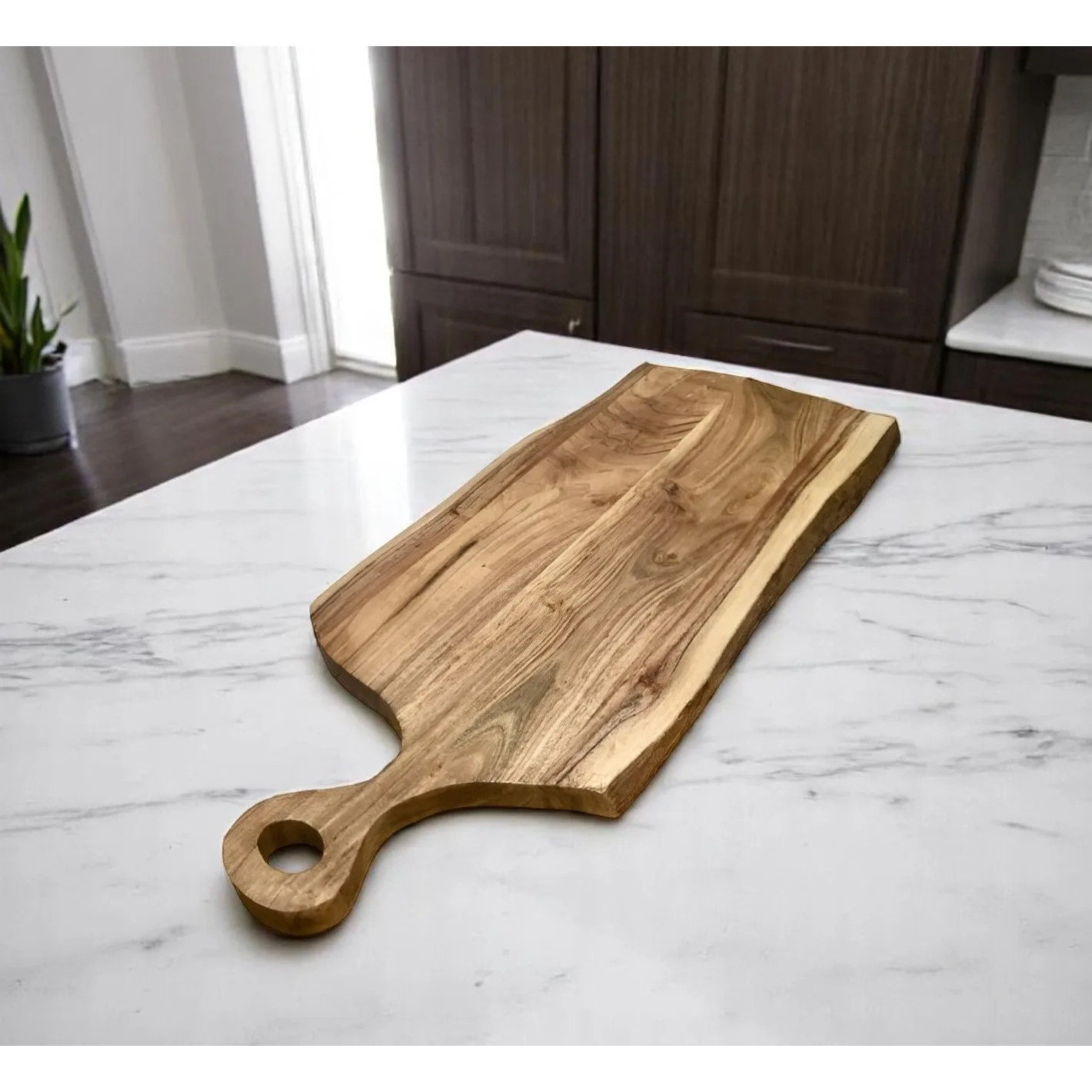
If you’re searching for the best 27 inch brown live edge cutting board, you’ve likely already fallen for the blend of rustic charm and practical kitchen real estate that these boards offer. A live edge cutting board isn’t just a tool; it’s a statement piece that brings nature’s artistry right to your countertop. But with so many options, how do you pick the one that’s perfect for you? Let’s walk through everything you need to know.
Why Choose a 27-Inch Live Edge Board?
Size matters when it comes to cutting boards. A 27-inch length gives you ample space for prepping large meals—think holiday roasts, multiple vegetables, or a whole loaf of artisan bread. The live edge, with its natural bark line or smooth curved edge, adds organic beauty that a standard rectangular board just can’t match. It’s like having a slice of a tree trunk in your kitchen, functional yet artistic.
Brown tones are particularly versatile. They complement most kitchen décors, from modern farmhouse to sleek contemporary. The warm, earthy hues of walnut, cherry, or acacia bring a cozy feel without being overpowering.
Wood Types: Which Brown Wood is Best?
The wood species determines durability, grain, and maintenance. Here are the most common brown woods used for live edge boards:
- Black Walnut: Rich, dark chocolate brown with a straight grain. It’s naturally antimicrobial and resistant to bacteria, making it a top choice for cutting boards. It’s also hard enough to withstand knife marks but gentle on blades.
- Cherry: Lighter reddish-brown that deepens with age. It’s slightly softer than walnut, which means it can show knife scars more easily, but it’s still a durable option with a beautiful patina.
- Acacia: Often a mix of golden and dark brown streaks. It’s very hard and water-resistant, but can be tough on knives. Great for charcuterie boards or serving, but less ideal for heavy chopping.
- Teak: Golden-brown with high oil content, making it naturally waterproof. It’s extremely durable but can be heavy and may require occasional oiling to maintain its color.
For a cutting board you’ll use daily, walnut or cherry are excellent choices. They balance hardness with knife-friendliness, and their brown tones are simply stunning.
Live Edge vs. Standard Cutting Boards
Standard boards are cut to precise rectangles or squares, while live edge boards preserve the natural contour of the wood slab. The result? Each board is unique, with its own shape, grain pattern, and sometimes even bark. Live edge boards often have a more organic, rustic feel, making them perfect for display when not in use.
However, the irregular shape can be less stable on the counter. Look for boards with rubber feet or a flat bottom to prevent wobbling. Also, the bark can sometimes peel over time, so many high-quality boards have the bark removed and the edge sanded smooth—called a “bark-on” or “bark-off” style. Bark-off is generally more practical for a cutting board.
Key Features to Look For
When shopping for a 27-inch brown live edge cutting board, pay attention to these details:
- Thickness: At least 1.5 inches to prevent warping and provide a sturdy surface. Thicker boards also look more substantial.
- Finish: Look for food-safe mineral oil or a blend of beeswax and oil. Avoid varnishes or lacquers that can chip into food.
- Juice Groove: A carved channel around the edge catches juices from meat or fruit, keeping your counter clean. Not essential, but very handy.
- Handles: Cutouts or routed handles make lifting easier, especially for a 27-inch board that can be heavy.
- Sustainability: Check if the wood is sourced from managed forests or reclaimed sources. Many craftsmen use fallen trees, which adds to the eco-friendly appeal.
How to Maintain Your Live Edge Board
Proper care ensures your board lasts for years. Here’s a simple routine:
Cleaning
Wash with mild soap and warm water immediately after use. Never soak it in water or put it in the dishwasher—the moisture can cause cracks. Dry with a towel and let it air dry upright.
Oiling
Apply food-grade mineral oil once a month or when the wood looks dry. Rub it in generously with a cloth, let it absorb for a few hours, then wipe off excess. For extra protection, use a beeswax conditioner every few months.
Stain Removal
For stubborn stains, sprinkle coarse salt and rub with half a lemon. The salt acts as a gentle abrasive, and the lemon’s acidity lifts stains. Rinse and oil afterward.
Size and Space Considerations
Before buying, measure your counter space. A 27-inch board needs at least 30 inches of clear counter length. Also consider storage: will it fit in your cabinet or on your counter? If you have limited space, a board with a hanging hole can be stored on a wall hook as décor.
Think about how you’ll use it. If you frequently chop large quantities, the extra length is a game-changer. For smaller tasks, a 27-inch board might be overkill—but it doubles as a serving platter for cheese and charcuterie, making it versatile.
Where to Buy and What to Expect
You can find live edge boards at local craft fairs, online marketplaces, or specialty kitchen stores. Prices vary widely based on wood type, craftsmanship, and size. A quality 27-inch board from a reputable seller typically ranges from $80 to $200. Be wary of extremely cheap boards—they may be made from glued-together scraps or have a poor finish.
Read reviews and look for photos of the actual board you’ll receive, since each one is unique. Many sellers offer custom orders if you have a specific shape or wood in mind.
As you consider your options, a board like our 27″ Brown Live Edge Solid Wood Cutting Board Kitchen Cooking Tool embodies the qualities we’ve discussed: solid walnut construction, bark-off live edge, juice groove, and a food-safe oil finish—a reliable choice for everyday use.
27″ Brown Live Edge Solid Wood Cutting Board Kitchen Cooking Tool
If you want a board that balances beauty and practicality, the 27″ Brown Live Edge Solid Wood Cutting Board Kitchen Cooking Tool offers the ideal size and quality for daily use.
Frequently asked questions
Is a live edge cutting board safe for cutting raw meat?
Yes, but only if it’s made from a non-porous hardwood like walnut or maple. The natural antimicrobial properties of these woods help inhibit bacteria. Always clean thoroughly after use with soap and hot water, and oil regularly to maintain the seal.
Can I use a live edge board for chopping as well as serving?
Absolutely. Many people use them as dual-purpose boards for chopping and then serving cheeses or appetizers. Just be mindful that heavy chopping can leave marks, but that adds to the board’s character. For a pristine serving surface, use the reverse side if both sides are finished.
How do I prevent my live edge board from cracking?
Prevent cracks by avoiding drastic temperature changes, not soaking the board, and oiling it regularly. If you live in a dry climate, consider using a humidifier in your kitchen or placing the board away from direct heat sources like stoves or radiators.
What’s the best oil for a brown live edge cutting board?
Food-grade mineral oil is the most common and affordable. It doesn’t go rancid and is odorless. For a deeper finish, use a mixture of mineral oil and beeswax. Some people prefer walnut oil or coconut oil, but these can go rancid over time if not used frequently. Stick with mineral oil for low-maintenance care.
Free worldwide shipping · 30-day returns · here to help, 7 days a week.
