
Blog
Best Acacia Wood Marble Cutting Board: A Complete Guide
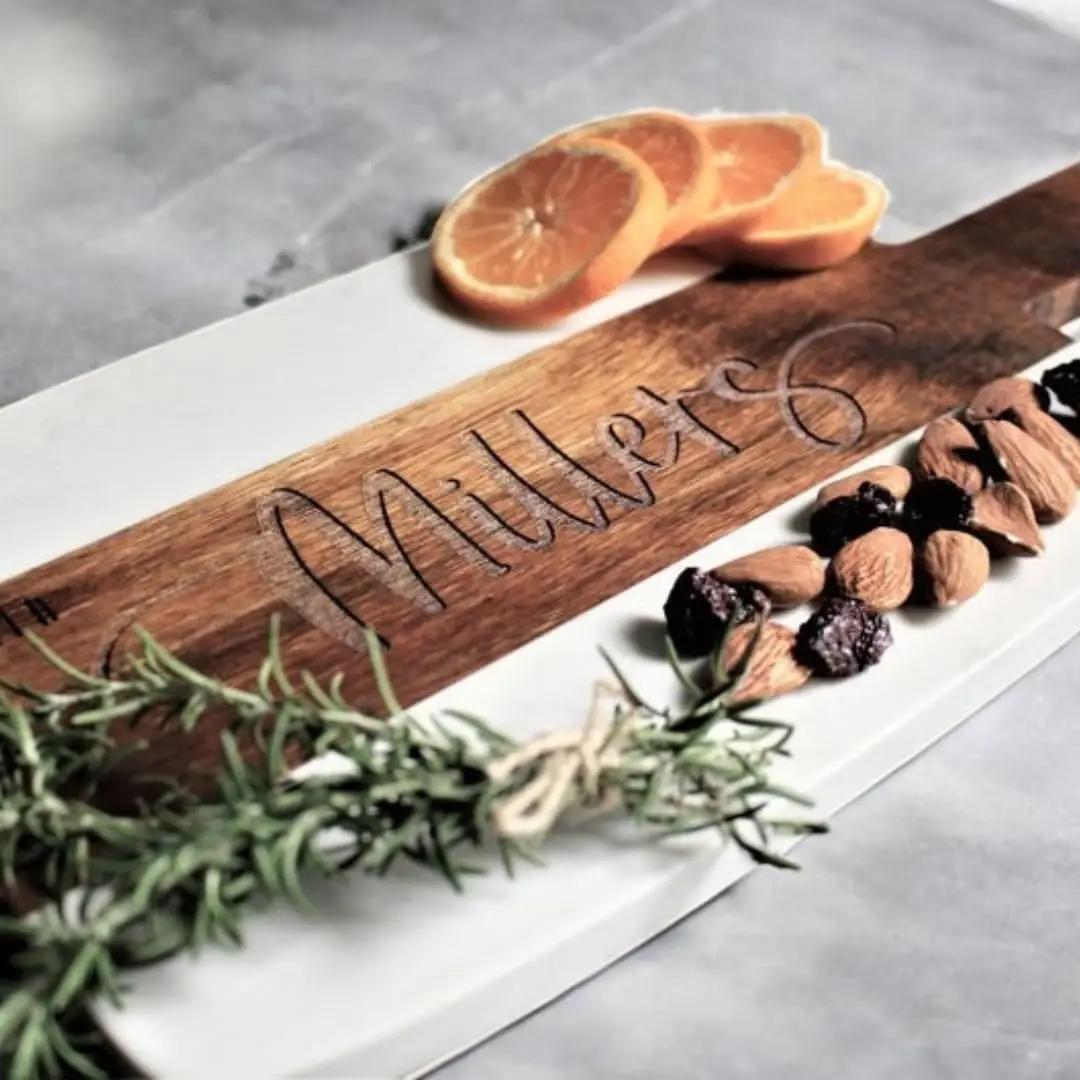
If you’re looking for the best acacia wood marble cutting board, you’re probably after something that looks beautiful and lasts. I’ve spent years testing kitchen tools, and I can tell you—acacia wood paired with marble is a winning combo. It’s sturdy, naturally antimicrobial, and adds warmth to any counter. Let’s dig into what makes a great board and how to pick one that fits your life.
Why Acacia Wood Is a Top Choice for Cutting Boards
Acacia wood is dense and hard—harder than maple or walnut. That means it resists knife marks better and won’t warp easily. It also has a natural resistance to moisture and bacteria, which is crucial for a cutting surface. The grain is striking, with rich browns and golds that look even better over time.
Marble Meets Wood: The Best of Both Worlds
A marble section is perfect for rolling dough or serving cheese, while the wood side is gentle on your knives. Look for a board where the marble is securely inlaid—no gaps where crumbs can hide. A thoughtful design will have a slight lip or groove to catch juices. Some boards even have a handle, making it easy to carry from counter to table.
What to Look for in Size and Thickness
Think about your counter space and how you cook. A board that’s 12×16 inches is versatile for most tasks. Thickness matters too: at least 1.5 inches prevents warping and gives the board heft so it doesn’t slide. Heavier boards stay put, which is safer when chopping.
- Length: 16–20 inches for general use
- Width: 12–14 inches to fit most sinks for cleaning
- Thickness: 1.5–2 inches for stability
How to Care for an Acacia Wood Marble Board
Wood needs oil, marble needs gentle cleaning. Every month, rub the wood with food-safe mineral oil. For the marble, wipe with mild soap and water—never vinegar or lemon, which can etch the stone. Dry immediately to prevent staining. Avoid dishwasher or soaking; hand wash only.
Quick Tips for Longevity
Store your board flat or on its side, not leaning. If it develops a stain on the marble, make a paste of baking soda and water, let it sit, then rinse. A well-cared-for board can last decades.
Design Features That Make a Difference
A juice groove is non-negotiable if you carve meat. A handle makes carrying effortless. Some boards come with a non-slip silicone base—great for stability. For serving, look for a board with a marble section that’s large enough for a cheese wheel or a stack of crackers.
One option that checks many boxes is a board like our Pack of 10 Marble and Wood Cutting Board Acacia Wooden Marble Serving Tray with Handle Charcuterie Chopping Board for Kitchen, which combines a spacious acacia wood surface with a smooth marble inlay, a handy handle, and a juice groove. It’s versatile enough for daily chopping and elegant for entertaining.
Acacia vs. Other Woods: Why It Wins
Compared to bamboo (which can be hard on knives) or teak (expensive), acacia offers a great balance of durability and price. It’s also more water-resistant than maple. And the grain patterns are unique—no two boards look exactly alike.
Matching Your Board to Your Kitchen Style
Acacia’s warm tones complement both modern and rustic kitchens. Marble adds a touch of sophistication. Consider whether you want a rectangular board for efficiency or a round one for serving. Some boards come with a leather strap for hanging—nice for display.
Pack of 10 Marble and Wood Cutting Board Acacia Wooden Marble Serving Tray with Handle Charcuterie Chopping Board for Kitchen
If you want a reliable, multipurpose board that handles daily cutting and looks great for serving, the Pack of 10 Marble and Wood Cutting Board is a thoughtful choice with solid construction and thoughtful details.
Frequently asked questions
Can I use an acacia wood marble cutting board for raw meat?
Yes, the wood side is safe for raw meat as acacia is naturally antimicrobial. Just wash thoroughly with hot soapy water after use, and avoid cross-contamination by using separate boards for meat and produce if you prefer.
How do I remove stains from the marble part?
Make a paste of baking soda and water, apply it to the stain, cover with plastic wrap, and let it sit for 24 hours. Rinse and dry. For stubborn stains, repeat or use a marble-specific cleaner.
Is it okay to put the board in the dishwasher?
No, never. The high heat and moisture can warp the wood and dull the marble. Always hand wash with mild soap and a soft sponge, then dry immediately.
How often should I oil the acacia wood?
Once a month, or when the wood looks dry. Apply a thin coat of food-grade mineral oil, let it soak in for a few hours, then wipe off excess. Regular oiling keeps the wood hydrated and prevents cracking.
Free worldwide shipping · 30-day returns · here to help, 7 days a week.
