
Blog
Acacia Wood Cutting Board: The Ultimate Buying Guide
Kitchen Essentials
The Complete Acacia Wood Cutting Board Guide
An acacia wood cutting board is a durable, eco-friendly choice for any kitchen. Here’s what you need to know before buying one.
Why Choose an Acacia Wood Cutting Board?
Acacia wood is renowned for its hardness and natural resistance to moisture, making it an ideal material for cutting boards. Unlike softer woods, an acacia wood cutting board can withstand daily chopping without showing deep knife marks. Its tight grain structure also prevents liquids from seeping in, reducing the risk of bacterial growth. Plus, acacia is a fast-growing, sustainable resource, so you can feel good about your purchase.
Key Features to Look For
When shopping for an acacia wood cutting board, consider these factors:
- Thickness: A board at least 1.5 inches thick provides stability and prevents warping.
- Grain Orientation: End-grain boards are gentler on knives, while edge-grain boards are more affordable.
- Finish: Look for food-safe mineral oil or beeswax finishes that seal the wood.
- Size: Choose a board that fits your counter and tasks—12×18 inches is versatile for most kitchens.
How to Maintain Your Acacia Wood Cutting Board
Proper care extends the life of your board. After each use, hand wash with mild soap and warm water, then dry immediately. Never soak or put it in the dishwasher. Monthly, apply a coat of food-grade mineral oil to keep the wood hydrated. For deeper conditioning, use a beeswax-based conditioner. Avoid cutting raw meat directly on the board unless it’s designated for that purpose, or sanitize it thoroughly after use.
Comparing Acacia to Other Woods
Acacia offers a great balance of hardness, cost, and appearance. While harder than maple or walnut, it can be slightly more prone to splitting if not cared for properly. Teak is similar in durability but more expensive. Bamboo is harder than acacia but may dull knives faster. For an eco-friendly, budget-friendly option, acacia is hard to beat. Learn more about wood hardness on Wikipedia’s Janka hardness test page.
Design and Aesthetic Appeal
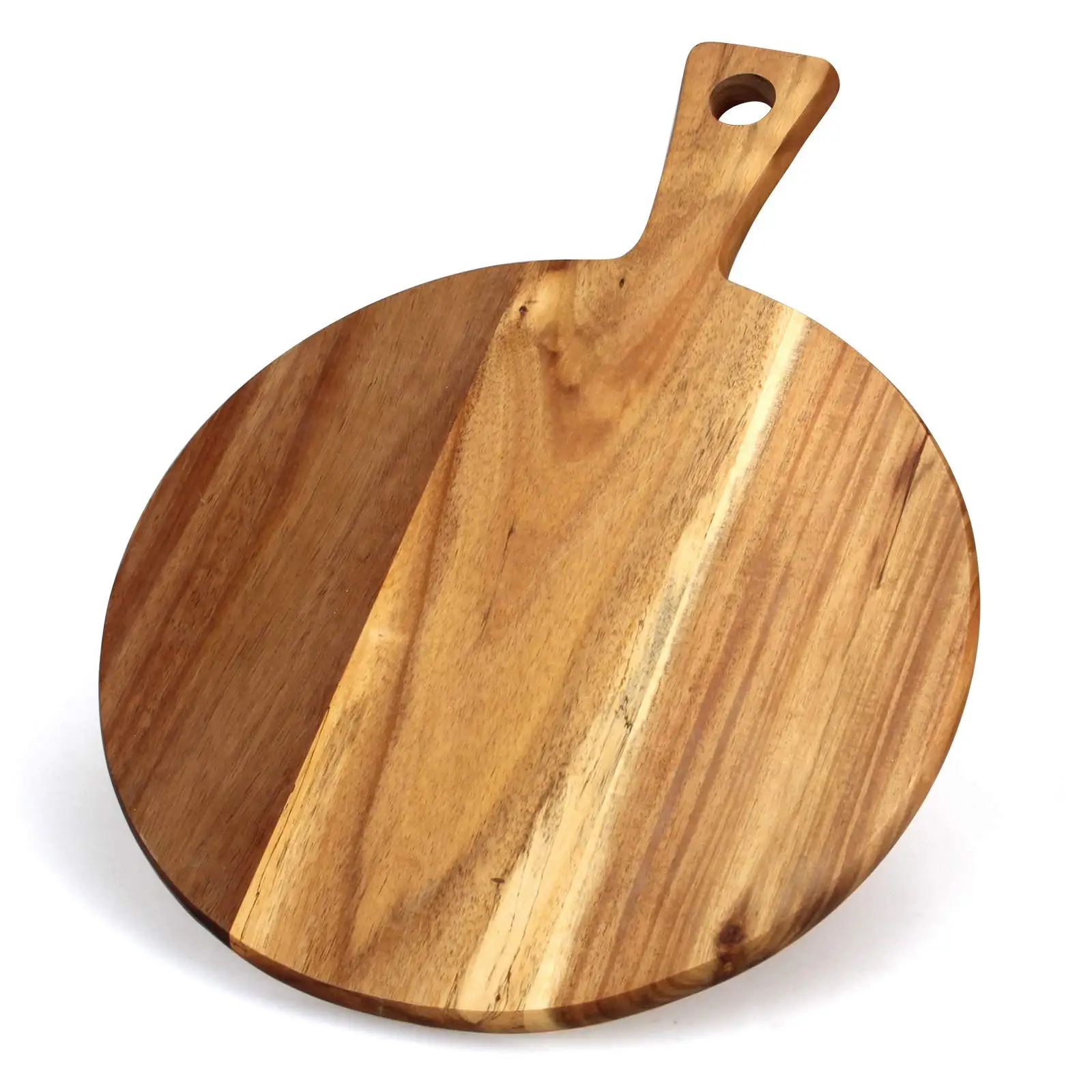
Acacia wood naturally varies in color from golden brown to deep amber, with striking grain patterns. Many boards come in round, rectangle, or custom shapes, adding warmth to your kitchen. Some feature juice grooves or handles for convenience. If you value both function and style, an acacia wood cutting board can double as a serving platter for cheese or bread.
Eco-Friendly and Sustainable Choice
Acacia trees grow quickly and require less water than many hardwoods, making them a renewable resource. Choosing a board from responsibly managed forests supports sustainable forestry practices. Plus, wood cutting boards have a lower carbon footprint than plastic ones, which are petroleum-based. By opting for acacia, you’re reducing waste and choosing a biodegradable product.
Common Mistakes to Avoid
Don’t use olive oil or vegetable oil on your board—they can go rancid. Avoid leaving it near heat sources or in direct sunlight, which can cause cracking. Never cut with a dull knife, as it can dent the surface more. And remember: a little knife wear is normal and adds character, but deep gouges should be sanded out periodically.
Final Thoughts on Acacia Wood Cutting Boards
An acacia wood cutting board is a practical, beautiful investment for your kitchen. With proper care, it can last for years while keeping your knives sharp and your countertops safe. Whether you’re a home cook or professional chef, acacia offers durability, sustainability, and timeless style. Consider one for your next kitchen upgrade.
Modern Eco-Friendly Acacia Wood Chopping Board Natural Style Home Cutting Block with Round & Rectangle Pattern
Our Modern Eco-Friendly Acacia Wood Chopping Board combines natural beauty with a unique round and rectangle pattern, perfect for everyday use and entertaining.
Frequently asked questions
Is acacia wood cutting board good for knives?
Yes, acacia is hard but not as hard as bamboo, so it’s gentle on knife edges while still durable. End-grain boards are especially knife-friendly.
How do I clean an acacia wood cutting board?
Hand wash with mild soap and warm water, then dry immediately. Never soak or put in dishwasher. Occasionally sanitize with a vinegar-water solution.
Can acacia wood cutting boards warp?
Warping is rare if the board is properly dried and maintained. Avoid moisture exposure and store it flat in a dry area.
How often should I oil my acacia cutting board?
Oil monthly with food-grade mineral oil, or more often if the wood looks dry. Use a beeswax conditioner every few months.
