
Blog
The Best Cutting Board for Your Kitchen: A Complete Guide
Kitchen Essentials
Find the Best Cutting Board for Your Kitchen Needs
Choosing the best cutting board can transform your cooking experience, from knife longevity to food safety. We’ve researched the top options to help you decide.
Why the Best Cutting Board Matters for Your Kitchen
A cutting board is more than a simple surface—it’s a workhorse that protects your countertops, preserves your knives, and ensures hygienic food preparation. The best cutting board balances durability, ease of cleaning, and knife-friendliness. Whether you’re a home cook or a professional chef, investing in the right board pays off in performance and longevity.
Consider how often you chop vegetables, slice meat, or prepare bread. Each task demands different properties. For example, hard surfaces like glass or stone can dull blades quickly, while softer woods like maple are gentle on edges but require more maintenance. Your choice depends on your cooking habits and priorities.
Key Features to Look for in the Best Cutting Board
When shopping for the best cutting board, examine these critical features:
- Material: Wood, plastic, bamboo, and stainless steel each have pros and cons. Wood is classic and knife-friendly; plastic is lightweight and dishwasher-safe; bamboo is eco-friendly but hard; stainless steel is non-porous and durable.
- Size: Large boards (18×24 inches) offer ample space for heavy chopping, while smaller boards (12×16 inches) are easier to store. Consider your counter space and typical prep volume.
- Thickness: Thicker boards (1.5 inches or more) are sturdier and less likely to warp. Thinner boards may slide around or crack over time.
- Edge Grain vs. End Grain: End-grain wood is self-healing and kinder to knives, but more expensive. Edge-grain is more affordable and still durable.
- Non-Slip Feet: Rubber or silicone grips keep the board stable during use, preventing accidents.
- Juice Groove: A groove around the perimeter catches juices from meat or fruit, keeping your counter clean.
Wood Cutting Boards: A Timeless Choice
Wood has been the go-to material for centuries, and for good reason. Hardwoods like maple, walnut, and teak are naturally antimicrobial when properly sealed. The best cutting board in wood offers a gentle surface that doesn’t dull knives, and it can last for decades with regular oiling. However, wood requires hand-washing and occasional mineral oil treatment to prevent cracking. Avoid soaking wood boards in water, as that can cause warping.
For those who prioritize knife preservation and aesthetics, wood is a top contender. Look for boards made from sustainably sourced hardwood with a food-safe finish. Learn more about cutting board materials on Wikipedia.
Plastic Cutting Boards: Lightweight and Hygienic
Plastic (polyethylene or polypropylene) boards are affordable, lightweight, and dishwasher-safe—making them a favorite for busy kitchens. They come in various colors, which can help prevent cross-contamination (e.g., red for meat, green for veggies). The best cutting board in plastic is often NSF-certified for commercial use. However, plastic boards can develop deep knife grooves over time, which may harbor bacteria if not sanitized properly. Replace them when they become heavily scored.
Many cooks keep multiple plastic boards for different food groups. They’re also thin and easy to store, though they may slide around on counters unless they have non-slip edges.
Bamboo Cutting Boards: Eco-Friendly Alternative
Bamboo is technically a grass, not wood, but it’s harder than most hardwoods. It’s a renewable resource, making it an eco-conscious choice. The best cutting board in bamboo is durable and resistant to moisture, but its hardness can be tough on knives—similar to plastic. Bamboo boards require occasional oiling to prevent drying and cracking. They’re usually lighter than wood and have a distinct look.
One downside: some bamboo boards are made with formaldehyde-based adhesives. Opt for those labeled food-safe and free of harmful chemicals.
Stainless Steel Cutting Boards: Modern and Sanitary
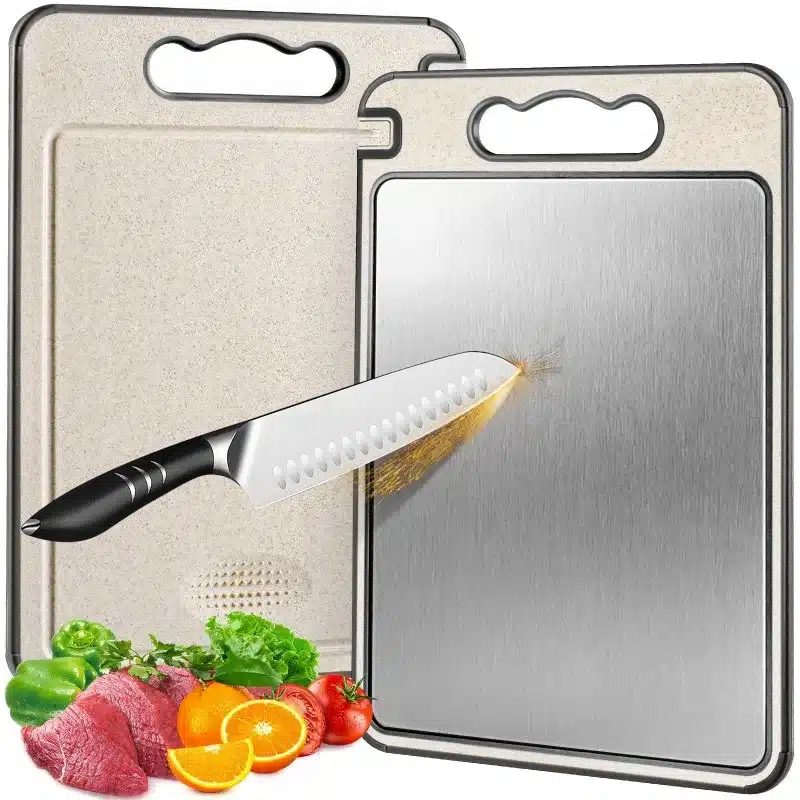
Stainless steel cutting boards are non-porous, rust-resistant, and incredibly easy to sanitize. They’re ideal for raw meat, fish, or dough, as they don’t absorb odors or stains. The best cutting board in stainless steel often features a double-sided design—one side for chopping, the other for serving or as a prep tray. However, steel is very hard on knife edges; many chefs avoid it for daily chopping. Use it for tasks where hygiene is paramount, or as a secondary board.
Stainless steel boards are also great for rolling pastry or chocolate work because they stay cool. They’re heavier than plastic but lighter than thick wood boards.
How to Care for Your Cutting Board to Extend Its Life
Proper maintenance ensures your best cutting board stays in top condition. For wood and bamboo: hand wash with mild soap and warm water, dry immediately, and apply mineral oil monthly. Never soak or put in dishwasher. For plastic: dishwasher-safe, but avoid high heat that can warp. Sanitize with diluted bleach or vinegar periodically. For stainless steel: hand wash or dishwasher-safe; avoid abrasive pads that can scratch. Always dry thoroughly to prevent water spots.
Store boards in a dry, ventilated area. Use separate boards for raw meat and produce to prevent cross-contamination. Replace boards when they have deep cuts, cracks, or warping.
Size and Shape: Matching the Board to Your Space
Choose a board that fits your counter and workflow. Large rectangular boards (20×15 inches) are great for heavy prep, while smaller boards (12×9 inches) suit quick tasks. Round or oval boards are stylish for serving but less practical for chopping. Some boards come with handles for easy transport. The best cutting board for you balances size, storage, and function. If you have limited counter space, consider a board that fits over your sink or stovetop.
Titanium Cutting Board Double Sided for Kitchen, Stainless Steel Cutting Board, Stainless Steel Food Grade Cutting Board
For a modern, sanitary option, consider the Titanium Cutting Board Double Sided for Kitchen, Stainless Steel Cutting Board, Stainless Steel Food Grade Cutting Board—a durable, non-porous surface that resists bacteria and is easy to clean.
Frequently asked questions
What is the best material for a cutting board?
It depends on your needs. Wood is gentle on knives and naturally antimicrobial, plastic is lightweight and dishwasher-safe, bamboo is eco-friendly but hard, and stainless steel is non-porous and sanitary. For most home cooks, a high-quality wood board offers the best balance of durability and knife care.
How often should I replace my cutting board?
Replace wood or bamboo boards when they develop deep cracks or grooves that can harbor bacteria. Plastic boards should be replaced when heavily scored, typically every 1-2 years with regular use. Stainless steel boards can last indefinitely if not scratched or dented.
Can I put a wood cutting board in the dishwasher?
No. Dishwasher heat and moisture can cause wood to warp, crack, or split. Always hand wash wood boards with mild soap and warm water, then dry immediately. Plastic and stainless steel boards are generally dishwasher-safe.
Is a stainless steel cutting board bad for knives?
Yes, stainless steel is very hard and can dull knife blades faster than wood or plastic. It’s best used for tasks where hygiene is critical, such as raw meat prep, or as a serving board. Avoid using it as your primary chopping surface if you value knife sharpness.
