
Blog
The Ultimate Guide to Choosing the Perfect Sushi Plate
Buying Guide
Find Your Ideal Sushi Plate Today
Choosing the right sushi plate can elevate your dining experience. A sushi plate is more than just a dish; it’s a canvas for presentation.
Why the Right Sushi Plate Matters
A sushi plate is not merely a vessel for food; it is an integral part of the dining ritual. In Japanese cuisine, the plate’s color, shape, and texture are chosen to complement the sushi, enhancing both visual appeal and taste. For example, a dark plate can make the vibrant colors of sashimi pop, while a rustic wooden plate evokes a sense of tradition. When selecting a sushi plate, consider the overall aesthetic you wish to achieve. The right plate can transform a simple meal into an artistic experience.
Materials: Ceramic, Porcelain, and More
The material of your sushi plate affects durability, weight, and heat retention. Common options include:
- Ceramic: Versatile and available in many glazes, ceramic plates are a popular choice. They are microwave and dishwasher safe, but can chip if dropped.
- Porcelain: Denser and more durable than ceramic, porcelain offers a refined look. It often features intricate patterns and is resistant to staining.
- Wooden: Lightweight and warm, wooden plates add a natural touch. They require hand washing and occasional oiling to maintain their beauty.
- Stoneware: Heavy and sturdy, stoneware retains heat well, ideal for warm dishes. Its earthy texture pairs beautifully with sushi.
For more on ceramic materials, see Wikipedia’s article on ceramics.
Size and Shape Considerations
Sushi plates come in various sizes and shapes, each serving a specific purpose. A standard round plate works well for nigiri and sashimi, while a rectangular plate is perfect for maki rolls. Consider the number of pieces you typically serve: a plate that is too small may crowd the sushi, while one too large can make portions look meager. For a balanced presentation, leave some negative space around the sushi. Oval plates are elegant for sashimi, and square plates offer a modern twist.
Color and Design: Making Sushi Pop
The color of your sushi plate can dramatically affect how the food is perceived. Dark colors like black or deep blue create contrast, making the bright pink of salmon or the green of avocado stand out. White plates are classic and let the sushi be the star, but they can show every smear. Earthy tones like brown or gray evoke a natural feel. Patterns should be subtle; avoid busy designs that distract from the food. A minimalist approach often works best.
Caring for Your Sushi Plate
Proper care extends the life of your sushi plate. Most ceramic and porcelain plates are dishwasher safe, but hand washing is gentler on delicate glazes. Avoid abrasive sponges that can scratch the surface. For wooden plates, wash with mild soap and dry immediately; never soak them. Apply mineral oil periodically to prevent drying and cracking. Store plates in a cool, dry place, and stack them with protective felt between to avoid scratches.
Where to Use Your Sushi Plate
Sushi plates are versatile beyond sushi. Use them for appetizers, desserts, or even as serving platters for small bites. Their aesthetic appeal makes them suitable for everyday meals or special occasions. A beautiful sushi plate can also serve as a decorative piece when not in use, displayed on a shelf or hung on a wall. Experiment with different foods to see how the plate enhances the presentation.
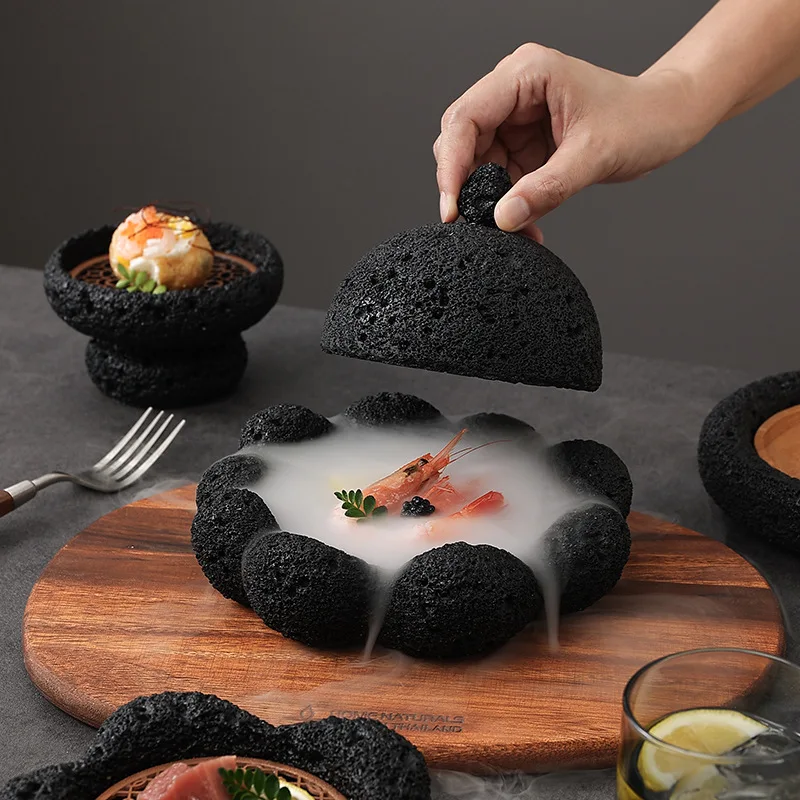
Japanese Tableware Rock Sushi Plate Coal Ball Volcanic Stone Swing Plate Steak Plate Hotel Creative Dining Plate Sushi Dish
For a unique twist, consider the Japanese Tableware Rock Sushi Plate Coal Ball Volcanic Stone Swing Plate, which adds a dramatic, natural texture to your table.
Frequently asked questions
What is the best material for a sushi plate?
The best material depends on your needs. Ceramic and porcelain are popular for their durability and aesthetic variety. Wooden plates offer a natural look but require more care. Stoneware is great for heat retention.
How do I choose the right size sushi plate?
Consider the portion size and type of sushi. For nigiri or sashimi, a plate around 8-10 inches in diameter works well. For maki rolls, a rectangular plate about 6×10 inches is ideal.
Can I use a sushi plate for other foods?
Absolutely. Sushi plates are versatile and can be used for appetizers, desserts, or small snacks. Their design often makes them suitable for any elegant presentation.
How do I clean and maintain a wooden sushi plate?
Wash wooden plates with mild soap and warm water, then dry immediately. Do not soak or put in dishwasher. Apply mineral oil every few months to keep the wood from drying out.
