
Blog
The Complete Guide to Glass Baking Bowls
Kitchen Essentials
Your Essential Guide to Glass Baking Bowls
Glass baking bowls are a staple in any kitchen, offering unmatched versatility and durability. Whether you’re mixing batter, baking a casserole, or storing leftovers, these bowls handle it all with ease.
Why Glass Baking Bowls Deserve a Spot in Your Kitchen
Glass baking bowls are more than just containers; they are multi-functional tools that simplify cooking and baking. Unlike metal or plastic, glass doesn’t react with acidic ingredients, ensuring your food tastes pure. Plus, their transparency lets you monitor browning and doneness without lifting a lid. From preparing a quick yogurt parfait to baking a layered dessert, these bowls excel in heat retention and even cooking.
Key Features to Look for in Glass Baking Bowls
When shopping for glass baking bowls, consider these essential features to get the most value:
- Borosilicate or Tempered Glass: Both are designed to withstand high oven temperatures without shattering. Borosilicate is more resistant to thermal shock, while tempered glass is stronger against impacts.
- Measurement Marks: Clear markings on the side make measuring ingredients effortless, reducing the need for extra cups.
- Lids: Airtight lids turn your bowl into a storage container, keeping leftovers fresh and preventing spills.
- Ergonomic Design: Wide rims for easy gripping and pouring spouts add convenience.
Versatility: From Oven to Table
One of the greatest advantages of glass baking bowls is their ability to go from oven to table seamlessly. You can bake a casserole, serve it directly, and then pop leftovers in the fridge—all in the same dish. This reduces cleanup and makes entertaining a breeze. For example, a baking dish doubles as a stunning serving piece for salads, roasted vegetables, or even desserts like bread pudding.
Care and Maintenance Tips for Longevity
To keep your glass baking bowls in top condition, follow these simple care tips:
- Avoid Sudden Temperature Changes: Never place a hot bowl directly on a cold surface or under cold water. Let it cool gradually to prevent cracking.
- Use Gentle Cleaners: Avoid abrasive scouring pads that can scratch the glass. Instead, use a soft sponge and mild detergent.
- Stack Carefully: If storing nested bowls, place a soft cloth between them to prevent scratches.
- Handle with Care: While durable, glass can chip if dropped. Always use oven mitts when handling hot bowls.
Comparing Glass Baking Bowls to Other Materials
Glass baking bowls offer distinct advantages over ceramic, metal, and silicone options. Ceramic can be heavy and may crack under high heat; metal can react with acidic foods and doesn’t allow you to see the food; silicone can be unstable and may retain odors. Glass strikes the perfect balance: it’s non-reactive, transparent, and evenly distributes heat. Plus, it’s dishwasher safe for effortless cleaning.
When to Choose Glass Over Other Materials
If you often bake dishes with citrus, tomatoes, or vinegar, glass is your best bet. It’s also ideal for recipes where you need to monitor the bottom crust or even browning, like quiches or cobblers. For high-heat searing or broiling, however, metal may be preferable.
Eco-Friendly and Health-Conscious Choice
Glass baking bowls are a sustainable option—they are made from natural materials and are 100% recyclable. They don’t leach chemicals like some plastics, making them safe for food storage and reheating. By investing in durable glass, you reduce single-use plastic waste and enjoy a healthier kitchen environment.
Top Uses for Glass Baking Bowls in Everyday Cooking
These bowls aren’t just for baking. Use them for:
- Mixing and marinating ingredients
- Preparing overnight oats or chia puddings
- Serving salads, fruits, or yogurt parfaits
- Storing leftovers in the fridge or freezer
- Microwaving soups or leftovers
Their versatility means you’ll reach for them daily, making them a worthwhile addition to your kitchen arsenal.
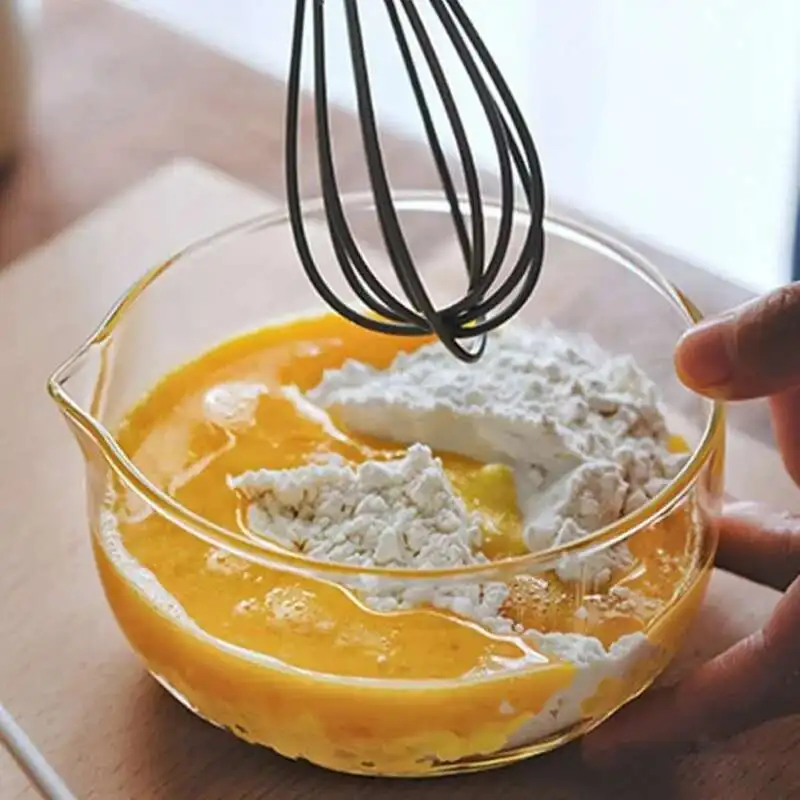
/600ml Transparent Glass Baking Egg Bowl Japanese Matcha Tea Bowl for Fruit, Yogurt, Salad, Indoor Cooking Tableware
For a convenient all-in-one option, consider the /600ml Transparent Glass Baking Egg Bowl Japanese Matcha Tea Bowl for Fruit, Yogurt, Salad, Indoor Cooking Tableware, which combines elegance with everyday practicality.
Frequently asked questions
Can glass baking bowls be used in the microwave?
Yes, most glass baking bowls are microwave-safe. However, always check the manufacturer’s instructions to ensure they can withstand microwave heating. Avoid using bowls with metal trim or decorations.
Are glass baking bowls oven-safe?
Most glass baking bowls are oven-safe up to a certain temperature, typically around 400°F to 450°F. Borosilicate glass can handle higher temperatures. Always verify the maximum temperature rating before use.
How do I prevent glass baking bowls from cracking?
To prevent cracking, avoid sudden temperature changes. Let hot bowls cool gradually before washing or placing on cold surfaces. Also, avoid using chipped or damaged bowls, as they are more prone to breaking.
Can I put glass baking bowls in the freezer?
Yes, glass baking bowls are generally freezer-safe. Leave some headspace for expansion when freezing liquids, and allow the bowl to thaw gradually in the refrigerator before heating.
