
Blog
The Ultimate Guide to Choosing a Glass Baking Bowl
Kitchen Essentials
Find Your Perfect Glass Baking Bowl
A glass baking bowl is a versatile kitchen staple that can go from oven to table with ease. Whether you’re baking casseroles or mixing batters, the right bowl makes all the difference.
Why a Glass Baking Bowl Belongs in Your Kitchen
A glass baking bowl isn’t just for baking—it’s a multitasker. Use it for mixing, storing leftovers, and even serving salads. Unlike metal or plastic, glass doesn’t react with acidic foods like tomatoes or citrus, preserving flavors. Plus, its transparency lets you monitor browning without opening the oven. For science-backed benefits, borosilicate glass offers superior thermal shock resistance.
Key Features to Look For in a Glass Baking Bowl
When shopping for a glass baking bowl, consider these factors:
- Heat Tolerance: Ensure it’s oven-safe up to at least 400°F (200°C).
- Size and Depth: A 600ml bowl is ideal for individual servings or small batches.
- Ease of Cleaning: Dishwasher-safe bowls save time.
- Versatility: Look for bowls that can go from freezer to oven.
Material Matters: Borosilicate vs. Soda-Lime Glass
Borosilicate glass withstands sudden temperature changes better than soda-lime glass, making it safer for baking. Soda-lime glass is cheaper but more prone to breaking under thermal stress. Check the product description for material details.
How to Use a Glass Baking Bowl Beyond Baking
A glass baking bowl excels in many roles:
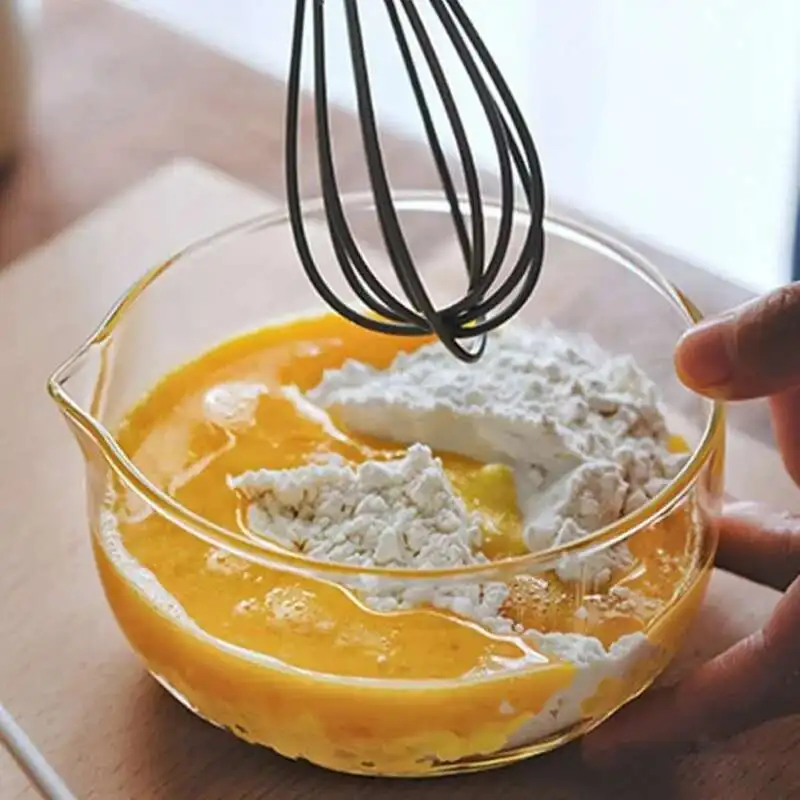
- Mixing: Whisk eggs or dressings without scratching.
- Marinating: Glass won’t absorb odors or stains.
- Serving: Present fruit salads, yogurts, or desserts directly at the table.
- Storing: Use lids (if included) for fridge storage.
Care Tips to Extend the Life of Your Glass Baking Bowl
To prevent breakage:
- Avoid sudden temperature changes—don’t place a hot bowl on a wet counter.
- Let the bowl cool before washing.
- Use silicone or wooden utensils to prevent scratches.
- Stack bowls with paper towels between them to avoid chipping.
Comparing Glass Baking Bowls to Other Materials
Glass baking bowls offer unique advantages over ceramic, metal, and silicone. Ceramic can chip, metal may react with acidic foods, and silicone can absorb odors. Glass is non-porous, easy to clean, and doesn’t leach chemicals. For even heating, glass is comparable to ceramic but lighter.
Why Size Matters: Choosing the Right Capacity
A 600ml glass baking bowl is perfect for single servings, small casseroles, or as a prep bowl. Larger families may need 1-2 liter bowls. Consider your typical recipes: a 600ml bowl works well for individual baked eggs, mug cakes, or side dishes.
Final Thoughts on Selecting Your Glass Baking Bowl
Investing in a quality glass baking bowl elevates your cooking experience. It’s a sustainable choice that reduces plastic use, and its versatility makes it a kitchen workhorse. Whether you’re a novice or pro, a glass baking bowl is a worthwhile addition.
/600ml Transparent Glass Baking Egg Bowl Japanese Matcha Tea Bowl for Fruit, Yogurt, Salad, Indoor Cooking Tableware
Our 600ml transparent glass baking egg bowl is perfect for individual bakes and stylish serving, combining Japanese craftsmanship with everyday durability.
Frequently asked questions
Can a glass baking bowl go in the microwave?
Yes, most glass baking bowls are microwave-safe, but always check the manufacturer’s instructions. Borosilicate glass is especially safe for microwave use.
Is a glass baking bowl safe for broiling?
Not typically. Most glass bowls are not designed for direct broiling because of intense heat. Use them for baking at moderate temperatures only.
How do I remove baked-on stains from a glass baking bowl?
Soak the bowl in hot water with baking soda, then scrub gently with a non-abrasive sponge. For stubborn stains, use a paste of baking soda and vinegar.
Can I use a glass baking bowl for freezing?
Yes, if it’s made from borosilicate glass and has thermal shock resistance. Soda-lime glass may crack. Always leave headspace for expansion.
