
Blog
The Ultimate Guide to Choosing a Japanese Tea Bowl
Buying Guide
Finding Your Perfect Japanese Tea Bowl
A Japanese tea bowl is more than just a vessel—it’s a companion for mindful moments. Whether you’re a matcha enthusiast or a ceramic lover, finding the right bowl can elevate your daily ritual.
What Makes a Japanese Tea Bowl Special
A Japanese tea bowl, or chawan, is designed to enhance the tea-drinking experience. Unlike ordinary cups, these bowls are often handcrafted, with unique glazes and textures that make each piece one-of-a-kind. The shape and weight affect how the tea feels in your hands and how the aroma develops. Historically, tea bowls were central to the Japanese tea ceremony, a practice that emphasizes mindfulness and aesthetics.
Materials: From Ceramic to Glass
Traditional Japanese tea bowls are made from ceramic, including stoneware and porcelain. However, modern variations include glass, which offers transparency to appreciate the tea’s color. Learn more about the tea ceremony. Each material has its own charm—ceramic retains heat well, while glass is lighter and more versatile for cold drinks like iced matcha or fruit salads.
Ceramic Bowls
Ceramic bowls are the classic choice. They often feature earthy glazes and irregular shapes that reflect the artisan’s hand. Look for bowls with a slight curve that fits comfortably in your palms.
Glass Bowls
Glass bowls are a contemporary twist. They allow you to see the vibrant green of matcha or the layers of a parfait. They’re also easier to clean and less porous, making them ideal for everyday use.
Shape and Size Matter
The shape of a Japanese tea bowl influences how you whisk matcha and how the drink feels. Wide, shallow bowls are best for whisking, as they allow the chasen (bamboo whisk) to move freely. Taller, narrower bowls are better for sipping. Size is also key—a standard matcha bowl holds about 300-400 ml, but smaller bowls are used for koicha (thick tea). Consider what you’ll use it for: daily matcha, iced tea, or even salads and desserts.
- Matcha: wide base, 300-400 ml
- Iced tea: taller, 400-500 ml
- Dessert: small, 200-300 ml
How to Choose a Japanese Tea Bowl for Matcha
If you’re buying a Japanese tea bowl specifically for matcha, focus on the interior. A smooth, slightly textured bottom helps whisking. The bowl should be heavy enough to stay stable but light enough to hold comfortably. Many traditional bowls are made in famous kilns like Raku or Hagi, each with distinct characteristics. For beginners, a versatile ceramic bowl is a safe start.
Caring for Your Tea Bowl
To keep your Japanese tea bowl in good condition, wash it by hand with mild soap and a soft sponge. Avoid sudden temperature changes, especially with ceramic bowls, as they can crack. Store them in a dry place, and if you use them for matcha, rinse immediately after use to prevent staining. Glass bowls are more durable but can still break if dropped.
Using a Tea Bowl Beyond Tea
A Japanese tea bowl isn’t just for tea. Its wide shape makes it perfect for serving yogurt, fruit, salads, or even as a small baking dish. This versatility is why many people appreciate having a few different bowls at home. They add a touch of elegance to any table setting.
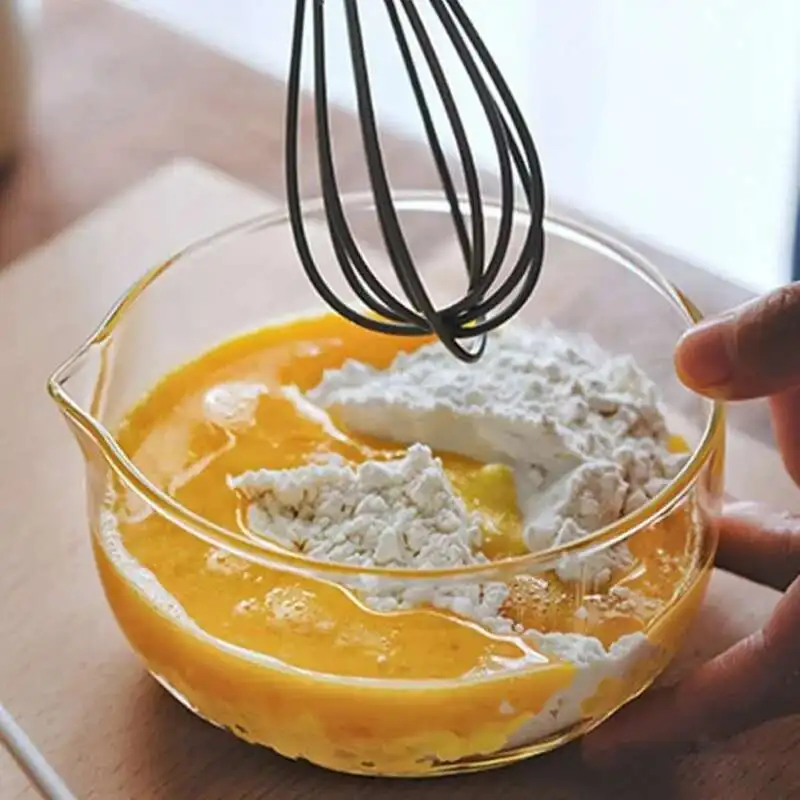
/600ml Transparent Glass Baking Egg Bowl Japanese Matcha Tea Bowl for Fruit, Yogurt, Salad, Indoor Cooking Tableware
For a versatile option that suits both matcha and everyday use, consider the /600ml Transparent Glass Baking Egg Bowl Japanese Matcha Tea Bowl for Fruit, Yogurt, Salad, Indoor Cooking Tableware.
Frequently asked questions
What is the ideal size for a Japanese tea bowl?
For matcha, a bowl holding 300-400 ml is standard. For other uses like desserts or salads, smaller or larger bowls work as needed.
Can I use a Japanese tea bowl for hot and cold drinks?
Yes, most are designed for both, but avoid extreme temperature changes with ceramic bowls to prevent cracking.
How do I clean a Japanese tea bowl?
Hand wash with mild soap and a soft sponge. Avoid abrasive scrubbers, and rinse immediately after use with matcha to prevent staining.
What is the difference between a matcha bowl and a regular tea cup?
A matcha bowl is wider and shallower to allow whisking, while a regular cup is smaller and deeper for sipping.
