
Blog
The Timeless Beauty of Japanese Ceramic Plates
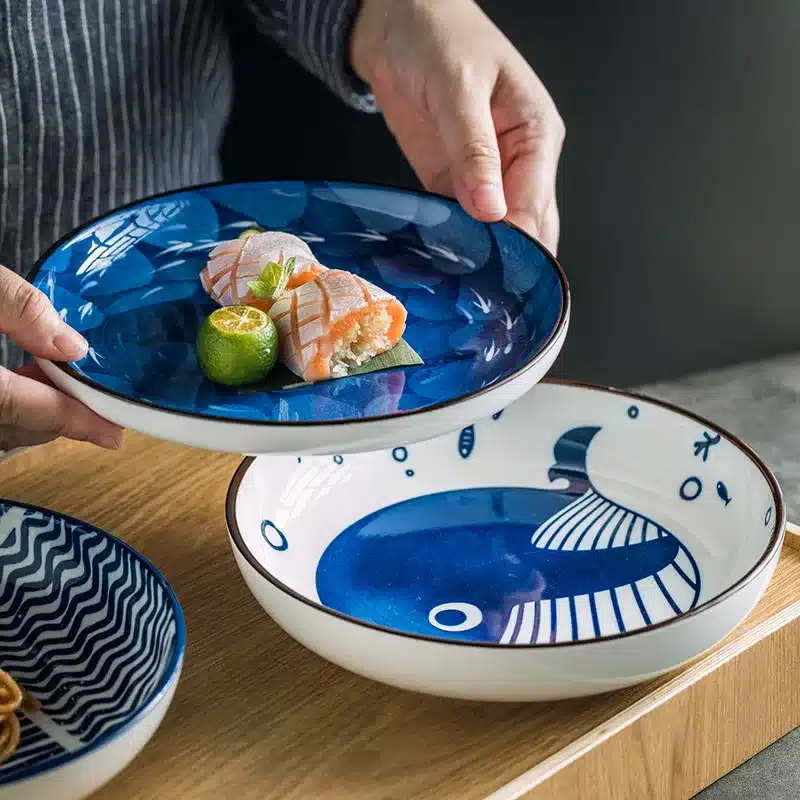
Tableware Essentials
Choosing Your Perfect Japanese Ceramic Plates
Japanese ceramic plates are more than just dinnerware—they are a celebration of craftsmanship and tradition. Whether you’re a collector or a home cook, understanding these plates will elevate your dining experience.
The Art of Japanese Ceramic Plates
Japanese ceramic plates have a rich history that dates back centuries. From the rustic charm of Bizen-yaki to the delicate patterns of Arita-yaki, each region offers its own unique style. These plates are not only functional but also works of art, reflecting the Japanese aesthetic of wabi-sabi—finding beauty in imperfection. When you hold a Japanese ceramic plate, you’re holding a piece of cultural heritage.
Types of Japanese Ceramic Plates
Understanding the different types of Japanese ceramic plates helps you choose the right one for your needs. Here are some popular categories:
- Shallow plates (sara): Ideal for appetizers or sushi.
- Deep plates (donburi): Perfect for soups or rice bowls.
- Turnip plates (kabu-zara): Named for their shape, these are great for side dishes.
- Large platters (ozara): Used for serving main courses or sharing.
How to Choose Quality Japanese Ceramic Plates
When selecting Japanese ceramic plates, consider the following factors:
Clay and Firing Technique
Different clays and firing methods produce distinct textures and colors. Earthenware is porous and rustic, while stoneware is denser and more durable. Porcelain offers a fine, translucent quality.
Glaze and Finish
Glazes can be glossy, matte, or textured. Some plates feature crackle glazes or hand-painted motifs. Choose a finish that complements your table setting.
Functionality
Consider whether the plate is microwave, oven, or dishwasher safe. Traditional Japanese plates may require hand washing to preserve their beauty.
Caring for Your Japanese Ceramic Plates
To maintain the longevity of your Japanese ceramic plates, follow these tips:
- Avoid sudden temperature changes to prevent cracking.
- Hand wash with mild detergent and a soft sponge.
- Store plates with separators to prevent scratching.
- For vintage pieces, avoid stacking heavy items on top.
Incorporating Japanese Ceramic Plates into Modern Dining
Japanese ceramic plates are versatile and can be used in various settings. Mix and match different sizes and patterns for a casual look, or use matching sets for formal occasions. Their natural tones and textures pair well with wood, linen, and other organic materials. For a contemporary twist, combine them with minimalist flatware and glassware.
To learn more about the history of Japanese pottery, visit Wikipedia’s page on Japanese pottery.
Where to Find Authentic Japanese Ceramic Plates
Authentic Japanese ceramic plates can be found at specialty stores, online marketplaces, and directly from artisans. Look for labels indicating the region of origin, such as Mashiko-yaki or Kutani-yaki. When shopping online, read reviews and check for detailed photos to assess quality. Remember, a genuine Japanese ceramic plate is an investment in beauty and tradition.
Japanese Ceramic Plate Household Turnip Plate Deep Plates Shallow Plate Turnip Dish Restaurant Hotel Creative Tableware Cooking
For a versatile addition to your collection, consider the Japanese Ceramic Plate Household Turnip Plate, which combines traditional design with practical depth for everyday meals.
Frequently asked questions
What makes Japanese ceramic plates different from other ceramics?
Japanese ceramic plates are known for their meticulous craftsmanship, traditional techniques, and aesthetic principles like wabi-sabi. They often feature unique glazes, textures, and shapes that reflect regional styles, making each piece distinct.
Can I use Japanese ceramic plates in the microwave or dishwasher?
It depends on the specific plate. Many modern Japanese ceramic plates are microwave and dishwasher safe, but traditional or hand-painted pieces may require hand washing. Always check the manufacturer’s instructions.
How do I identify authentic Japanese ceramic plates?
Look for markings on the bottom indicating the region or potter, such as ‘Made in Japan’ or specific kiln stamps. Authentic pieces often have slight imperfections that add to their charm, unlike mass-produced items.
Are Japanese ceramic plates safe for food use?
Yes, Japanese ceramic plates are generally food-safe. However, avoid using plates with cracked glazes or metallic paints, as they may leach substances. Lead-free glazes are common in reputable brands.
