
Blog
The Beauty and Function of Japanese Ceramic Plates
Buying Guide
Japanese Ceramic Plates: Elegance for Everyday Dining
Japanese ceramic plates blend centuries of craftsmanship with everyday function, making them a cherished addition to any table. Whether you’re a collector or a home cook, understanding these pieces enhances your dining experience.
What Makes Japanese Ceramic Plates Special?
Japanese ceramic plates are renowned for their meticulous craftsmanship, natural materials, and timeless designs. Each piece reflects a deep respect for tradition and the beauty of imperfection, often inspired by wabi-sabi philosophy. Unlike mass-produced tableware, these plates often feature unique glazes, textures, and shapes that elevate the presentation of food.
From rustic Raku to delicate porcelain, the variety is vast. The clay used is often local, and firing techniques have been perfected over generations. This results in plates that are not only visually appealing but also durable and functional for daily use.
How to Choose the Right Japanese Ceramic Plates for Your Home
Selecting the perfect Japanese ceramic plates depends on your needs. Consider the size: deep plates are ideal for soups and stews, while shallow plates work well for salads or appetizers. The weight and feel are also important—handmade pieces may have slight irregularities that add character.
Think about the glaze: matte finishes offer a modern look, while glossy glazes highlight intricate patterns. If you entertain often, a set of versatile plates in neutral tones can complement any cuisine. For everyday meals, durable stoneware is a practical choice.
Different Styles of Japanese Ceramic Plates
Japanese ceramic plates come in several distinct styles:
- Mino ware – Known for its vibrant colors and patterns, perfect for adding a pop of color.
- Seto ware – One of the oldest styles, featuring earthy tones and simple elegance.
- Kutani ware – Elaborate hand-painted designs with gold accents, ideal for special occasions.
- Hasami ware – Modern and minimalist, often with a matte finish and stackable design.
Each style has its own history and aesthetic, so choose based on your personal taste and how you plan to use them.
Caring for Your Japanese Ceramic Plates
To ensure your Japanese ceramic plates last a lifetime, proper care is essential. Most are dishwasher-safe, but hand washing is recommended to preserve the glaze. Avoid sudden temperature changes to prevent cracking. Store them with felt pads between plates to prevent scratches.
Some plates are microwave-safe, but check the manufacturer’s guidelines. If your plate has gold or metallic accents, it should not be microwaved. With gentle care, these pieces will remain beautiful for years.
Where to Use Japanese Ceramic Plates
Japanese ceramic plates are versatile beyond the dining table. Use shallow plates as serving dishes for snacks or desserts. Deep plates can hold small items like jewelry or keys in an entryway. Their artistic quality makes them suitable for wall displays or shelf decor.
In a restaurant setting, these plates enhance the presentation of dishes, adding an authentic touch to Japanese cuisine. For home cooks, they make every meal feel special, whether it’s a weekday dinner or a festive gathering.
Pairing Japanese Ceramic Plates with Other Tableware
Mix and match Japanese ceramic plates with other tableware for a curated look. Pair them with wooden chopsticks and linen napkins for a natural aesthetic. For a more formal setting, combine with glassware and metallic cutlery. The key is balance—let the plates be the focal point while complementary items stay understated.
Consider the color palette: earthy plates go well with neutral tablecloths, while vibrant designs pop against white surfaces. Experiment with layering different shapes and sizes to create visual interest.
Why Invest in Quality Japanese Ceramic Plates
Quality Japanese ceramic plates are an investment in both art and function. They are made to be used daily, yet they retain their beauty for generations. Unlike trendy tableware, these pieces have a timeless appeal that never goes out of style.
Supporting artisans who uphold traditional techniques also helps preserve cultural heritage. Each plate tells a story of craftsmanship and dedication, making your meals more meaningful.
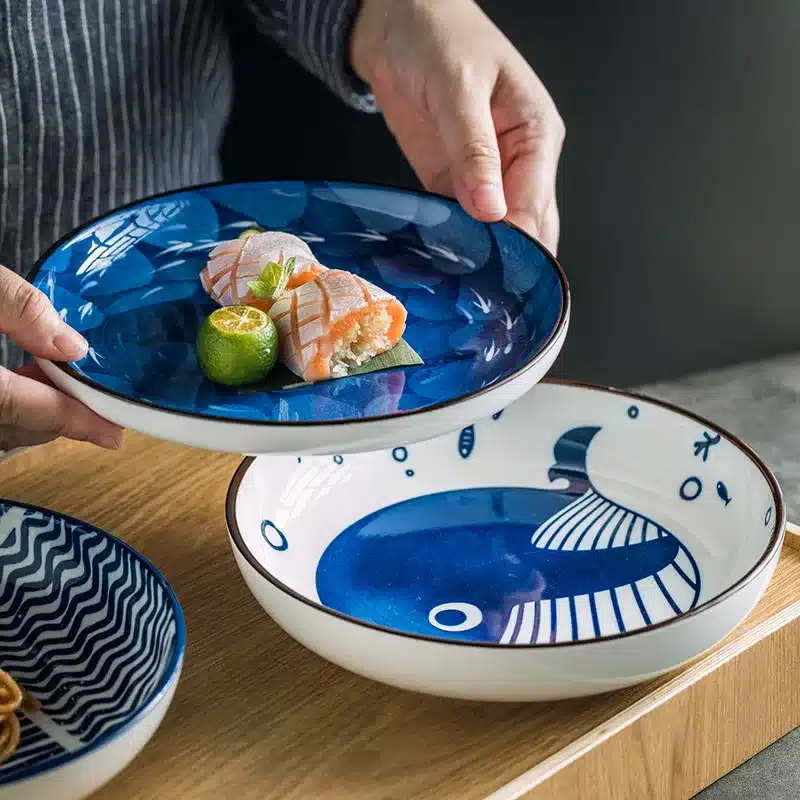
Japanese Ceramic Plate Household Turnip Plate Deep Plates Shallow Plate Turnip Dish Restaurant Hotel Creative Tableware Cooking
For a versatile option, consider the Japanese Ceramic Plate Household Turnip Plate, which comes in deep and shallow varieties perfect for both restaurant and home use.
Frequently asked questions
Are Japanese ceramic plates safe for microwave and dishwasher?
Most Japanese ceramic plates are microwave and dishwasher safe, but it’s best to check the specific product details. Plates with metallic accents should not be microwaved, and hand washing is recommended to preserve the glaze.
How do I identify authentic Japanese ceramic plates?
Look for markings on the bottom indicating the region or potter. Authentic pieces often have slight irregularities from handcrafting. Purchase from reputable sellers or directly from known pottery regions like Seto or Mino.
What is the difference between deep and shallow Japanese ceramic plates?
Deep plates are designed for soups, stews, and rice bowls, while shallow plates are ideal for salads, appetizers, or main courses. The choice depends on your serving needs.
Can I use Japanese ceramic plates for everyday meals?
Yes, many Japanese ceramic plates are durable enough for daily use. Stoneware and porcelain options are particularly sturdy. However, delicate hand-painted pieces may be best reserved for special occasions.
