
Blog
The Ultimate Glass Baking Dish Guide for Home Cooks
Kitchen Essentials
Why Every Kitchen Needs a Glass Baking Dish
A glass baking dish is a versatile workhorse that every home cook should have. From lasagnas to cobblers, it delivers even heat and beautiful presentation.
What Makes a Glass Baking Dish Special?
Glass baking dishes are beloved for their ability to heat evenly and retain warmth. Unlike metal, glass doesn’t react with acidic foods like tomato sauce, so your dishes taste pure. Plus, the transparent walls let you monitor browning without lifting the lid. Whether you’re baking a casserole or roasting vegetables, a glass baking dish is a reliable choice.
Key Features to Look For
Material Quality
Look for tempered soda-lime or borosilicate glass, which resists thermal shock. Thicker glass distributes heat more evenly and is less likely to crack.
Size and Shape
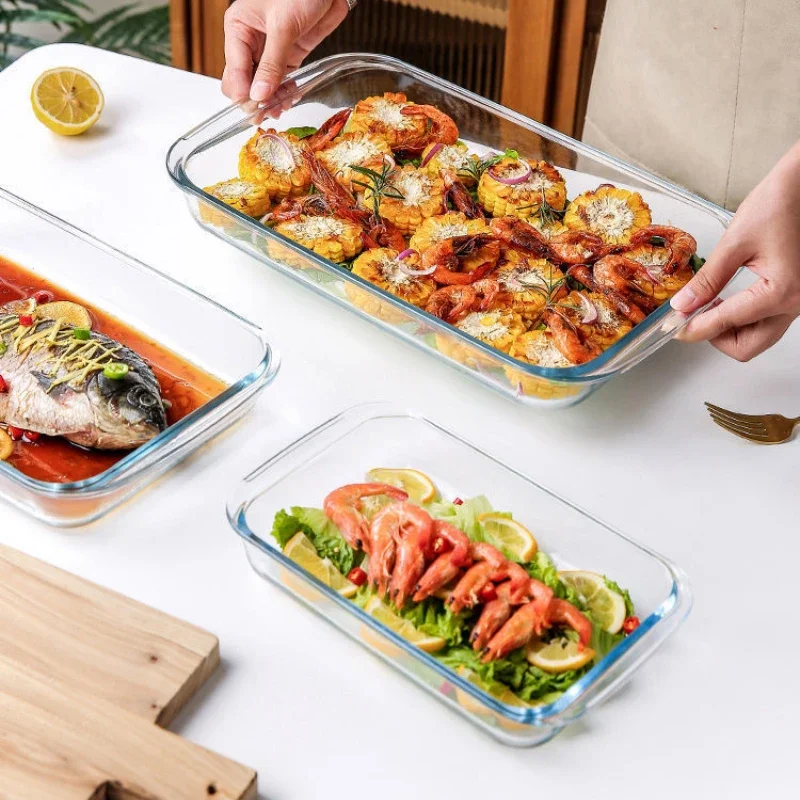
Common sizes include 9×13 inches for family meals and 8×8 inches for smaller portions. Rectangular dishes maximize oven space, while round ones are great for pies and quiches. A glass baking dish with handles makes it easier to carry hot dishes.
How to Use Your Glass Baking Dish
- Baking: Perfect for brownies, cakes, and bread puddings. Glass heats slowly but retains heat well, so you may need to adjust baking times.
- Roasting: Vegetables and meats brown nicely in glass. Use for sheet pan dinners or roasted chicken pieces.
- Storing: Glass is non-porous and won’t absorb odors. You can refrigerate or freeze leftovers directly in the dish.
- Serving: Its clear design makes it attractive for table service. Just avoid sudden temperature changes.
Caring for Your Glass Baking Dish
To extend the life of your glass baking dish, avoid placing it directly on a hot stovetop or under a broiler. Let it cool before washing, and never pour cold water into a hot dish. Use gentle scrubbers—abrasive pads can scratch the surface. Hand washing is recommended, but many are dishwasher-safe (check manufacturer instructions).
Glass vs. Ceramic vs. Metal: Which Is Best?
Each material has strengths. Glass heats evenly and is non-reactive, making it ideal for acidic foods. Ceramic is similar but often heavier and more decorative. Metal heats quickly and is great for browning, but can react with certain ingredients. For most home cooks, a glass baking dish offers the best balance of performance and versatility. For more on glass properties, see Wikipedia’s article on glass.
Tips for Perfect Results Every Time
- Preheat your oven fully before placing the dish inside.
- Grease the dish lightly even if it’s non-stick, especially for sticky desserts.
- Allow the dish to come to room temperature after baking before adding cold ingredients.
- Use a wooden or silicone spatula to avoid scratching the glass.
Bakeware Glass Platter for Oven Baking Tray Baking Tools and Accessories Kitchen Utensil Cooking Utensils Gadgets Dishes Pans
For a reliable option, consider the Bakeware Glass Platter for Oven Baking Tray—it’s tempered for durability and fits most standard recipes.
Frequently asked questions
Can I use a glass baking dish on the stovetop?
No, glass baking dishes are not designed for direct stovetop heat. They can shatter from thermal shock. Use them only in the oven, microwave, or for storage.
Is it safe to put a glass baking dish from the oven into the fridge?
It’s best to let the dish cool to room temperature first. Sudden temperature changes can cause cracking. Most glass dishes are freezer-safe, but gradual cooling is key.
How do I remove stuck-on food from a glass baking dish?
Soak the dish with warm water and baking soda for 15-20 minutes, then gently scrub with a non-abrasive sponge. Avoid metal scouring pads.
Can I use a glass baking dish under the broiler?
Most glass baking dishes are not broiler-safe. The intense direct heat can cause them to break. Check the manufacturer’s guidelines before using under the broiler.
