
Blog
The Ultimate Guide to Choosing a Glass Baking Dish
Baking Essentials
Why Every Kitchen Needs a Glass Baking Dish
If you’re looking for a versatile and reliable kitchen tool, a glass baking dish is a must-have for everything from casseroles to desserts. Its transparency lets you monitor browning, and the material heats evenly for consistent results.
What Makes a Glass Baking Dish So Special?
A glass baking dish offers unique advantages over metal or ceramic alternatives. Glass is non-reactive, meaning it won’t interact with acidic ingredients like tomatoes or citrus, preserving the true flavor of your dishes. Additionally, it heats evenly and retains heat well, which is perfect for slow-cooked casseroles or baked pasta. The clear material also allows you to check the doneness of crusts and layers without opening the oven door, saving energy and preventing heat loss.
Another benefit is its ease of cleaning. Glass is non-porous, so food residues don’t stick as stubbornly, and most glass baking dishes are dishwasher safe. They also double as serving dishes, going straight from oven to table for a rustic, elegant presentation. However, be aware that glass can shatter if subjected to sudden temperature changes—always let it cool before washing or placing on a cold surface.
How to Choose the Right Size and Shape
The most common sizes for a glass baking dish are 9×13 inches, 8×8 inches, and 11×7 inches. The 9×13 dish is a workhorse for lasagnas, sheet cakes, and large casseroles. The 8×8 square is ideal for brownies, small batches of mac and cheese, or side dishes. For individual portions, consider smaller ramekins or loaf pans. If you bake often, having a set of two or three sizes covers most recipes.
Shapes also matter: rectangular dishes maximize space in the oven and are great for layered dishes, while square or round dishes are better for even cooking of dense items like cornbread. Some glass baking dishes come with lids, which are handy for storing leftovers or transporting food. Look for tempered glass, which is more resistant to thermal shock and safe for oven use up to 425°F typically.
Glass vs. Metal vs. Ceramic: Which Is Best?
Each material has its strengths. Metal pans heat up quickly and are excellent for browning, but they can react with acidic foods and may warp over time. Ceramic dishes are beautiful and retain heat well, but they are heavier and can chip. A glass baking dish hits a sweet spot: it’s lighter than ceramic, non-reactive like ceramic, and transparent like none other. It’s also more affordable than high-end ceramic options. For recipes that require even, gentle heat—such as custards, cheesecakes, or bread puddings—glass is often preferred because it conducts heat slowly and evenly, reducing the risk of scorching.
If you need to broil or use high heat, metal might be better, as glass can crack under direct broiler flame. For most home baking, however, glass is versatile and forgiving. For more details on material properties, check out this Wikipedia article on bakeware.
Caring for Your Glass Baking Dish
To extend the life of your glass baking dish, follow these tips:
- Avoid sudden temperature changes: don’t pour cold water into a hot dish, and don’t place a cold dish directly into a preheated oven. Instead, let it come to room temperature.
- Use wooden or silicone utensils to prevent scratching the surface. Scratches can weaken the glass over time.
- Clean with a non-abrasive sponge and mild detergent. For stuck-on food, soak with baking soda and water.
- Store with a paper towel inside if stacking to prevent scratches.
- Never use a glass dish on the stovetop or under the broiler unless explicitly labeled as safe.
With proper care, a quality glass baking dish can last for years, becoming a trusted companion in your kitchen.
Top Recipes to Try in Your Glass Baking Dish
Your glass baking dish is perfect for a wide range of recipes. Here are some ideas to get you started:
Classic Lasagna
Layer noodles, ricotta, mozzarella, and your favorite sauce in a 9×13 dish. The glass allows you to see the layers and ensure even cooking. Bake at 375°F for 45 minutes.
Apple Crisp
Combine sliced apples with cinnamon and sugar, top with a crumbly oat mixture, and bake until bubbly. The glass dish makes the golden topping visible.
Frittata
Whisk eggs with veggies and cheese, pour into a greased 8×8 dish, and bake at 350°F for 20 minutes. The even heat prevents burning.
Cinnamon Rolls
Proof and bake rolls in a 9×13 glass dish. The glass retains heat for a soft, fluffy interior and golden exterior.
Experiment with your own creations—the transparency helps you learn how your oven heats and how different dishes brown.
Common Mistakes to Avoid with Glass Bakeware
Even experienced cooks can make errors with glass baking dishes. Here are pitfalls to avoid:
- Placing a cold dish on a hot surface (like a burner or trivet) can cause thermal shock and shattering.
- Using metal utensils that scratch the surface, leading to weak spots.
- Overfilling the dish, as food can bubble over and create a mess or cause the dish to crack if the liquid expands too much.
- Assuming all glass dishes are broiler-safe. Always check the manufacturer’s instructions.
- Storing in the freezer and then transferring directly to the oven. Thaw first or use a dish rated for freezer-to-oven use.
By avoiding these mistakes, you’ll enjoy your glass baking dish for many meals to come.
Bakeware Glass Platter for Oven Baking Tray Baking Tools and Accessories Kitchen Utensil Cooking Utensils Gadgets Dishes Pans
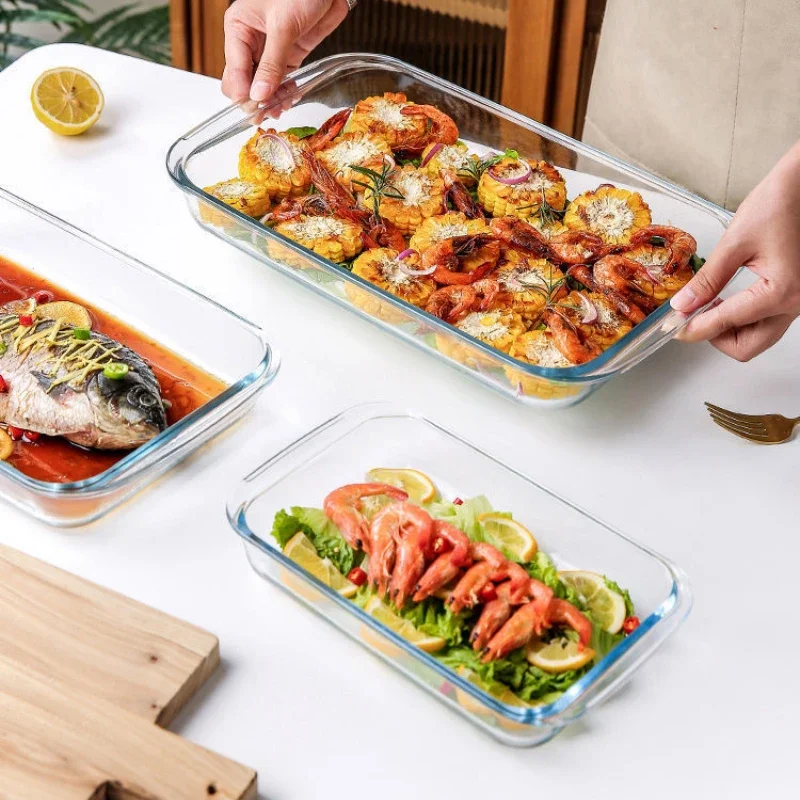
For a reliable and versatile option, consider the Bakeware Glass Platter for Oven Baking Tray, which handles everything from casseroles to desserts with ease.
Frequently asked questions
Can I use a glass baking dish on the stovetop?
No, glass baking dishes are designed for oven use only. Using them on a stovetop burner can cause thermal shock and shattering.
Is it safe to put a glass baking dish under the broiler?
Only if the dish is specifically labeled as broiler-safe. Most standard glass dishes are not, as direct high heat can crack them.
How do I clean burnt-on food from a glass dish?
Soak the dish in warm water with baking soda for 15-30 minutes, then scrub gently with a non-abrasive sponge. Avoid using steel wool.
Can I freeze food in a glass baking dish?
Yes, but ensure the dish is tempered and rated for freezer use. Allow food to cool completely before freezing, and leave headspace for expansion.
