
Blog
The Best Nonstick Bakeware for Effortless Baking
Buying Guide
Find the Best Nonstick Bakeware for Your Kitchen
The best nonstick bakeware makes baking simpler and more enjoyable, with effortless release and quick cleanup. Whether you’re a seasoned baker or a beginner, finding the right set can transform your experience in the kitchen.
What Makes Nonstick Bakeware the Best Choice?
Nonstick bakeware is coated with a material that prevents food from sticking, making it easier to remove baked goods and clean up. The best nonstick bakeware combines durability, even heat distribution, and a reliable coating that lasts. Common coatings include PTFE (Teflon), ceramic, and silicone. PTFE is the most effective nonstick but requires careful handling to avoid scratching. Ceramic is more eco-friendly but may wear faster. Silicone is flexible and nonstick but can be unstable for heavy batters. When shopping, look for heavy-gauge materials like aluminized steel or hard-anodized aluminum, which resist warping and promote even browning.
Key Features of the Best Nonstick Bakeware
To choose the best nonstick bakeware, consider these features:
- Coating Quality: Multi-layer coatings are more durable. Avoid PFOA and other harmful chemicals.
- Material: Aluminum heats quickly and evenly; steel is stronger. Carbon steel is a good middle ground.
- Weight: Heavier pans distribute heat better and are less likely to warp.
- Reinforced Edges: Rolled edges prevent warping and add strength.
- Removable Bottoms: For tart pans, a removable base makes release easy and clean.
- Dishwasher Safety: While often labeled dishwasher safe, hand washing extends the life of nonstick coatings.
How to Care for Nonstick Bakeware
Proper care extends the life of your nonstick bakeware. Always use wooden, silicone, or plastic utensils to avoid scratching. Avoid cooking sprays that contain lecithin, as they can build up and damage the coating. Instead, use butter or oil. Let pans cool before washing to prevent warping. Gently hand wash with a soft sponge and mild detergent. Stack pans with a protective layer (like a paper towel) to prevent scratching. For more on nonstick cookware safety, see this Wikipedia article on non-stick surfaces.
Best Nonstick Bakeware for Pies and Tarts
Pies and tarts benefit greatly from nonstick surfaces. A fluted tart pan with a removable bottom is ideal for elegant desserts. The best nonstick bakeware for these items ensures the crust releases cleanly from the fluted edges. Mini tart pans are perfect for portion control and entertaining. Look for pans with a dark finish that absorbs heat for a golden crust. For mousse cakes, nonstick springform pans or removable-bottom pans work well. The key is a coating that withstands acidic fillings and multiple uses.
Why Size and Shape Matter in Nonstick Bakeware
Bakeware comes in various sizes and shapes to suit different recipes. Standard sizes like 9-inch round or 8×8 square are versatile. Mini sizes (like 4-inch) are great for individual desserts or appetizers. Specialty shapes—such as Bundt pans, loaf pans, and muffin tins—expand your baking repertoire. When choosing nonstick bakeware, consider your most-used recipes. A set that includes multiple sizes offers flexibility. The best nonstick bakeware sets often include a mix of sheet pans, cake pans, and muffin tins, but for specific needs like tartlets, individual pans are more practical.
Comparing Nonstick Coatings: PTFE vs. Ceramic
Two main types of nonstick coatings dominate the market: PTFE (polytetrafluoroethylene) and ceramic. PTFE-based coatings (like Teflon) offer superior release and are very durable if cared for properly. However, they can release fumes if overheated above 500°F (260°C). Ceramic coatings are made from a sol-gel process and are considered more eco-friendly. They can withstand higher temperatures but may lose nonstick properties sooner. Both can be effective, but the best nonstick bakeware for you depends on your cooking habits and priorities. For high-heat baking, ceramic might be safer; for everyday low-to-medium heat, PTFE works well.
Our Top Pick for Mini Tarts and Mousse Cakes
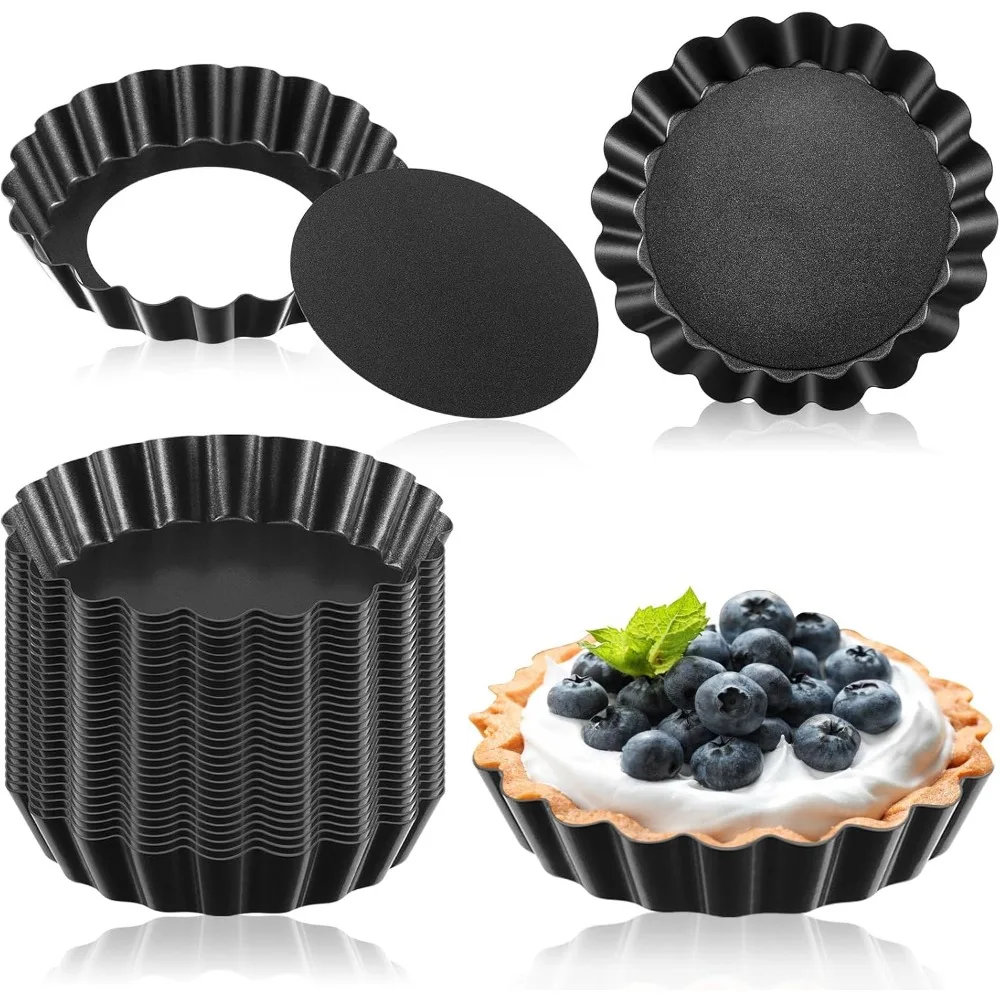
For those who love baking individual desserts, the 10-piece set of mini egg tart pans with removable bottoms is a standout. Each 4-inch pan features a round bottom that pops out easily, making release a breeze. The nonstick coating is smooth and consistent, producing perfectly shaped tarts and mousse cakes every time. They are sturdy enough for repeated use and clean up in seconds. Whether you’re making classic egg tarts, mini cheesecakes, or savory pies, these pans deliver reliable performance. Their compact size also saves storage space.
10PCS 4 Inch Mini Egg Tart Pan Molds with Removable Round Bottom Nonstick Pie Tart Bakeware Mold or Mousse Cake Dessert Baking
For individual desserts, the 10PCS 4 Inch Mini Egg Tart Pan Molds with Removable Round Bottom offer reliable nonstick performance and easy release.
Frequently asked questions
What is the best nonstick bakeware material?
Aluminized steel or hard-anodized aluminum are top choices for durability and even heat. They resist warping and provide consistent browning.
How do I prevent nonstick coating from peeling?
Avoid metal utensils, high heat (above 500°F), and dishwasher use. Hand wash with a soft sponge and store with protective layers.
Can nonstick bakeware go in the oven?
Yes, most nonstick bakeware is oven-safe up to 450°F. Always check the manufacturer’s temperature rating.
Is ceramic nonstick bakeware better than Teflon?
Ceramic is more heat-resistant and eco-friendly, but may wear faster. Teflon offers superior release but requires lower heat. Choose based on your priorities.
