
Blog
The Ultimate Glass Baking Dish Guide for Home Cooks
Buying Guide
Find Your Perfect Glass Baking Dish Today
A glass baking dish is a staple in any kitchen, offering even heat distribution and the ability to go from oven to table. Whether you’re baking casseroles, roasting vegetables, or making desserts, the right dish makes all the difference.
Why Choose a Glass Baking Dish?
A glass baking dish provides consistent heat distribution, reducing hot spots that can burn food. Unlike metal, glass doesn’t react with acidic ingredients like tomatoes or citrus, preserving flavor. Plus, it’s nonporous, so it won’t absorb odors or stains.
Key Features to Look For
Material Quality
Choose tempered borosilicate or soda-lime glass that can withstand high oven temperatures (typically up to 450°F). Avoid thin, cheap glass that may shatter.
Size and Shape
Common sizes include 9×13 inches for family casseroles, 8×8 inches for smaller bakes, and round dishes for pies. Consider your typical recipes and storage space.
Handles and Lids
Integrated handles make gripping easier, especially with oven mitts. A tight-fitting lid locks in moisture for braising or steaming.
How to Use Your Glass Baking Dish
Always preheat the oven with the dish inside if you’re adding cold batter, or let the dish come to room temperature before placing in a hot oven to avoid thermal shock. Avoid sudden temperature changes, like adding cold water to a hot dish.
- Use for baking, roasting, broiling (if oven-safe), and even microwaving.
- Not for stovetop use unless specified.
- Let cool before washing; avoid abrasive scrubbers.
Cleaning and Maintenance Tips
Soak with warm soapy water to loosen baked-on residue. A baking soda paste works wonders for tough stains. Never use metal utensils that can scratch the surface. For more on glass cookware safety, visit Wikipedia’s glass cookware page.
Common Mistakes to Avoid
Don’t place a cold glass dish directly into a hot oven—thermal shock can cause cracking. Also, avoid using glass dishes under the broiler unless labeled broiler-safe. Always check the manufacturer’s guidelines.
Top Recipes for Your Glass Baking Dish
From lasagna to apple crisp, glass dishes excel at even baking. Try a classic shepherd’s pie or lemon chicken. The transparency lets you monitor browning without opening the oven.
Our Recommendation
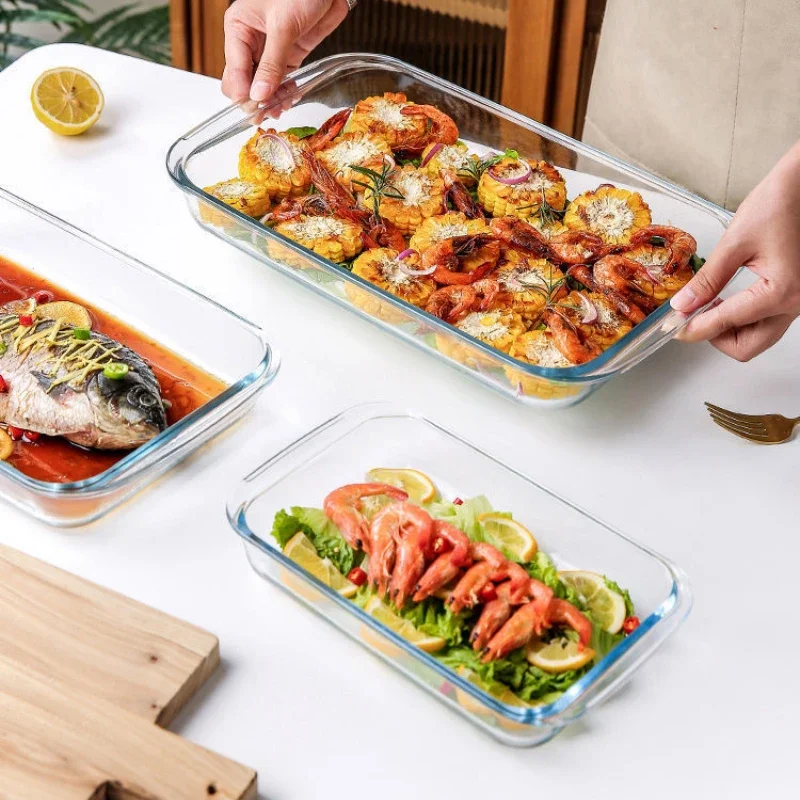
For a reliable option, consider the Bakeware Glass Platter for Oven Baking Tray Baking Tools and Accessories Kitchen Utensil Cooking Utensils Gadgets Dishes Pans. It’s versatile and built to last.
Bakeware Glass Platter for Oven Baking Tray Baking Tools and Accessories Kitchen Utensil Cooking Utensils Gadgets Dishes Pans
For a reliable everyday option, the Bakeware Glass Platter for Oven Baking Tray Baking Tools and Accessories Kitchen Utensil Cooking Utensils Gadgets Dishes Pans offers durability and even heating.
Frequently asked questions
Can I put a glass baking dish in the microwave?
Yes, most glass baking dishes are microwave-safe, but always check the manufacturer’s label to be sure.
Is it safe to use a glass baking dish under the broiler?
Only if the dish is specifically labeled broiler-safe. Otherwise, the intense heat can cause breakage.
How do I remove baked-on stains from a glass dish?
Soak with hot water and baking soda, then scrub gently with a non-abrasive sponge. For stubborn stains, use a paste of baking soda and water.
Can I use metal utensils on a glass baking dish?
It’s best to avoid metal utensils as they can scratch the glass. Use silicone, wood, or plastic instead.
