
Blog
The Ultimate Guide to Choosing a Wooden Pizza Board
Buying Guide
Find Your Perfect Wooden Pizza Board
A wooden pizza board is more than just a serving platter—it’s a centerpiece for your kitchen and dining table. Whether you’re a home cook or a pizza enthusiast, choosing the right board can elevate your pizza experience.
Why Choose a Wooden Pizza Board?
Wooden pizza boards bring warmth and natural beauty to your table. Unlike metal or stone, wood doesn’t conduct heat excessively, so your pizza stays warm without burning the crust. Plus, the porous surface absorbs a bit of moisture, keeping the base crisp. A wooden pizza board is also gentle on your knives, preventing dulling. It’s a versatile piece—use it for serving, as a cutting board, or even as a rustic cheese platter.
Key Factors to Consider When Buying a Wooden Pizza Board
Not all wooden pizza boards are created equal. Here are the essentials to look for:
- Size and Thickness: For a standard 12-inch pizza, a board around 14-16 inches in diameter is ideal. Thicker boards (¾ inch or more) are sturdier and less likely to warp.
- Wood Type: Hardwoods like maple, walnut, or acacia are durable and resistant to scratches. Bamboo is eco-friendly but can be harder on knives.
- Finish: Look for food-safe finishes like mineral oil or beeswax. Avoid boards with varnish or lacquer.
- Edge Design: A raised edge or juice groove can catch drips, while a flat board is easier to slide onto an oven stone.
How to Care for Your Wooden Pizza Board
Proper care extends the life of your board. Hand wash with mild soap and warm water—never soak or put in the dishwasher. Dry immediately upright to prevent warping. Monthly, apply a coat of food-grade mineral oil to maintain its luster. If the board develops stains or odors, rub with half a lemon and salt, then rinse. Avoid leaving it near heat sources or in direct sunlight.
Seasoning Your Board
New boards benefit from an initial oil treatment. Apply a generous amount of mineral oil, let it absorb for a few hours, then wipe off excess. Repeat after the first few uses to create a protective barrier.
Wooden Pizza Board vs. Stone vs. Metal: Which is Best?
Each material has pros and cons. Pizza stones retain heat for a crispy crust but are heavy and fragile. Metal pans conduct heat quickly and are easy to clean, but they can overcook the bottom. Wood offers a balance: it’s lightweight, durable, and naturally non-stick when seasoned. A wooden pizza board is also more forgiving if you accidentally drop it. For serving, wood wins on aesthetics—it’s simply more inviting.
Creative Ways to Use Your Wooden Pizza Board
Beyond pizza, a wooden pizza board shines as a serving platter for appetizers, bread, cheese, or charcuterie. Use it as a cutting board for vegetables or fruits. During parties, it becomes a stylish base for dips and crackers. Some even use it as a trivet for hot dishes. The natural grain adds a touch of elegance to any meal.
Common Mistakes to Avoid
Don’t buy a board that’s too small—your pizza should fit comfortably with room to cut. Avoid boards made from softwoods like pine, which dent easily and may impart resin flavors. Never use olive oil for seasoning; it can go rancid. And don’t store your board in a damp environment—mold can develop.
Top Features of a Quality Wooden Pizza Board
Look for edge-grain or end-grain construction, which is more durable than face-grain. A hand grip or cutout makes carrying easier. Some boards come with a built-in stone for baking, but a single piece of hardwood is simpler and more versatile. The best boards have a smooth, sanded finish without splinters.
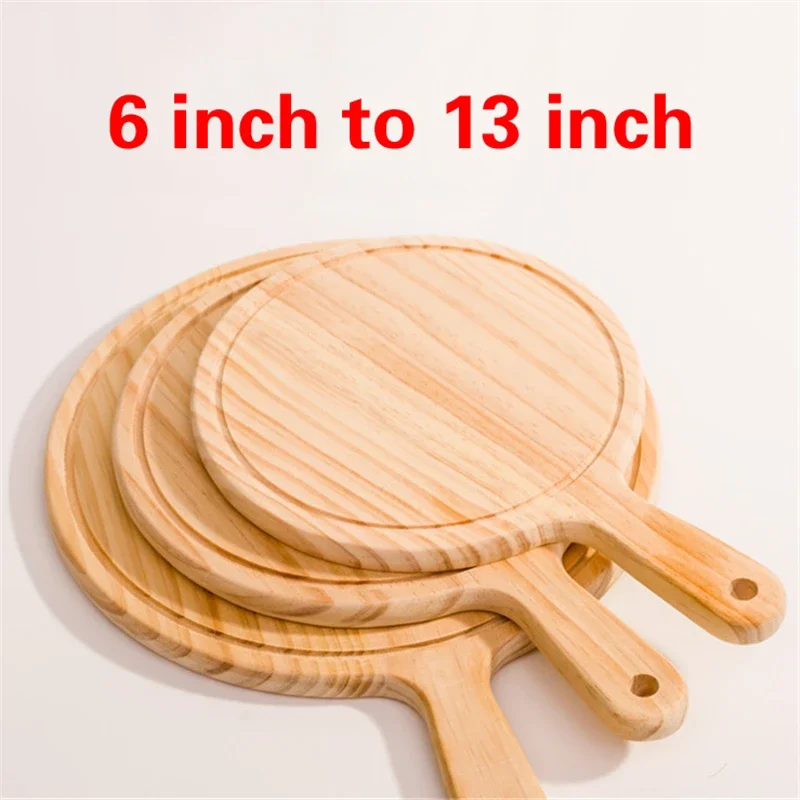
6 to 13inch Wooden Round Pizza board with Hand Pizza Baking Tray Stone Cutting Board Platter Pizza Stone Cake Bakeware
For a versatile option, consider the 6 to 13-inch Wooden Round Pizza Board with Hand Pizza Baking Tray Stone Cutting Board Platter Pizza Stone Cake Bakeware, which combines serving and baking functions.
Frequently asked questions
Can I put a hot pizza directly on a wooden pizza board?
Yes, but it’s best to let the pizza cool for a minute or two. Wood is a natural insulator, but extreme heat can cause cracking over time. Use a trivet if the pizza is straight from a 500°F oven.
How do I remove stains from my wooden pizza board?
Sprinkle coarse salt on the stain, then rub with half a lemon. Let it sit for 5 minutes, then rinse. For stubborn stains, use a paste of baking soda and water.
Is a wooden pizza board dishwasher safe?
No. Dishwasher heat and moisture can warp the wood and degrade the finish. Always hand wash and dry immediately.
What size wooden pizza board should I buy?
For a 12-inch pizza, choose a board at least 14 inches in diameter. If you often make larger pizzas, go for 16-18 inches. Thicker boards (1 inch or more) are more stable.