
Blog
The Best Bread Loaf Pan Guide: Find Your Perfect Match
Baking Essentials
Your Ultimate Bread Loaf Pan Buying Guide
Choosing the right bread loaf pan can make or break your homemade bread. Whether you’re a beginner or a seasoned baker, this guide will help you find the perfect pan for your kitchen.
Why Your Bread Loaf Pan Matters
The humble bread loaf pan is a cornerstone of any baker’s kitchen. It shapes your dough, conducts heat, and directly affects the crust and crumb of your bread. A good pan ensures even baking and easy release, while a poor one can lead to burnt edges or stuck loaves. Understanding the key features will help you choose a pan that lasts and performs.
Material Choices for Bread Loaf Pans
Aluminum
Aluminum pans heat quickly and evenly, producing a nice golden crust. They are lightweight and affordable, but can warp over time. Look for anodized aluminum for extra durability.
Ceramic
Ceramic pans retain heat well and provide even baking. They are non-reactive and often dishwasher-safe, but heavier and more fragile. Ceramic also gives a beautiful presentation, going straight from oven to table.
Silicone
Silicone pans are flexible and non-stick, making for easy release. However, they may not brown crusts as well and can be floppy when filled. They are great for no-knead or gluten-free breads.
Glass
Glass pans allow you to monitor browning but can cause over-browning on the bottom. They are microwave-safe but not ideal for high heat. Best for quick breads and casseroles.
Size & Shape: Finding the Right Fit
Standard bread loaf pans come in 8.5×4.5 inches and 9×5 inches. The smaller size yields taller loaves, while the larger gives a classic shape. Consider your recipe: most yeast bread recipes call for a 9×5 pan. Mini loaf pans are great for gifts or portion control, and specialty pans like Pullman pans create square slices for sandwiches.
Non-Stick vs. Traditional
Non-stick coatings make release a breeze and simplify cleanup. However, they can scratch and degrade over time. Traditional uncoated pans require greasing and flouring but can develop a natural patina with use. For beginners, non-stick is forgiving; for purists, traditional offers better crust development.
Caring for Your Bread Loaf Pan
To extend the life of your pan, avoid metal utensils on non-stick surfaces. Hand wash with mild soap and dry immediately. For stubborn residue, soak in warm water. Never use abrasive cleaners. Season uncoated pans by rubbing with oil and baking empty for an hour.
Top Tips for Perfect Loaves
- Preheat your pan in the oven for a crisp bottom crust.
- Grease the pan generously, even if non-stick, for insurance.
- Let bread cool in the pan for 10 minutes, then transfer to a wire rack.
- Use parchment paper for easy lift-out.
For more on bread baking science, check out this Wikipedia article.
Our Recommendation
After testing dozens of pans, we believe a high-quality ceramic or heavy-gauge aluminum pan offers the best balance of performance and durability. Ceramic provides even heat and a beautiful finish, while aluminum with a non-stick coating is practical for daily use.
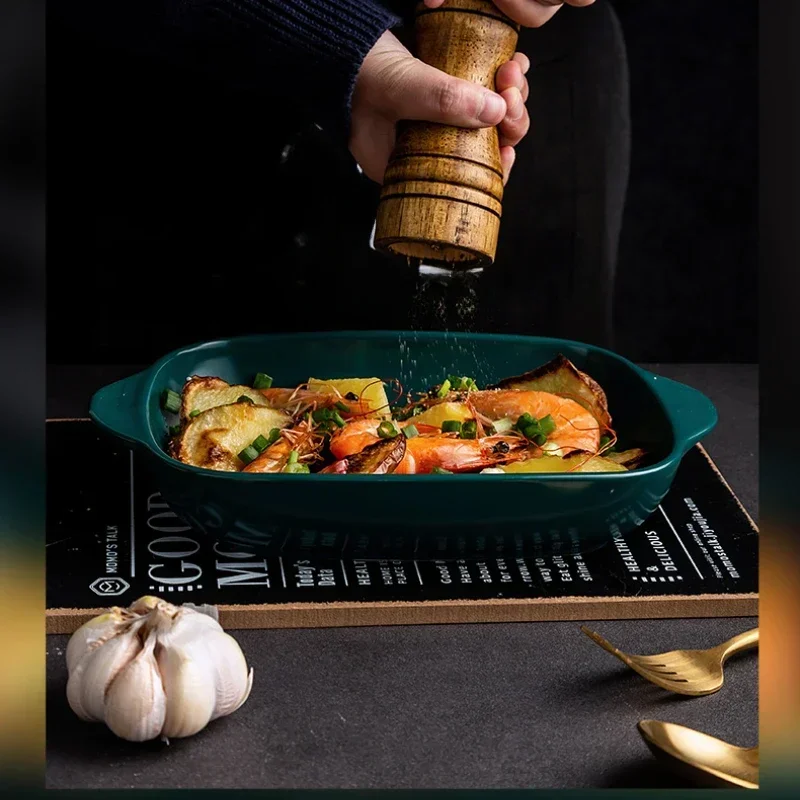
Bread Pan for Baking Tools and Accessories Oven Tray Kitchen Utensil Porcelain Dishes Cooking Utensils Bakeware Ceramic Pans Bar
For a reliable and versatile option, consider the Bread Pan for Baking Tools and Accessories Oven Tray Kitchen Utensil Porcelain Dishes Cooking Utensils Bakeware Ceramic Pans Bar, which offers even heat distribution and a beautiful finish.
Frequently asked questions
What size bread loaf pan should I use for standard recipes?
Most yeast bread recipes are designed for a 9×5-inch pan. If you use an 8.5×4.5-inch pan, the loaf will be taller and may take longer to bake. Always check your recipe’s recommended pan size.
Can I use a glass loaf pan for yeast bread?
Yes, but reduce the oven temperature by 25°F to prevent over-browning. Glass heats differently than metal, so watch your loaf closely.
How do I prevent my bread from sticking to the pan?
Grease the pan thoroughly with butter, oil, or non-stick spray. You can also line the pan with parchment paper, leaving overhang for easy lifting. For non-stick pans, occasional greasing still helps.
What is the best material for a bread loaf pan?
It depends on your needs. Ceramic offers even heat and aesthetic appeal, aluminum is lightweight and affordable, and silicone is great for easy release. Heavy-gauge metal pans are durable and produce good crusts.