
Blog
The Best Baking Tray for Perfect Results Every Time
Buying Guide
Find Your Best Baking Tray for Every Recipe
Looking for the best baking tray can feel overwhelming with so many options, but the right one transforms your baking from good to great. We’ve tested dozens to help you choose wisely.
Why the Best Baking Tray Matters
A quality baking tray is the foundation of consistent results. Whether you’re baking cookies, roasting vegetables, or proofing bread, the tray’s material and construction affect heat distribution, browning, and release. A flimsy pan can warp, leading to uneven baking and burnt edges. Investing in a sturdy, well-made tray saves frustration and ensures every batch turns out as intended.
Material Matters: Aluminum, Steel, or Silicone?
Each material has pros and cons. Aluminum heats quickly and evenly but can react with acidic foods. Stainless steel is durable and non-reactive but may not conduct heat as well. Silicone is flexible and non-stick but can produce softer bottoms. For versatility, a heavy-gauge aluminum tray with a non-stick coating (like our Rectangle Bread Cake Mold) offers the best of both worlds: even heat and easy release. For more on material science, check out this Wikipedia article on cookie sheets.
Size and Shape: Choosing the Right Fit
Standard half-sheet pans (18×13 inches) fit most ovens and recipes. But if you bake bread, a rectangular loaf pan is essential. Consider your oven’s interior dimensions and the types of baking you do most. A rimmed baking sheet contains juices, while a flat cookie sheet allows air circulation. Having a range of sizes gives you flexibility—small trays for toaster ovens, large ones for batch baking.
Non-Stick vs. Uncoated: Which Is Better?
Non-stick coatings make cleanup a breeze and are ideal for delicate items like cookies and pastries. However, they can scratch and wear over time. Uncoated trays develop a natural patina and are great for high-heat roasting. For most home bakers, a quality non-stick tray (like our Rectangle Bread Cake Mold) is a reliable workhorse. Just use silicone or wooden utensils to preserve the coating.
Key Features to Look For
- Gauge (Thickness): Thicker pans (18-gauge or higher) resist warping and distribute heat evenly.
- Rim Height: A 1-inch rim is versatile for roasting and baking; flat trays are best for cookies.
- Handles: Wide, cool-touch handles make gripping safe and easy.
- Oven Safety: Ensure the tray can withstand temperatures up to 450°F for most recipes.
How to Care for Your Baking Tray
To extend the life of your best baking tray, avoid using metal utensils on non-stick surfaces. Hand wash with mild soap and a soft sponge; dishwashers can degrade coatings. For stubborn residue, soak in warm water and baking soda. Store trays flat or with a protective layer to prevent scratches.
Top Brands and Budget Considerations
You don’t need to spend a fortune. Mid-range brands like Goldoma, Nordic Ware, and USA Pan offer excellent value. Look for reinforced rims and even coating. A good tray costs $15–$30 and lasts years if cared for. Avoid ultra-cheap pans that warp and peel.
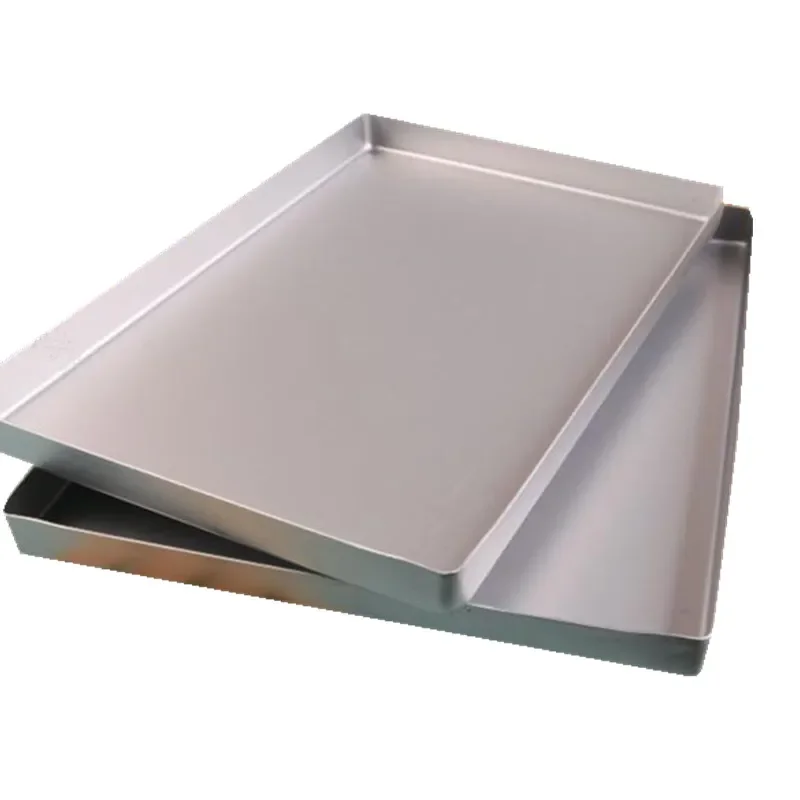
Rectangle Bread Cake Mold Non-stick Baking Tray Oven Rectangular Pastry Kitchen Cookie Baking Bakeware Tray bakery tools
For a reliable, non-stick option that excels at breads and pastries, our Rectangle Bread Cake Mold offers even heating and effortless release.
Frequently asked questions
What size baking tray is most versatile?
A half-sheet pan (18×13 inches) fits most ovens and handles everything from cookies to sheet pan dinners.
Can I use a baking tray for bread?
Yes, but a rectangular loaf pan (like our Rectangle Bread Cake Mold) is best for sandwich loaves and pound cakes.
How do I prevent cookies from burning on the bottom?
Use a light-colored tray with a non-stick coating and line with parchment paper. Avoid dark pans that absorb more heat.
Is it safe to use metal utensils on non-stick trays?
No, metal can scratch the coating. Use silicone, wood, or plastic utensils to preserve the non-stick surface.
