
Blog
The Ultimate Guide to Non Stick Bakeware for Perfect Baking
Baking Essentials
Essential Non Stick Bakeware for Every Baker
Non stick bakeware transforms your baking experience by ensuring effortless release and easy cleanup. Whether you’re a novice or a pro, choosing the right non stick bakeware can make all the difference.
What Makes Non Stick Bakeware So Popular?
Non stick bakeware has become a staple in kitchens because it simplifies baking. With a special coating, these pans prevent food from sticking, reducing the need for excessive greasing. This means your cakes, muffins, and breads come out intact every time. Plus, cleaning is a breeze—just a quick wipe or gentle wash.
Another advantage is even heat distribution. Many non stick pans are made from materials like aluminum or carbon steel, which conduct heat uniformly, preventing hot spots that can burn your baked goods. This reliability is why both home bakers and professionals often turn to non stick bakeware for consistent results.
Key Features to Look for in Non Stick Bakeware
When shopping for non stick bakeware, consider the coating quality. Look for PTFE-free or ceramic coatings that are durable and scratch-resistant. The base material matters too—heavy-gauge aluminum or steel offers better heat retention and stability.
- Coating: Opt for multi-layer non stick coatings for longevity.
- Construction: Reinforced rims and even thickness prevent warping.
- Handle Design: Ergonomic, stay-cool handles improve safety and comfort.
- Versatility: Some pans are oven-safe up to high temperatures and dishwasher-friendly.
Remember, proper care extends the life of your non stick bakeware. Avoid metal utensils and abrasive cleaners; instead, use silicone, wood, or nylon tools. Hand washing with mild soap is recommended, though some pans are dishwasher safe.
Different Types of Non Stick Bakeware
The variety of non stick bakeware can be overwhelming. Here are common types and their uses:
- Baking Sheets: Ideal for cookies, roasting vegetables, and even reheating leftovers.
- Loaf Pans: Perfect for breads, meatloaf, and pound cakes.
- Muffin Tins: For cupcakes, muffins, and egg bites.
- Cake Pans: Round, square, or bundt—each for different cake styles.
- Specialty Molds: Heart-shaped, fluted, or novelty designs for themed treats.
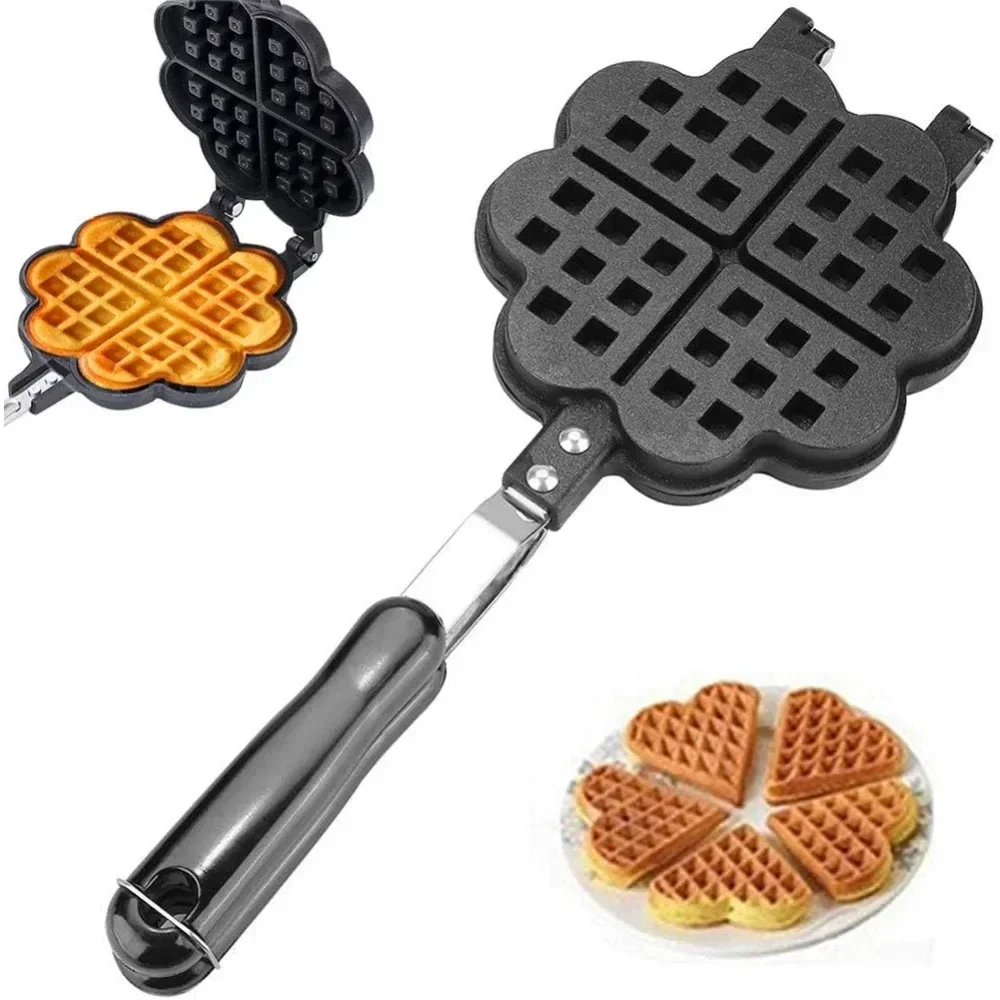
If you love creative baking, a heart-shaped mold can add a personal touch to your breakfast or dessert. For instance, our Heart Shaped Waffle Cake Mold Pot Non Stick Double Side Biscuits Muffin Mould Pot Bakeware is perfect for easy breakfast cooking—just one of many options to explore.
How to Care for Your Non Stick Bakeware
To keep your non stick bakeware in top shape, follow these care tips:
- Always grease the pan lightly before first use, even if it claims to be non stick.
- Avoid high heat—most non stick coatings are safe up to 450°F (230°C).
- Use only non-metal utensils to prevent scratching.
- Cool the pan before washing to avoid warping.
- Store with protective layers between pans to prevent scuffs.
With proper care, quality non stick bakeware can last for years, making your baking easier and more enjoyable.
Comparing Non Stick Bakeware Materials
Non stick bakeware comes in various materials, each with pros and cons:
Aluminum
Lightweight and excellent heat conductor. Often coated with non stick layers. Can warp if thin.
Carbon Steel
Heavier and more durable. Retains heat well, great for even browning. Requires seasoning like cast iron.
Silicone
Flexible, non stick by nature. Easy to release baked goods, but may not brown as well. Oven-safe to moderate temperatures.
Ceramic-Coated
PTFE-free, often considered more eco-friendly. Provides good non stick performance but may be less durable than traditional coatings.
Choosing the right material depends on your baking habits and preferences. For most bakers, a well-made aluminum pan with a quality non stick coating offers the best balance of performance and affordability.
Tips for Perfect Baking with Non Stick Bakeware
Even with non stick bakeware, a few techniques can improve your results:
- Preheat the oven with the pan inside to ensure even heat distribution.
- Let baked goods cool slightly in the pan before removing—this helps them set.
- Use parchment paper for extra sticky recipes like brownies or sticky buns.
- Avoid overmixing batters, which can affect texture and sticking.
- Rotate pans halfway through baking for even browning.
Remember, non stick bakeware is a tool to enhance your baking, not a magic solution. With practice, you’ll achieve consistent, beautiful results.
When to Replace Your Non Stick Bakeware
Over time, non stick coatings can wear out. Signs it’s time for a replacement:
- Food starts sticking despite greasing.
- The coating is peeling or flaking.
- Visible scratches or discoloration.
- Warping that causes uneven baking.
Investing in new non stick bakeware ensures your baking remains stress-free. Look for pans with reinforced coatings and solid construction for longevity.
In summary, non stick bakeware is a valuable addition to any kitchen, offering convenience and reliability. By understanding what to look for and how to care for it, you can enjoy effortless baking for years to come.
Heart Shaped Waffle Cake Mold Pot Non Stick Double Side Biscuits Muffin Mould Pot Bakeware Easy Breakfast Cooking for Household
For a fun twist, consider the Heart Shaped Waffle Cake Mold Pot Non Stick Double Side Biscuits Muffin Mould Pot Bakeware—it’s a charming addition to any kitchen and makes breakfast easy and delightful.
Frequently asked questions
Is non stick bakeware safe to use?
Yes, when used correctly. Modern non stick coatings are typically PTFE- and PFOA-free, making them safe for cooking at recommended temperatures (usually below 500°F). Avoid overheating empty pans and use non-metal utensils to prevent scratching.
Can I use metal utensils on non stick bakeware?
It’s best to avoid metal utensils as they can scratch the non stick coating. Opt for silicone, wood, or nylon tools to preserve the surface.
How do I clean non stick bakeware?
Hand wash with mild soap and a soft sponge. Avoid abrasive cleaners or steel wool. Some pans are dishwasher safe, but hand washing extends their life.
Why does my non stick pan still stick?
This can happen if the coating is worn, if you’re using too high heat, or if the pan isn’t greased for certain recipes. Also, ensure you’re not overmixing batters, which can cause sticking.