
Blog
The Ultimate Carbon Steel Baking Tray Guide
Buying Guide
Master Baking with a Carbon Steel Baking Tray
A carbon steel baking tray is the unsung hero of the kitchen, offering superior heat conduction and durability. Whether you’re roasting vegetables or baking pizzas, this guide will help you choose the perfect one.
Why Choose a Carbon Steel Baking Tray?
Carbon steel baking trays are prized for their ability to heat evenly and withstand high temperatures. Unlike aluminum, they don’t warp, and unlike glass, they don’t shatter. The material is lighter than cast iron but offers similar heat retention, making it ideal for everything from cookies to sheet pan dinners.
One key advantage is that a carbon steel baking tray develops a natural non-stick patina over time, similar to cast iron. This seasoning process enhances its performance and makes cleanup easier. Plus, it’s incredibly durable—with proper care, it can last a lifetime.
How to Choose the Right Size
Consider your oven dimensions and typical baking needs. Common sizes include quarter sheet (9×13 inches) and half sheet (18×13 inches). For pizza lovers, round trays from 5 to 9 inches are perfect for personal pies or appetizers. A carbon steel baking tray in a size that fits your recipes ensures even baking and efficient use of oven space.
If you often bake for a crowd, opt for larger trays. For small batches or side dishes, smaller trays work well. Always measure your oven to ensure the tray fits comfortably with room for air circulation.
Seasoning Your Carbon Steel Tray
Seasoning creates a protective layer that prevents rust and improves non-stick properties. Start by washing the tray with warm soapy water and drying it thoroughly. Apply a thin layer of high-smoke-point oil (like flaxseed or canola) all over the surface. Place it upside down in a 450°F (232°C) oven for one hour, with a baking sheet on the rack below to catch drips. Repeat this process 2-3 times for best results.
After each use, avoid soap; instead, scrub with salt and a brush, then rinse and dry. Reapply a light coat of oil before storing. Over time, the tray will darken and become more non-stick.
Cleaning and Maintenance Tips
Never soak a carbon steel baking tray or put it in the dishwasher. For stuck-on food, boil water in the tray to loosen debris, then scrub with a non-abrasive pad. Dry immediately to prevent rust. If rust appears, scrub with steel wool, rinse, and re-season.
Store your tray in a dry place. If stacking with other pans, place a paper towel between them to protect the seasoning. With proper care, your carbon steel baking tray will improve with age.
Versatility in the Kitchen
A carbon steel baking tray isn’t just for baking. Use it for roasting vegetables, searing meats, or even as a serving platter. Its high heat tolerance makes it suitable for broiling and grilling. The even heat distribution ensures consistent results, whether you’re making scones or salmon.
For pizza enthusiasts, the material’s ability to get crispy crusts is unmatched. Preheat the tray in the oven, then slide your pizza onto it for a restaurant-quality base. Learn more about carbon steel and its culinary applications.
What to Look for in Quality
Check for a sturdy gauge—thicker trays resist warping. Look for rolled edges that add strength and prevent sharp corners. A smooth surface without coatings is ideal for seasoning. Some trays come pre-seasoned, but you can always enhance the patina at home.
Reinforced corners and a lip around the edge help contain spills. Avoid trays with non-stick coatings, as they can degrade over time and may not withstand high heat. Pure carbon steel is the most versatile and long-lasting option.
Common Mistakes to Avoid
Don’t use metal utensils on your seasoned tray, as they can scratch the patina. Avoid acidic foods like tomatoes for the first few uses, as they can strip the seasoning. Never place a hot tray under cold water—thermal shock can cause warping.
Also, don’t skip preheating. A cold tray in a hot oven can lead to uneven cooking. Always let your tray come to room temperature before placing it in the oven.
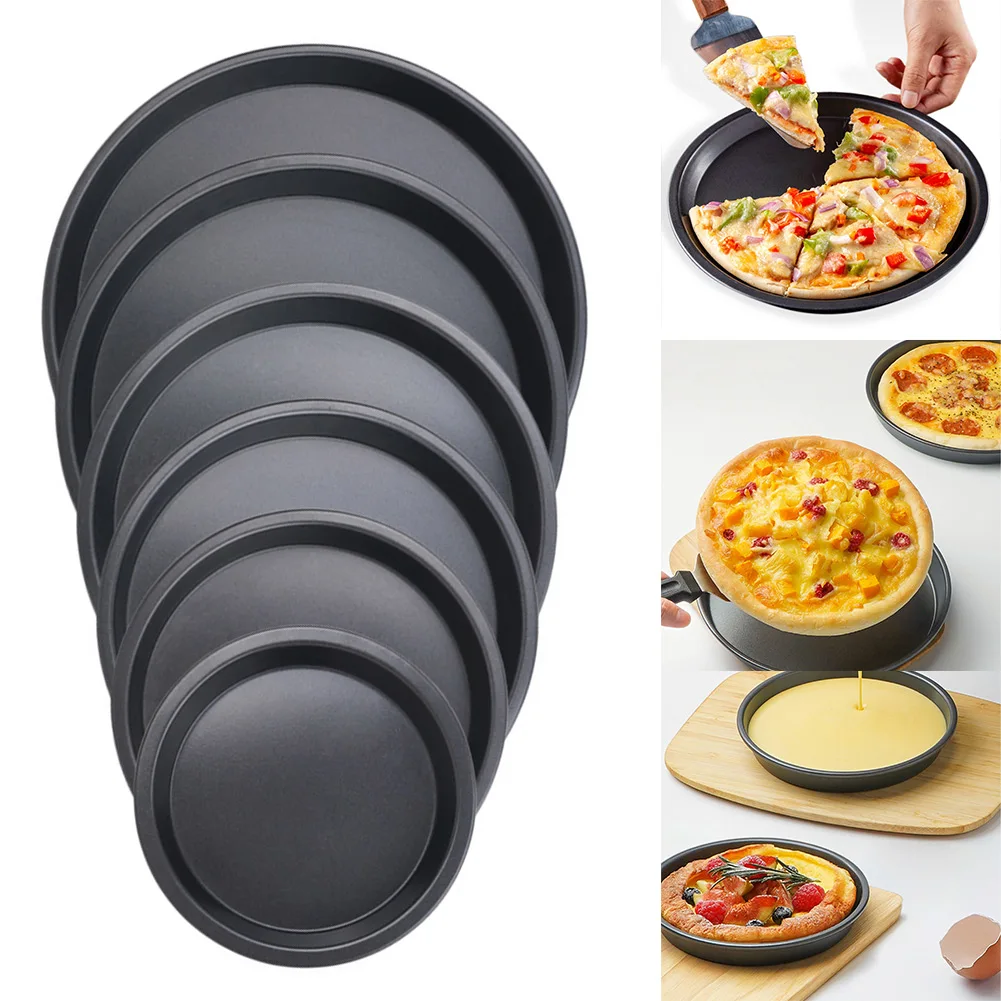
5/6/7/9 Inch Non-Stick Pizza Trays Round Pizza Pan Plate Mold Carbon Steel Baking Oven Tool Baking Mould Tray Bakeware
For a versatile starter set, consider the 5/6/7/9 Inch Non-Stick Pizza Trays—these carbon steel rounds are perfect for personal pizzas and more.
Frequently asked questions
Can I use a carbon steel baking tray on a glass stovetop?
Yes, but be careful not to slide it, as it can scratch the glass. Carbon steel is generally safe for all cooktops, including induction.
Is it safe to put a carbon steel baking tray in the dishwasher?
No, dishwashers can strip the seasoning and cause rust. Always hand wash and dry immediately.
How do I remove rust from a carbon steel tray?
Scrub rust with steel wool or a scouring pad, rinse, dry thoroughly, and re-season the tray.
Can I use parchment paper on a carbon steel baking tray?
Yes, parchment paper is fine and can make cleanup easier, especially for sticky foods. It won’t interfere with seasoning.
